Start with the most common questions about Cold Urticaria
Points to check first
Cold Urticaria: Symptoms and when to seek prompt medical evaluation
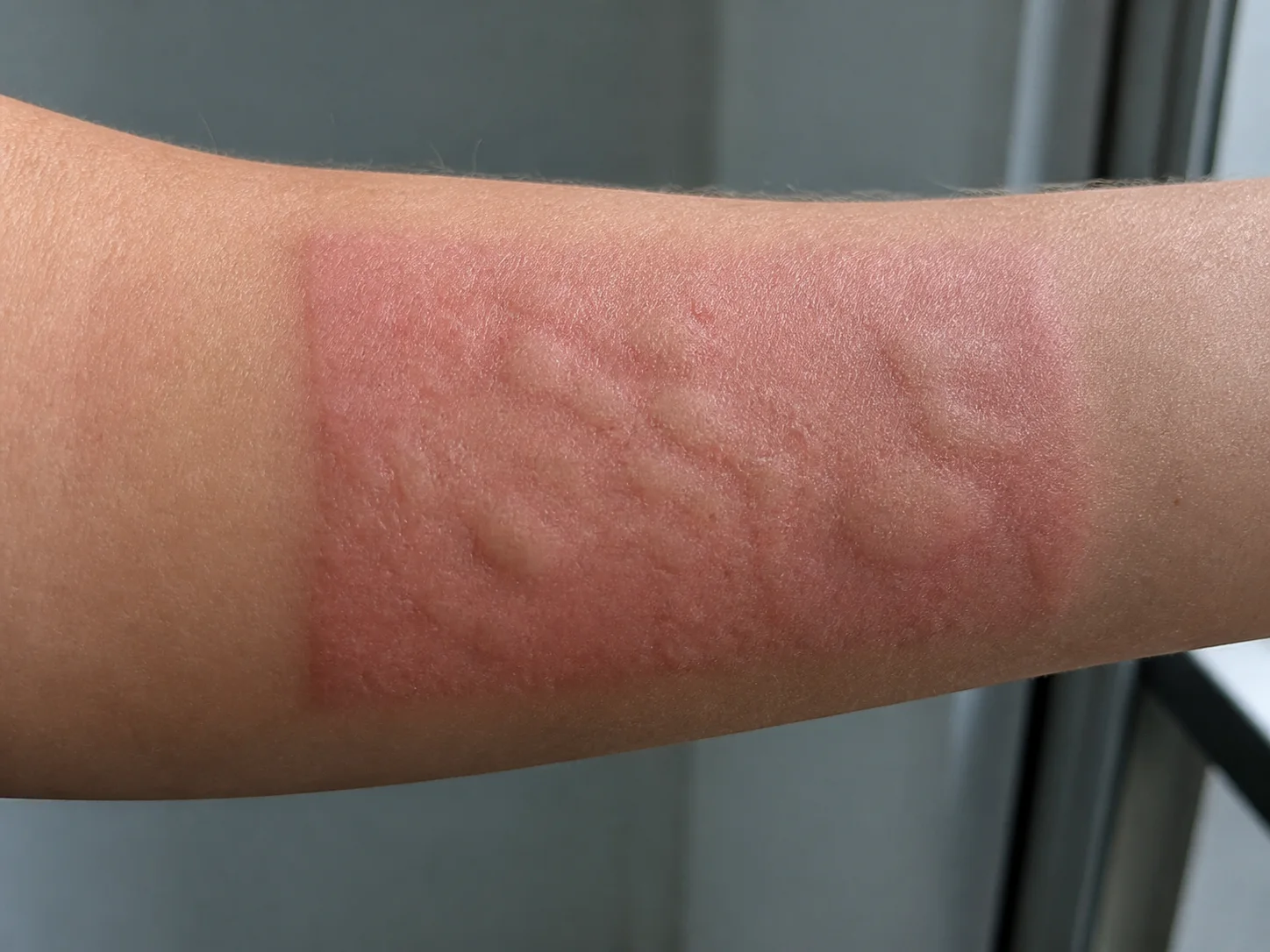
Cold urticaria causes itchy, red, or dark-colored wheals (hives), tingling, burning sensations, and deep swelling after exposure to cold air, cold water, or cold objects. Holding a cold object can cause fingers to swell, and cold drinks can cause swelling of the lips, tongue, and throat Angioedemawhich may occur. Extensive cold exposure, especially after swimming in cold water, can lead to generalized wheals, difficulty breathing, wheezing, abdominal symptoms, palpitations, low blood pressure, dizziness, or fainting. Wheals may become more pronounced when the skin warms up after the cold stimulus has ended.
Range of Symptoms
Localized wheals/angioedema are evaluated differently from systemic reactions
Changes in the airway, blood pressure, and consciousness are checked before skin symptoms.
| Symptom Scenario | Possible Interpretation | Next action |
|---|---|---|
| Itchy wheals where a cold object touched the skin | Localized cold urticaria | Photos, exposure, and recovery records |
| Deep swelling of the hands, eyelids, or lips | Angioedema | Check extent and swallowing/breathing |
| Swelling of tongue and throat after cold drinks | Possible airway mucosal reaction | Immediate emergency evaluation |
| Generalized wheals and wheezing after swimming in cold water | Risk of anaphylaxis | Respond according to emergency adrenaline plan |
| Dizziness, fainting, and rapid throbbing | Hypotension and systemic reaction | Immediate emergency assistance |
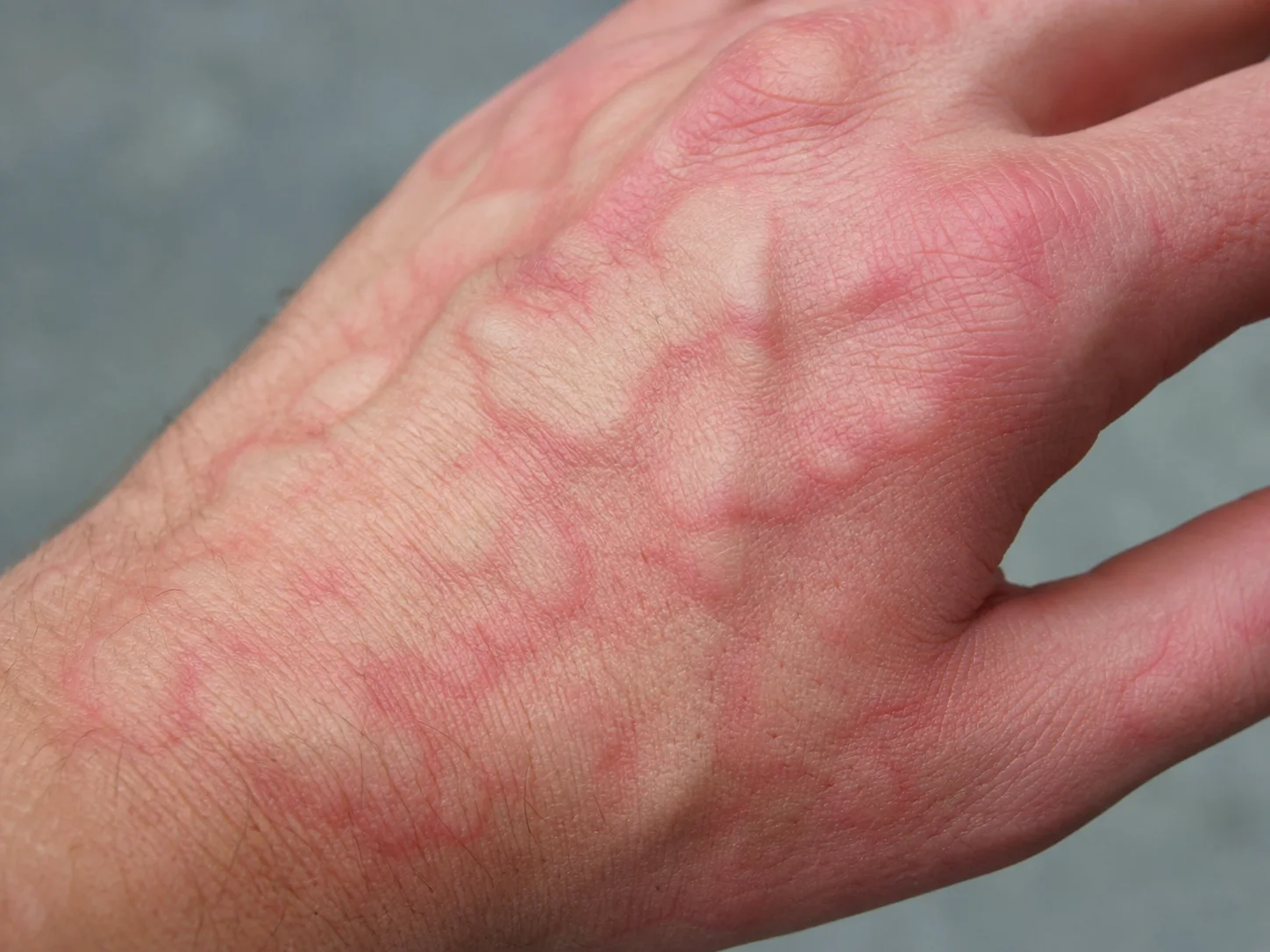
Do not look only at the redness of the hand; record how many minutes after touching cold water the symptoms started and how long they lasted after warming up.
Actual clinical photos and educational close-up examples are materials for comparing possible patterns and cannot be used for diagnosis alone. Mechanism diagrams have simplified complex processes.If these discomforts have recurred
For those concerned about skin and hand swelling and shortness of breath after cold water or cold wind
Cold urticaria occurs after cold stimuli, especially when warming up again, whealsand edema may occur. We first assess the risks of systemic cold water exposure, and then perform pattern identification based on usual sensitivity to cold, digestion, energy levels, and temperature adaptation.
For those whose arms and legs itch and swell during the winter commute or in air-conditioned indoors
When wheals and swelling of the hands and feet recur after washing the face with cold water or going outdoors in winter
Those who find detailed tasks difficult due to hand swelling after working with cold water, ice, or in refrigerated environments
Avoiding the cold antihistamineswhen daily limitations remain significant even when using them
Those who have experienced systemic wheals, dizziness, or breathing discomfort after swimming or taking a cold shower
When reactions last a long time along with coldness in the hands and feet, poor digestion, and fatigue
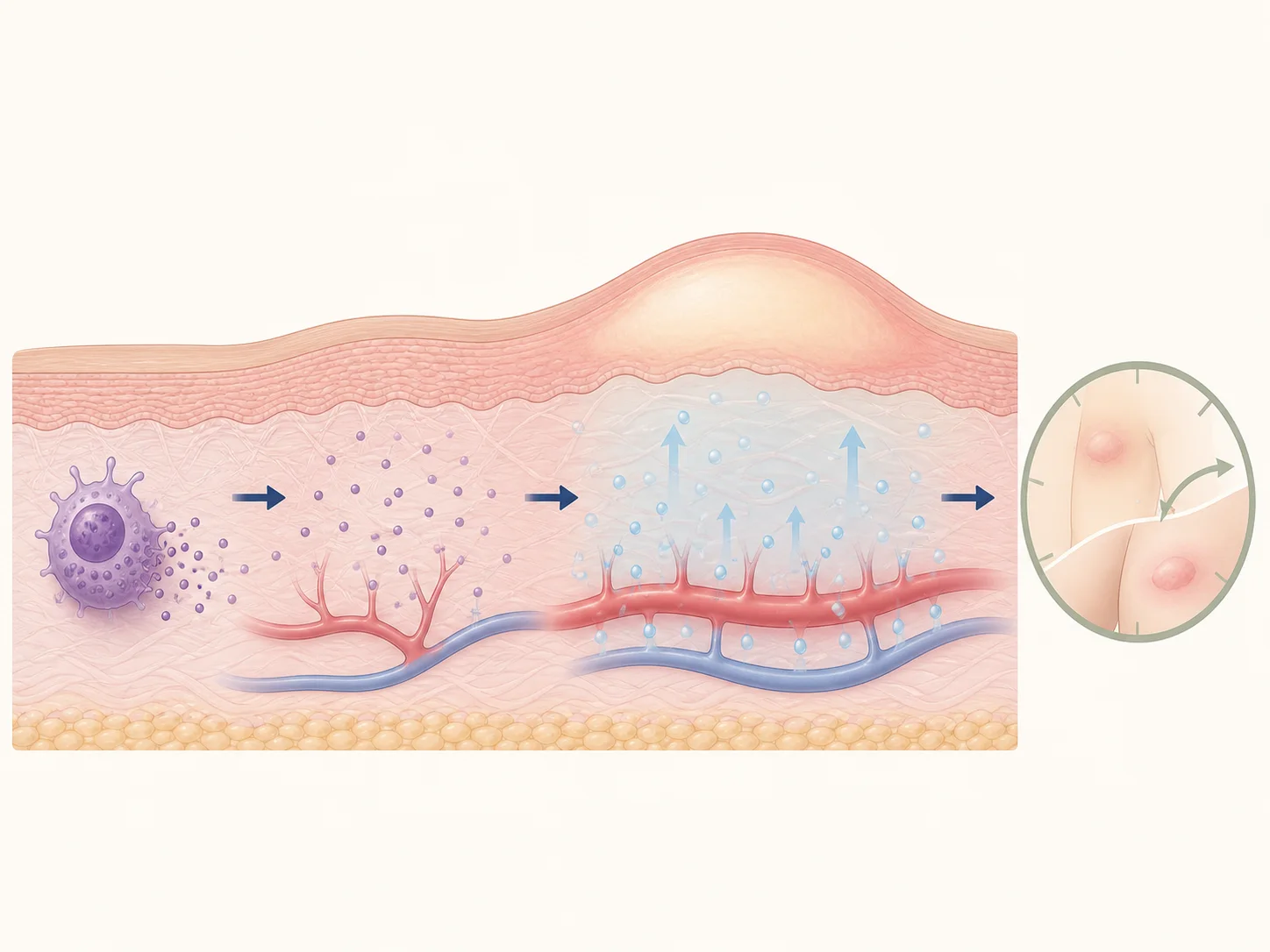
This is a simplified flow showing how temporary edema occurs around blood vessels after the release of mediators, causing wheals to rise. This does not mean all hives have the same triggering cause.
Conceptual reference · AAD Hives: CausesPoints to distinguish first
How to distinguish cold urticaria from similar-looking skin conditions
First, check if you have ever experienced shortness of breath, dizziness, or mental confusion
Check whether you have been swimming in cold water and look for airway edema, wheezing, dizziness, fainting, or abdominal symptoms to avoid delaying emergency measures.
Check the area of cold exposure along with the extent of wheals and swelling
Examine photos of the skin after exposure to cold objects, air, or water, changes that occur when warming up, and the function of the hands and lips.
Examine the skin reaction after contact with cold air or water, as well as the activities you have started to avoid
While continuing antihistamines and an emergency plan, Korean herbal medicine treatment is used concurrently with the goal of improving hives after winter outings or refrigerated work, as well as sleep and concentration functions.
Why does it keep getting worse?
Reasons why cold urticaria persists or recurs
Keep a record of the reaction temperature and range
Observe whether you react to cold air, water, or objects, and within how many minutes the reaction occurs.
Distinguish from urticaria prescriptions that lower heat
Check for usual coldness in the hands and feet, digestive coldness, and delayed recovery.
The goal is to expand the range of safe daily activities
Observe if reactions decrease during seasonal changes, face washing, or outings, without performing excessive self-cold tests.
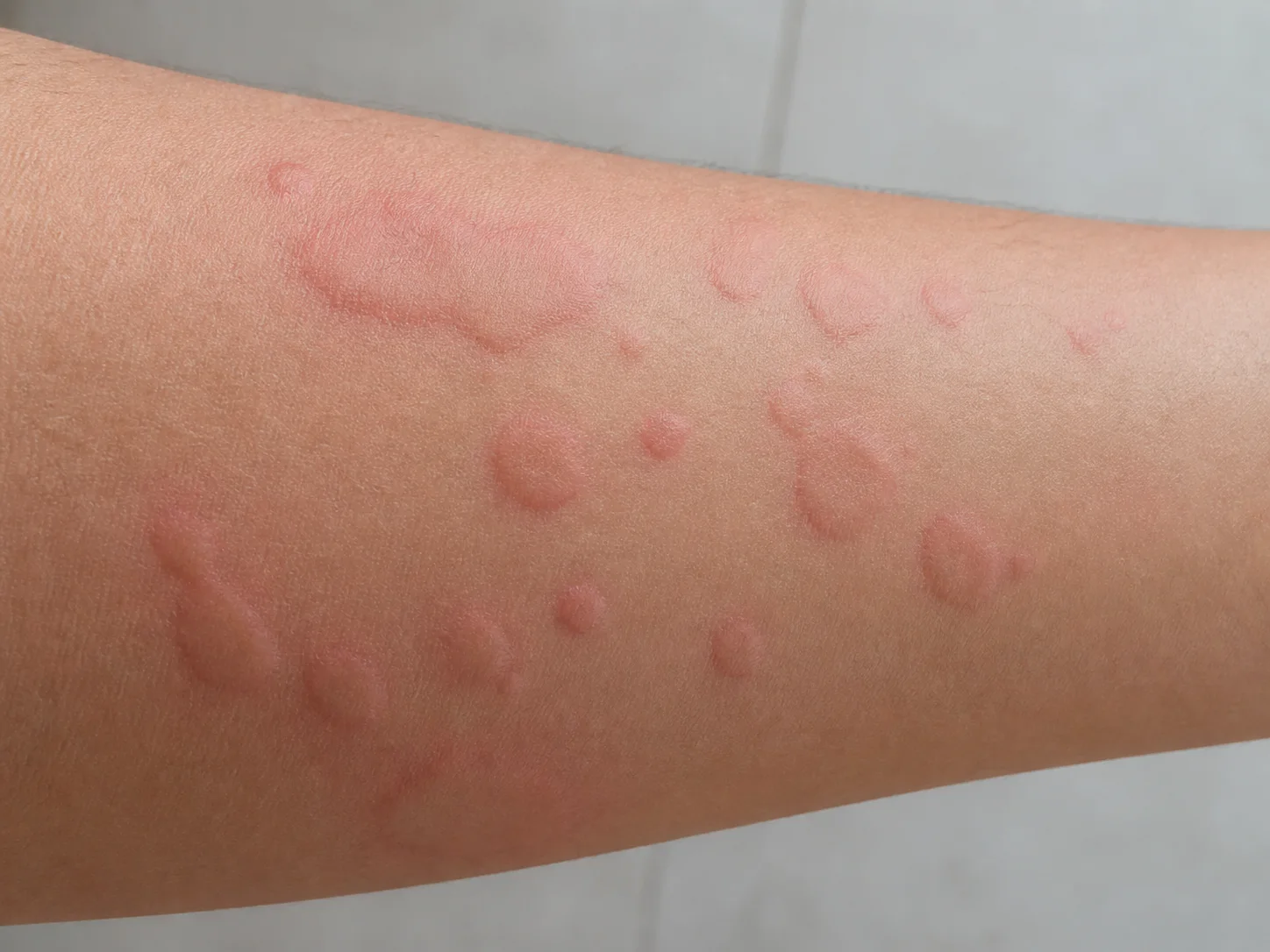
The key clue is whether the surface has almost no scaling and whether the wheals rise smoothly and then shift location. Please record whether the same lesion remains after several hours, along with the time the photo was taken.
Things to prepare before your visit
What photos and records should I prepare before the medical evaluation?
Please prepare for your consultation with photos before and after cold exposure, the onset and recovery of wheals and swelling, symptoms involving the lips, throat, breathing, abdomen, or dizziness, and your reaction to antihistamines (such as drowsiness) and limitations in work or swimming.
Wheals rise in the areas exposed to cold stimuli
Itchy, red, or skin changes that are darker than the skin tone may occur locally or spread depending on the extent of exposure.
Reactions may become more distinct as the skin warms up
Wheals and itching may become more apparent after coming indoors or warming the hands rather than immediately after exposure, so please record the recovery process.
Angioedema is deeper and interferes with function
Deep swelling of the hands, eyelids, or lips can make it difficult to use fingers, speak, or eat, and swelling of the tongue or throat can pose a risk to the airway.
Changes to monitor during treatment
What changes should I monitor during treatment?
Type of exposure, temperature, range, and start time
Please record when it started and how it has changed, including the dates. To make it easier to compare before and after, take photos of the same area from a similar distance and under similar lighting.
Changes in wheals and edema after warming up again
Please leave a brief note. Compare not only the visible changes but also whether your sleep, pain, and daily life have become less uncomfortable.
Dizziness, breathing, lip swelling, cold sensations, and digestion
Please also include the dates of any medications, ointments, or procedures you are currently using. This makes it easier to compare what led to improvement or worsening.
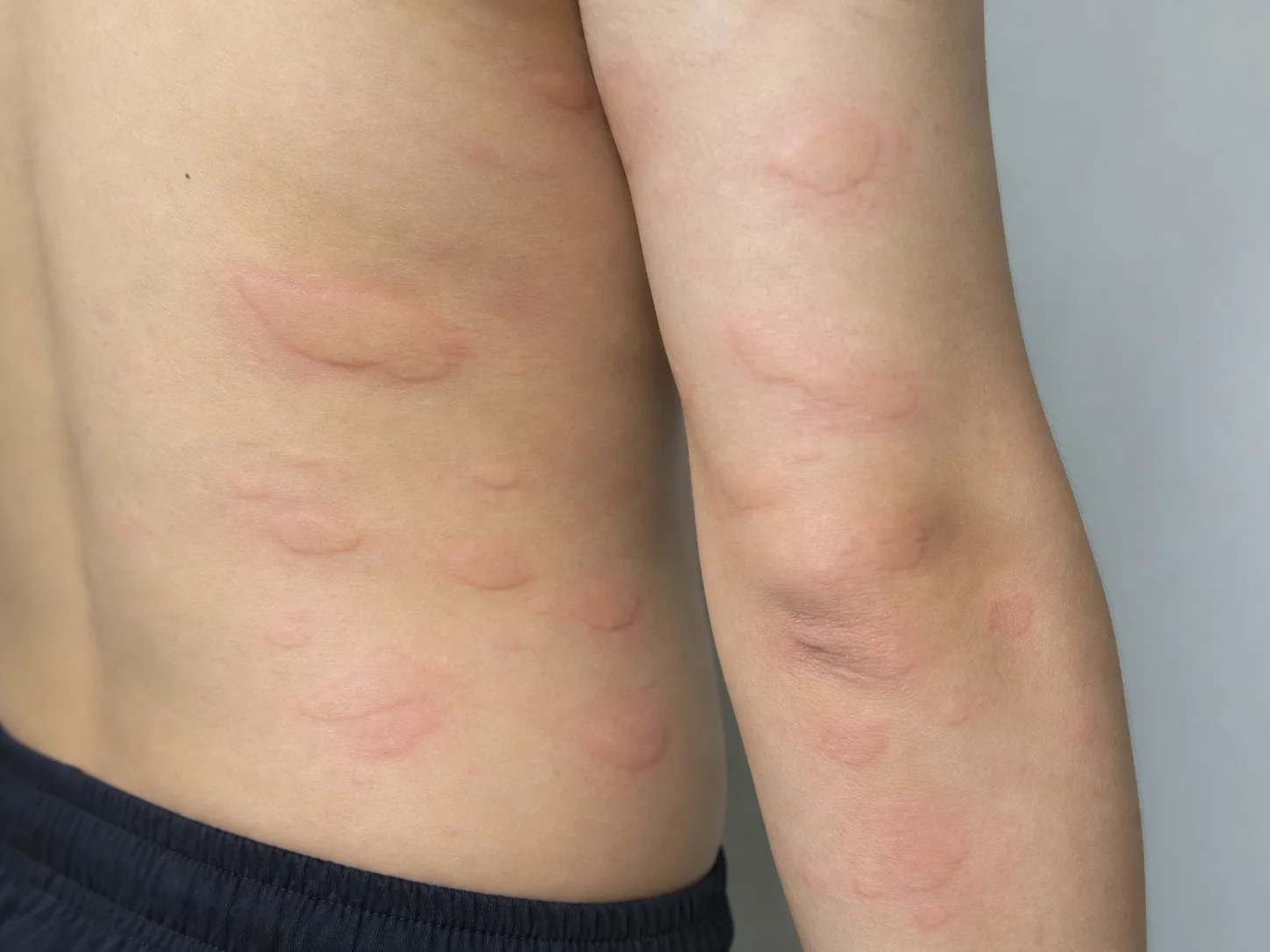
This reproduces one possible distribution of wheals seen in hives. Please check the duration of a single lesion and any respiratory or mucosal symptoms before reviewing the photos.
When planning herbal medicine treatment
For cold urticaria, the direction of Korean herbal medicine treatment is determined based on your current symptoms
While all cases share the commonality of occurring after cold stimulation, we examine whether only the hands and feet react, whether systemic cold sensations and poor digestion are prominent, whether sweating and body temperature regulation are unstable during temperature changes, or whether the reaction lasts long after fatigue.
Pattern identification (Byeon-jeung) in Korean medicine is not about giving a different name to a disease. Multiple patterns can overlap in one person, and as the skin changes, for example, as oozing and heat decrease and dryness or cracking remain, the prescription is adjusted accordingly.
When swelling begins from the area touched by cold wind
- Primary skin observations
- We examine the exposure boundary, wheals, edema, and itching that occurs when warming up.
- Overall body condition to check alongside skin
- We ask if you are generally fine but react immediately to winter winds or air conditioning.
- Primary considerations for herbal medicine prescription
- The focus is on dispersing wind and eliminating cold to reduce hypersensitivity to cold stimulation on the skin surface and help the body adapt to temperature.
When the hands, feet, and abdomen are always cold and energy is weak
- Primary skin observations
- We examine edema in the hands and feet, pale wheals, and whether the reaction lasts a long time.
- Overall body condition to check alongside skin
- We check for sensitivity to cold, loose stools, abdominal cold sensations, and morning lethargy.
- Primary considerations for herbal medicine prescription
- We avoid excessive heat-clearing and instead reinforce Yang energy, digestion, and body temperature recovery.
When symptoms worsen when transitioning from cold to warm
- Primary skin observations
- We examine wheals, sweating, and changes in skin color at the point of re-warming.
- Overall body condition to check alongside skin
- We ask if you experience spontaneous sweating, chills, and discomfort in adapting to both heat and cold.
- Primary considerations for herbal medicine prescription
- The focus is on balancing surface circulation, sweating, and body temperature regulation.
When reactions are prolonged after fatigue or illness
- Primary skin observations
- We check if swelling and itching persist for a long time, even if the affected area is small.
- Overall body condition to check alongside skin
- We check for worsening conditions following lack of sleep, loss of appetite, or recovery from other illnesses.
- Primary considerations for herbal medicine prescription
- We simultaneously reinforce the regulation of immune hypersensitivity and the recovery of Qi and Blood.
How is the herbal medicine prescription adjusted?
- First, check for dangerous systemic reactions
If dizziness, respiratory issues, or mucosal edema occur after whole-body exposure to cold water, immediate medical evaluation for those symptoms takes priority.
- How to distinguish between local hypersensitivity and systemic cold sensitivity
We evaluate not only the exposure temperature but also digestion, energy levels, and temperature adaptation.
- Observe changes during safe daily exposure
Without performing strong self-induced cold tests, check if the affected area and recovery time decrease after going outdoors or washing your face.
When should I consider Korean herbal medicine treatment?
- When wheals and swelling of the hands and feet recur after washing your face with cold water or going outdoors in winter
- When daily life is significantly restricted despite avoiding the cold and using antihistamines
- When reactions last a long time along with coldness in the hands and feet, poor digestion, and fatigue
What will be asked during the medical evaluation?
- Type, temperature, and area of exposure, and the start time
- Changes in wheals and edema after warming up again
- Dizziness, respiratory issues, lip edema, cold sensitivity, and digestion
Things to prepare before the consultationPlease prepare photos before and after cold exposure, the onset and recovery of wheals and edema, symptoms involving the lips, throat, breathing, abdomen, or dizziness, and your reaction to antihistamines (such as drowsiness) or restrictions on work and swimming for your consultation.
If pus, pain, or redness spreads rapidly, or if you have a fever, lesions inside the eyes or mouth, shortness of breath, or sudden facial swelling, please visit a dermatology clinic or seek emergency care first. After confirming that such urgent situations are not present, Baekrokdam provides herbal medicine treatment for chronic and recurring skin diseases.
Consult about the progress of cold urticariaFrequently Asked Questions
Frequently Asked Questions about Cold Urticaria
When do cold urticaria wheals appear?
Itchy, raised wheals may become distinct immediately after cold stimulation or when the skin warms up again.
Can cold drinks also cause symptoms?
They can cause angioedema in the lips, tongue, or throat. Throat swelling, hoarseness, difficulty swallowing, or difficulty breathing require immediate emergency evaluation.
Which systemic symptoms are dangerous?
Difficulty breathing, wheezing, abdominal pain, vomiting, rapid heart rate, dizziness, fainting, and generalized wheals are symptoms that suggest anaphylaxis.
How should I record my symptoms?
Please record the scene and area of exposure, photos of the skin, the sequence of onset and recovery, symptoms affecting the throat, breathing, abdomen, or dizziness, reactions to medication, and drowsiness.
What is the exact cause of cold urticaria?
While the mechanism by which mast cells release histamine after cold stimulation is known, it is mostly unknown why this occurs in specific individuals.
Why is swimming in cold water particularly dangerous?
This is because large areas of the skin and the entire body cool down rapidly, which can lead to systemic reactions affecting breathing, blood pressure, and consciousness, beyond localized wheals.
Can an infection be the cause?
In rare cases, it may be associated with infections or blood disorders. Medical staff will determine the necessary tests when there are clues such as fever, joint pain, or general weakness.
References and update date
Doctor of Korean Medicine Choi Yeon-seung verified the content based on the official and professional materials below and updated it on 2026-08-23.
- DermNet, Cold urticariaEvidence for itchy wheals, angioedema after cold stimulation, and systemic reactions to swimming in cold water
- AAAAI, Urticaria practice parameterEvidence for identifying and avoiding cold stimuli, antihistamines, and systemic safety management for cold urticaria
- American Academy of Dermatology, Hives: Signs and symptomsVarious shapes, colors, and movement of wheals and symptoms of angioedema
- American Academy of Dermatology, Hives: OverviewDisappearance of one wheal and new skin changes, swelling of the face, mouth, and throat, and emergency warnings for breathing and swallowing
- American Academy of Dermatology, Hives: CausesCategories of causes for hives, including allergies, infections, physical stimuli, and unknown causes