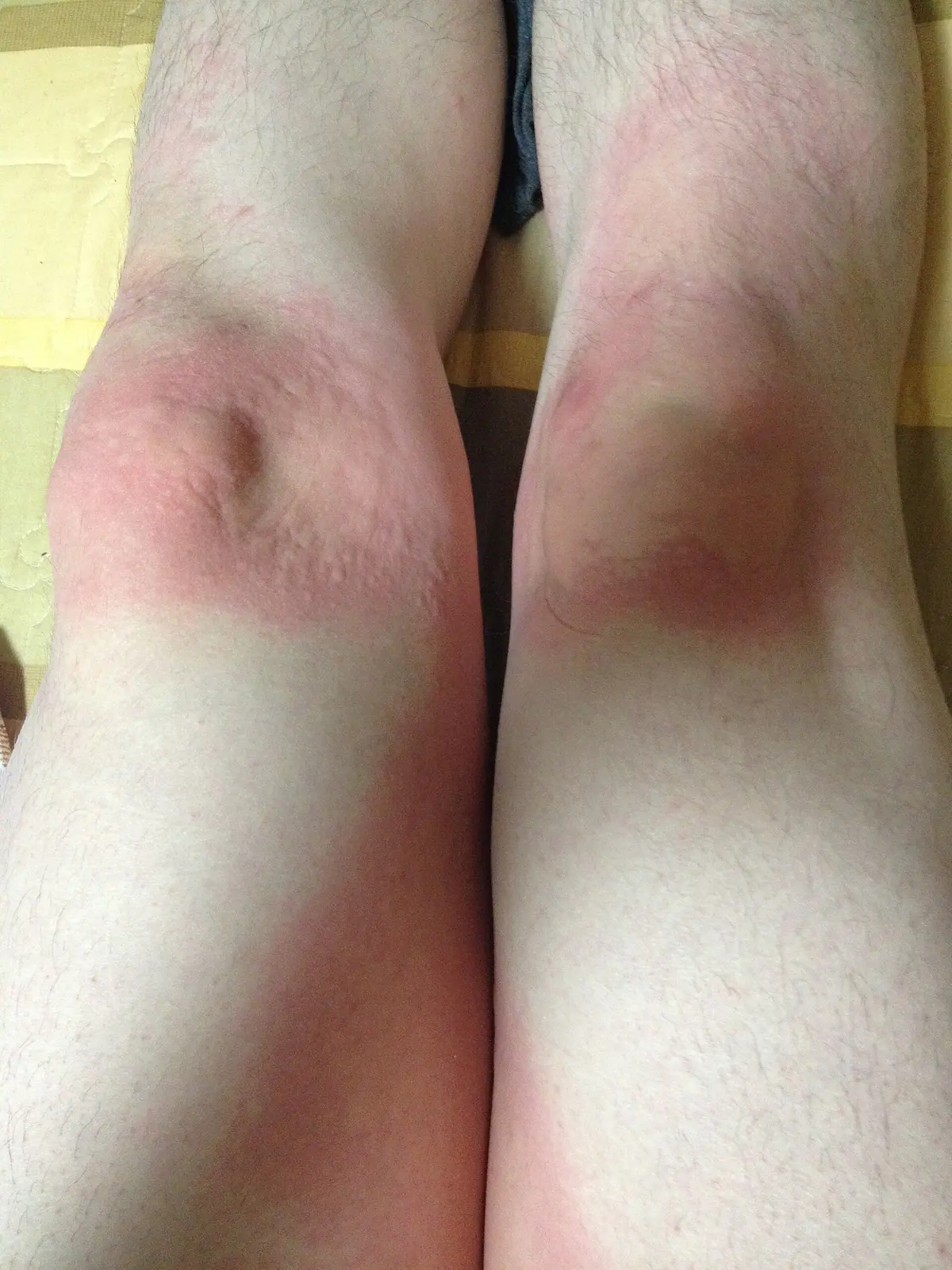
Chronic Urticaria: Start with the topics you are curious about
Points to check first
Chronic Urticaria: Symptoms and when to seek prompt medical evaluation
Chronic urticaria is a condition where very itchy bumps or raised plaques recur daily or on most days for 6 weeks or more. A single wheal usually disappears within 24 hours, but new ones may appear in other areas, and their shape and location may change. Depending on skin tone, they may appear pink or red, or they may be difficult to see as they blend in with the surrounding skin color. Deep skin swelling, known as Angioedemaangioedema, may also accompany the eyelids, lips, hands, or feet. Swelling of the face, mouth, tongue, or throat, throat tightness, difficulty swallowing or breathing, dizziness, or a feeling of fainting may indicate anaphylaxis; seek emergency help immediately.
Distinguishing Symptoms from Emergencies
Determine when to seek medical evaluation based on the duration of recurrence, skin changes in one location, and angioedema
We evaluate not only the visible wheals but also the movement of their location, deep swelling, and airway symptoms.
| Visible or felt symptoms | What to check | Priority action |
|---|---|---|
| Itchy wheals appear and disappear | Common pattern of urticaria | Record photos and the time of onset and disappearance |
| Recurring on most days for 6 weeks or more | Possibility of chronic urticaria | Dermatology and allergy evaluation |
| Deep swelling of eyelids, lips, hands, or feet | Possibility of accompanying angioedema | Check location, duration, and systemic symptoms |
| Consistent rash following heat, cold, or pressure | Possibility of inducible urticaria | Record triggers and reaction time |
| Swelling of tongue or throat, difficulty swallowing/breathing, or feeling of fainting | Possibility of anaphylaxis | Immediate emergency assistance |
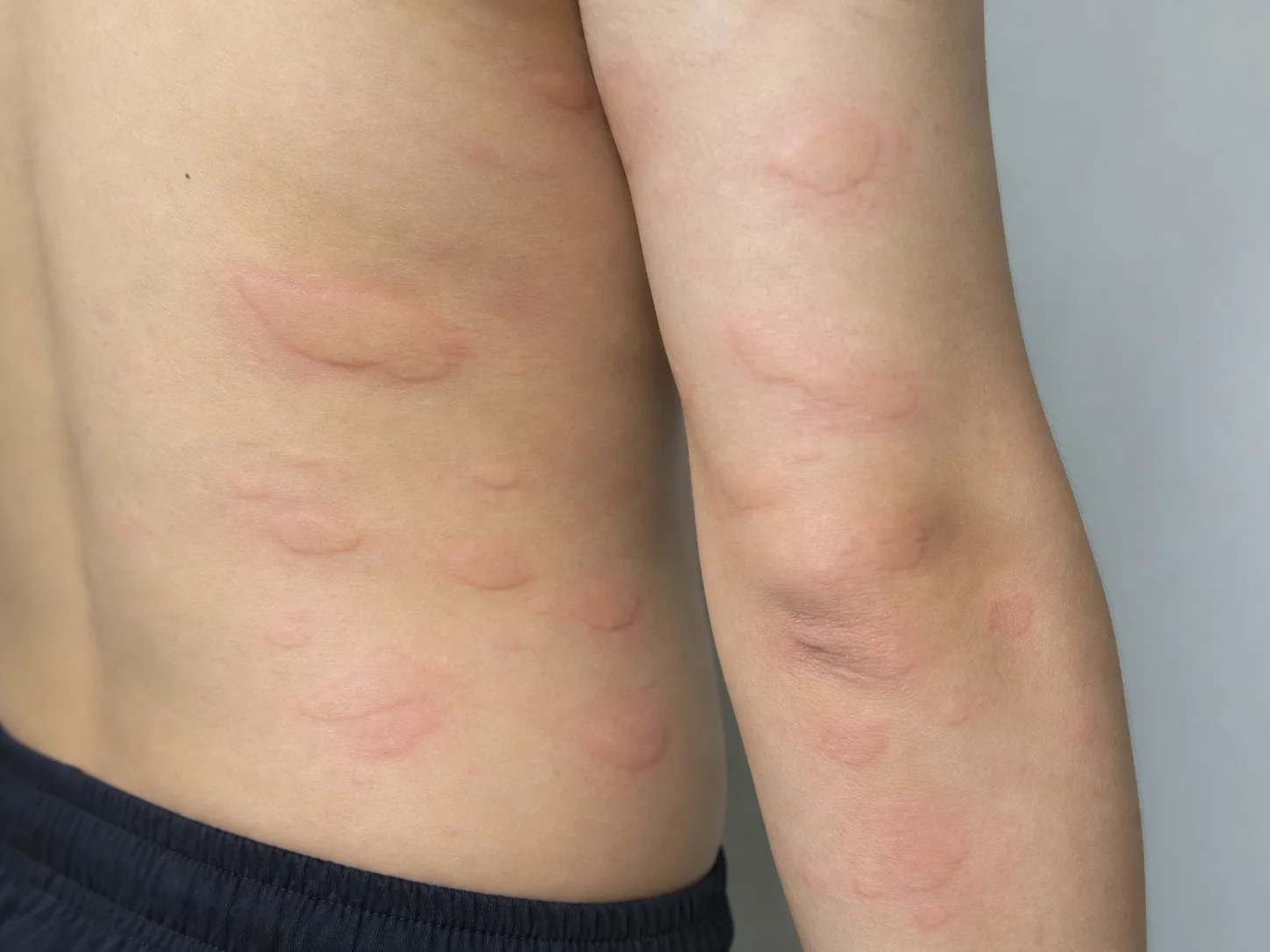
This reproduces one possible distribution of wheals seen in hives. Please check the duration of a single lesion and any respiratory or mucosal symptoms before reviewing the photos.
Actual clinical photos and educational close-up examples are materials for comparing possible patterns and cannot be used for diagnosis alone. Mechanism diagrams have simplified complex processes.If these discomforts have recurred
For those who find it difficult to keep records because the location of wheals changes every time they go to work or go to sleep
In many cases, wheals, swelling, and sleep disturbance continue for over 6 weeks even when no specific cause is found through tests. Korean herbal medicine treatment does not stop at 'unknown cause' but focuses on the conditions that make the body easily hypersensitive and the speed of recovery Byeonjeung (pattern identification).
For those whose rash location changes, such as on the arms in the morning and the torso at night
When wheals occur almost every day for over 6 weeks antihistamineswhen continuing to take
For those who wake up due to itching and find it difficult to concentrate the next day
When nighttime itching or swelling of the lips or eyelids recurs even after increasing medication
For those who experience swelling of the eyelids, lips, hands, or feet along with urticaria
When sleep and work continue to be disrupted even after being told the cause is unknown
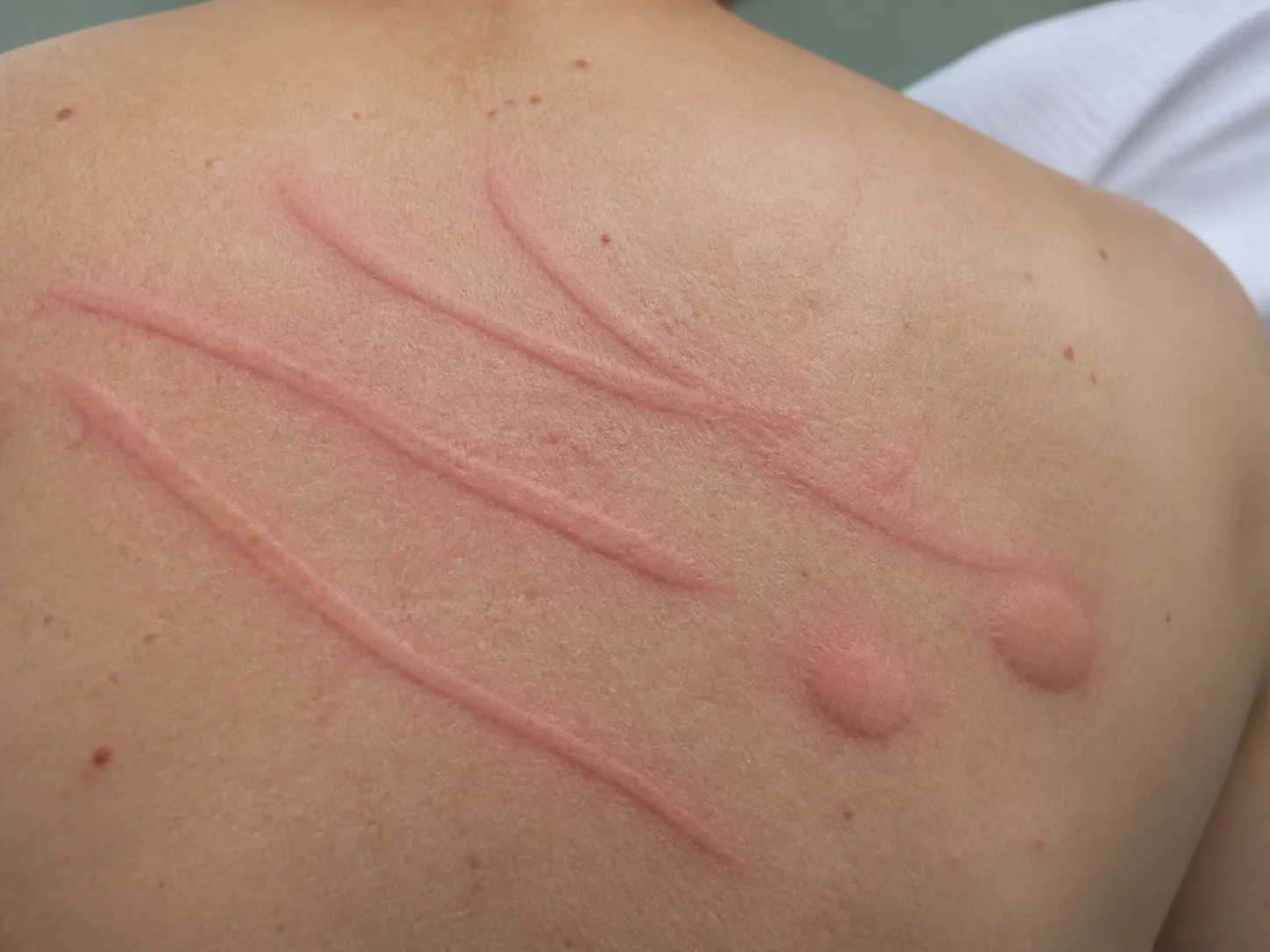
Hives do not only appear as round rashes; they can also rise in linear patterns following friction or pressure. A key clue is how quickly the swelling disappears without leaving any surface scaling or wounds.
Points to distinguish first
Chronic Urticaria: How to Distinguish It from Similar-Looking Skin Conditions
Rule out airway angioedema and anaphylaxis
First, check for swelling of the tongue or throat, throat tightness, difficulty swallowing or breathing, dizziness, or a feeling of fainting.
Examine individual wheals and the overall duration of exacerbation separately
Use photos and a calendar to track the time of onset and resolution, the location of new skin changes, and whether they have recurred for 6 weeks or more.
Check if the swollen skin, sleep, and daily life improve together
While maintaining antihistamines and specialized treatment, monitor only the changes in itching, swelling, sleep, and work performance.
Why does it keep getting worse?
Reasons why chronic urticaria persists or recurs
Do not view 'unknown cause' as untreatable
Rather than forcing the search for a single allergen, carefully categorize the body's condition and the actual triggers that worsen symptoms, such as heat, exercise, pressure, menstruation, or lack of sleep.
Examine body heat and immune hypersensitivity from different perspectives
Determine the relative importance of body heat regulation and systemic immune balance by checking if symptoms worsen in heat or cold, if they react to pressure, exercise, or stress, and if swelling lasts longer when fatigued.
Observe if the number of days spent comfortably increases
Record the days symptoms appeared during the week, the time of peak itching, the number of times awakened at night, and the time the wheals disappeared to verify if herbal medicine treatment is changing the total volume of the body's reactions.
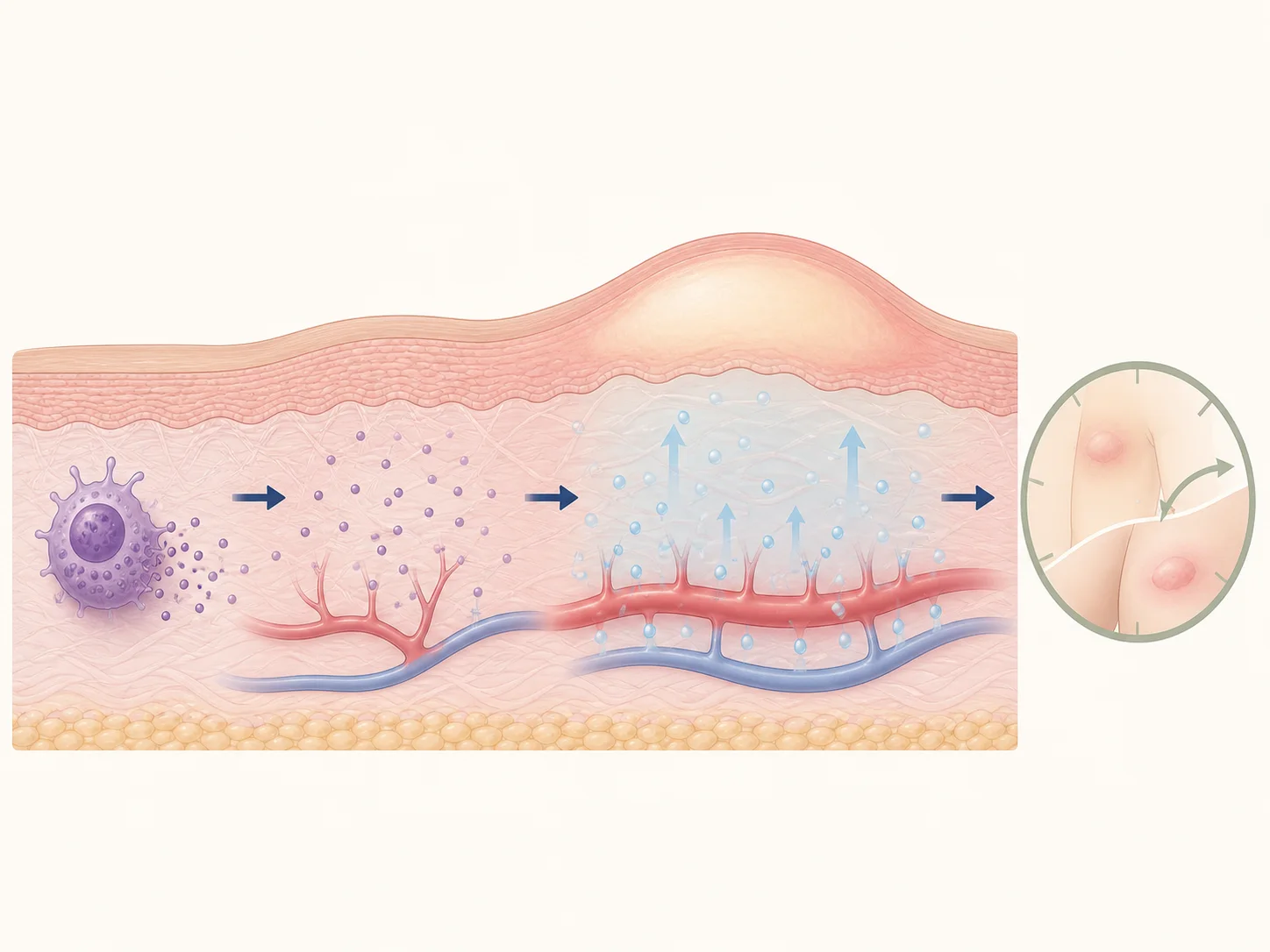
This is a simplified flow showing how temporary edema occurs around blood vessels after the release of mediators, causing wheals to rise. This does not mean all hives have the same triggering cause.
Conceptual reference · AAD Hives: CausesThings to prepare before your visit
What photos and records should I prepare before the medical evaluation?
Please prepare photos of wheals and swelling, onset and resolution times, the start date and an exacerbation calendar, triggers for itching and sleep disruption, and a list of all current medications.
Sudden appearance of bumps or plaques
These vary in size and shape, may merge together, and can be severely itchy.
One lesion disappears while new skin changes appear
Use photos and timestamps to distinguish whether the lesions remained in the same spot or moved to different areas.
Depending on skin tone, they may appear less red
Do not rely on color alone; check the raised borders, texture, and itching together.
Changes to monitor during treatment
What changes should I monitor during treatment?
Days hives appeared and the time they were most severe within the last 7 days
Please record when it started and how it has changed, including the dates. To make it easier to compare before and after, take photos of the same area from a similar distance and under similar lighting.
Itching score, number of times awakened from sleep, and swelling of the eyes or lips
Please leave a brief note. Compare not only the visible changes but also whether your sleep, pain, and daily life have become less uncomfortable.
Current treatments and responses, such as antihistamines or Omalizumab
Please write down the names and dates of the treatments you have received so far, as well as what improved and what worsened again.
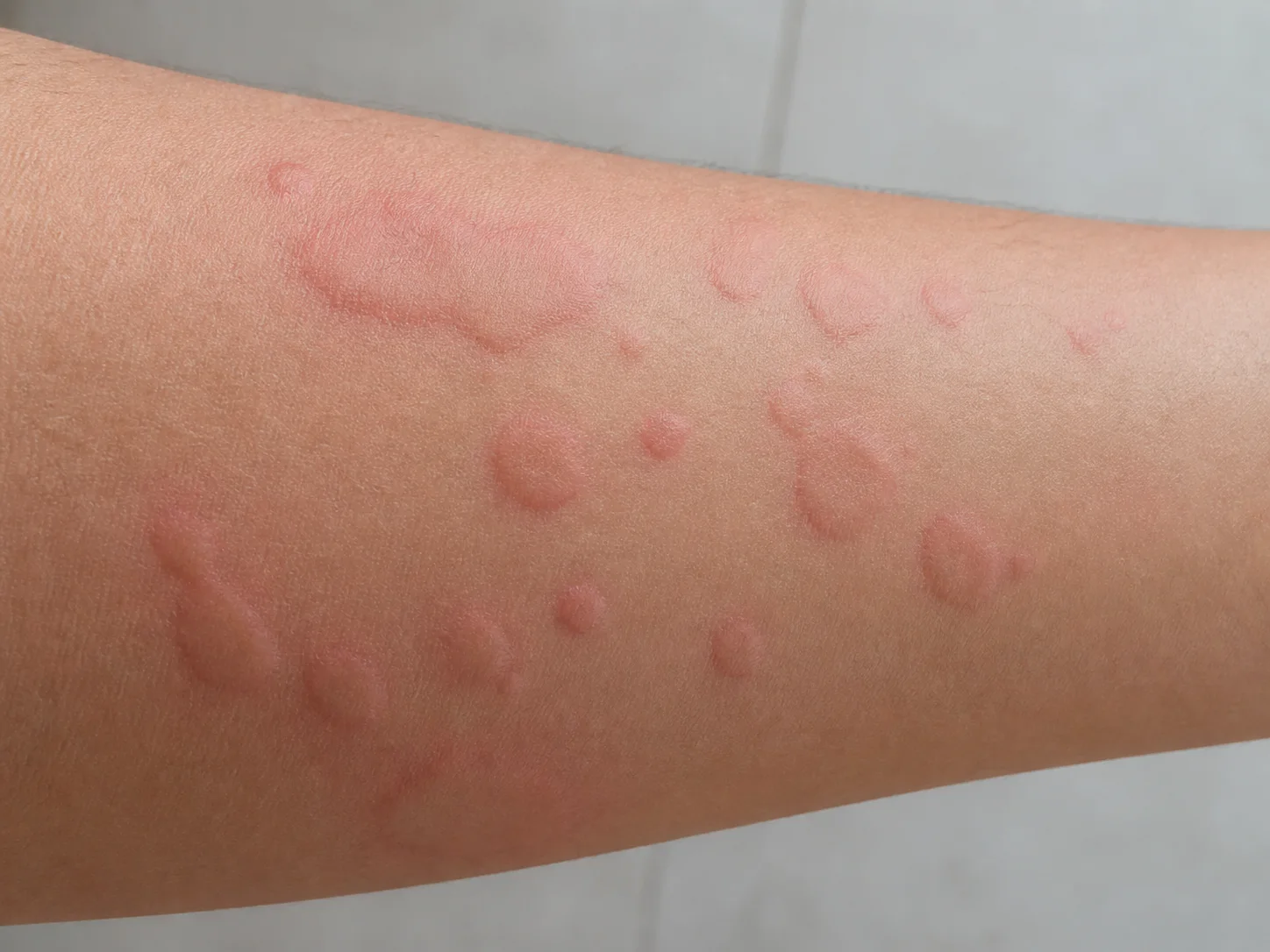
The key clue is whether the surface has almost no scaling and whether the wheals rise smoothly and then shift location. Please record whether the same lesion remains after several hours, along with the time the photo was taken.
When planning herbal medicine treatment
For chronic urticaria, the direction of Korean herbal medicine treatment is determined based on your current hives symptoms
We do not stop the pattern identification (Byun-jeung) just because a single cause cannot be found. We categorize wheals that have recurred for over 6 weeks into patterns related to heat and cold, pressure and exercise, nighttime itching, diet and digestion, and fatigue and sleep, then adjust the prescription to reduce the total volume of reactions per week.
Pattern identification (Byeon-jeung) in Korean medicine is not about giving a different name to a disease. Multiple patterns can overlap in one person, and as the skin changes, for example, as oozing and heat decrease and dryness or cracking remain, the prescription is adjusted accordingly.
When symptoms are hot, red, and worsen after a cold or exercise
- Primary skin observations
- We check if vividly red and hot wheals spread widely and persist until night.
- Overall body condition to check alongside skin
- We check for worsening after hot showers, exercise, or fever, and whether there is thirst, heat in the upper body, or restless sleep.
- Primary considerations for herbal medicine prescription
- Emphasis is placed on clearing heat and expelling wind to lower body heat, immune hypersensitivity, and itching.
When swelling occurs upon exposure to cold wind or cold water
- Primary skin observations
- We check if pale or red wheals appear in cold areas and if itching increases when the area warms up.
- Overall body condition to check alongside skin
- We ask if there is accompanying coldness in the hands and feet, sensitivity to cold, loose stools, or decreased energy.
- Primary considerations for herbal medicine prescription
- Emphasis is placed on dispersing cold and harmonizing the body to help with cold stimulus adaptation and temperature regulation; excessive exposure to cold should be avoided.
When the skin is dry and itching lasts long every night
- Primary skin observations
- We check if dryness and scratch marks remain even between wheals and if nighttime itching is prolonged.
- Overall body condition to check alongside skin
- We check for worsening after lack of sleep, fatigue, before or after menstruation, or during recovery periods, and whether the mouth and skin feel dry.
- Primary considerations for herbal medicine prescription
- The duration of the reaction is reduced by lowering immune hypersensitivity while adding blood nourishment, moisturizing dryness, and restoring sleep.
When recurring after overeating, drinking, or late-night snacks
- Primary skin observations
- We observe whether the area of wheals and the feeling of heat increase within a few hours after eating.
- Overall body condition to check alongside skin
- We ask if bloating, heartburn, bad breath, irregular bowel movements, and food sensitivity occur together.
- Primary considerations for herbal medicine prescription
- We balance immune regulation with reducing heat and stagnation in the gastrointestinal tract and managing digestive burden.
How is the herbal medicine prescription adjusted?
- Identifying dominant reactions through a one-week record
We analyze the time wheals appeared, the immediate preceding stimulus, the moment of peak itching, and the time they disappeared.
- Prescriptions that vary by reaction pattern rather than a single cause
We align treatment with the dominant axis among heat, cold, dryness, and digestive links, while also adjusting responses to pressure, exercise, and tension.
- Evaluating the duration of comfortable days alongside the number of days medication was taken
We check for an increase in days without wheals, smaller areas when they do appear, shorter duration, and more nights of uninterrupted sleep.
When should I consider Korean herbal medicine treatment?
- When wheals occur almost daily for over 6 weeks and antihistamines are taken continuously
- When nighttime itching or swelling of the lips or eyelids recurs despite increasing the medication dose
- When sleep and work continue to be disrupted even after being told the cause is unknown
What will be asked during the medical evaluation?
- Days wheals appeared and the time of peak severity within the last 7 days
- Itching score, number of times awakened during sleep, and swelling of the eyes or lips
- Current treatments and responses, such as antihistamines or Omalizumab
Things to prepare before the consultationPlease prepare photos of wheals and swelling, times of onset and disappearance, a calendar showing the start date and worsening periods, descriptions of itching, sleep, and triggers, and a list of all current medications.
If pus, pain, or redness spreads rapidly, or if you have a fever, lesions inside the eyes or mouth, shortness of breath, or sudden facial swelling, please visit a dermatology clinic or seek emergency care first. After confirming that such urgent situations are not present, Baekrokdam provides herbal medicine treatment for chronic and recurring skin diseases.
Consult about chronic urticaria progressFrequently Asked Questions
Frequently Asked Questions about Chronic Urticaria
When is it considered chronic urticaria?
It is considered chronic urticaria if the worsening of itchy wheals recurs daily or on most days for 6 weeks or more.
How long does a single wheal last?
They usually disappear within 24 hours, but new wheals may appear in other areas. Please record the time of onset and disappearance along with photos.
Is lip swelling also a symptom?
Angioedema may occur. Seek emergency help immediately if you experience swelling of the tongue or throat, difficulty swallowing or breathing, or a feeling of fainting.
What should I do if there is no rash during the medical evaluation?
It is helpful to prepare photos taken under the same lighting, records of when skin changes appeared and disappeared, and notes on itching, sleep, and swelling.
Why is the cause of chronic urticaria often not found?
This is because it is common for skin immune cells to be activated spontaneously or autoimmunologically without external allergens. Symptom control treatment is possible even if the cause is unknown.
Do I need to undergo all food allergy tests?
If there is no clear relationship where symptoms occur every time immediately after eating a specific food, extensive testing may be less helpful. Necessary items are determined during dermatology or allergy evaluations based on your medical history.
Can cold or pressure be the cause?
There is chronic inducible urticaria that recurs after physical stimuli such as cold, heat, sunlight, pressure, or exercise. Instead of dangerous self-testing, please record the stimuli and the resulting rash.
References and update date
Doctor of Korean Medicine Choi Yeon-seung verified the content based on the official and professional materials below and updated it on 2026-08-23.
- American Academy of Dermatology, Hives overviewShape and disappearance of wheals, chronic duration, and symptoms requiring immediate evaluation for angioedema or airway issues
- American Academy of Dermatology, Chronic spontaneous urticariaItchy wheals recurring for 6 weeks or more and chronic spontaneous urticaria
- Leeds Teaching Hospitals NHS, Chronic UrticariaAutoimmune mechanisms and triggers such as cold, heat, pressure, or emotion; distinction between allergic and spontaneous forms and evidence of angioedema
- AAAAI, Facts and Myths About UrticariaDiagnosis centered on medical history and physical examination with limited blood tests; low diagnostic value of extensive food and inhalation allergy tests
- American Academy of Dermatology, Urticaria guideline key messagesChronic urticaria diagnostic principles recommending limited tests based on medical history and examination rather than extensive screening
- DermNet, Chronic urticariaSecond-generation H1 antihistamines as foundational treatment, minimizing triggers, and, if symptoms are refractory, omalizumab with caution regarding long-term systemic steroids
- DermNet, Chronic spontaneous urticariaSpecialist evaluation and evidence for omalizumab treatment in chronic spontaneous urticaria refractory to antihistamines
- NHS, HivesAntihistamine treatment and recurrence evaluation, and emergency caution for angioedema, breathing difficulties, and fainting