Rosacea: Start with your most pressing questions
Points to check first
Rosacea: Symptoms and when to seek medical evaluation
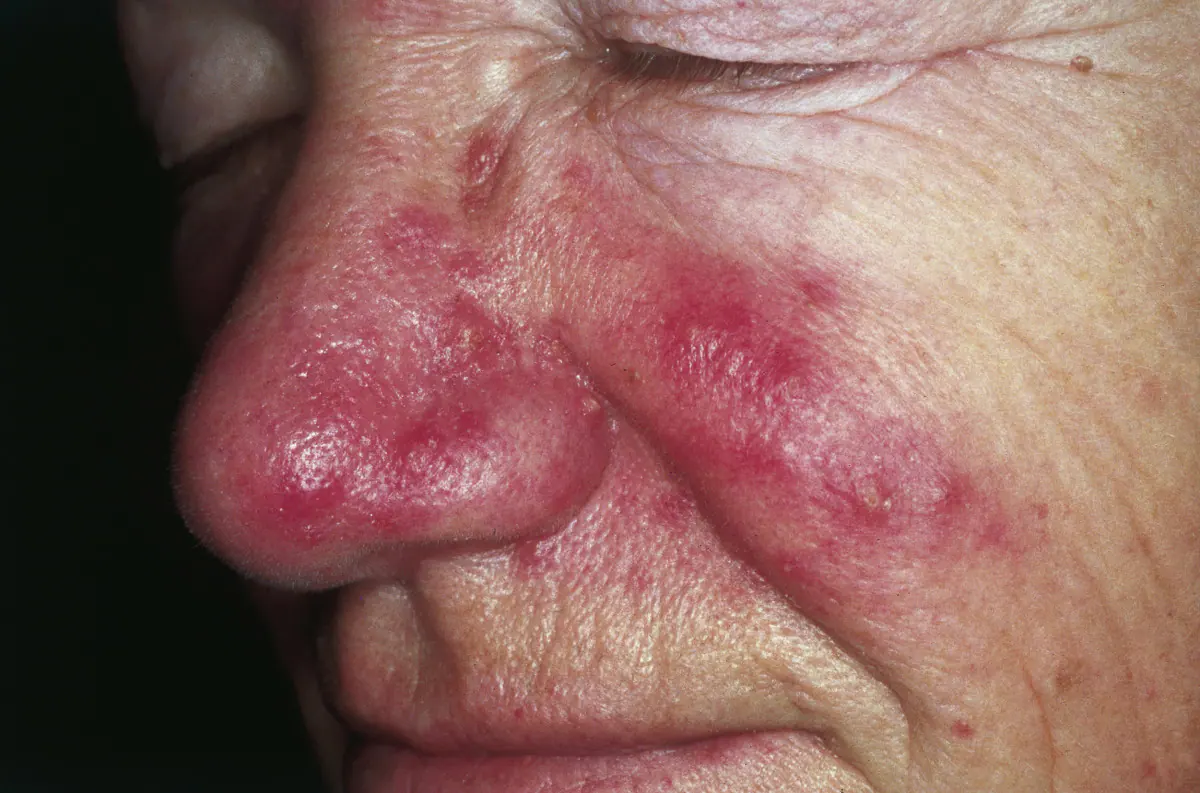
Rosacea may begin with repeated redness centered on the nose, cheeks, forehead, and chin, or with the skin becoming darker (purple or brown) than the usual skin tone, with the color persisting over time. burning sensation·Stinging, sensitivity, visible fine blood vessels, and acne-like papules, pustules, or edema may also occur. In some cases, the skin on the nose, forehead, and chin thickens. Dryness, a foreign body sensation, redness, or eyelid swelling in the eyes may appear before skin symptoms; severe eye pain, light sensitivity, or changes in vision require prompt ophthalmological evaluation.
Classification by symptom type
Identifying the primary symptom among flushing, inflammation, eye issues, or skin thickening
Multiple types may overlap in one person.
| Visible Changes | Suspected Pattern | First Steps |
|---|---|---|
| Persistent flushing on the nose and cheeks | Vascular rosacea | Record duration and triggers |
| Fine blood vessels and burning sensation | Persistent vascular response | Dermatological examination |
| Papules, pustules, and edema | Inflammatory rosacea | Differential diagnosis for acne or infection |
| Dryness, redness, or foreign body sensation in the eyes | Possible ocular rosacea | Check eyelids and vision |
| Thickening of the skin on the nose | Progression of skin thickening | Early dermatological evaluation |
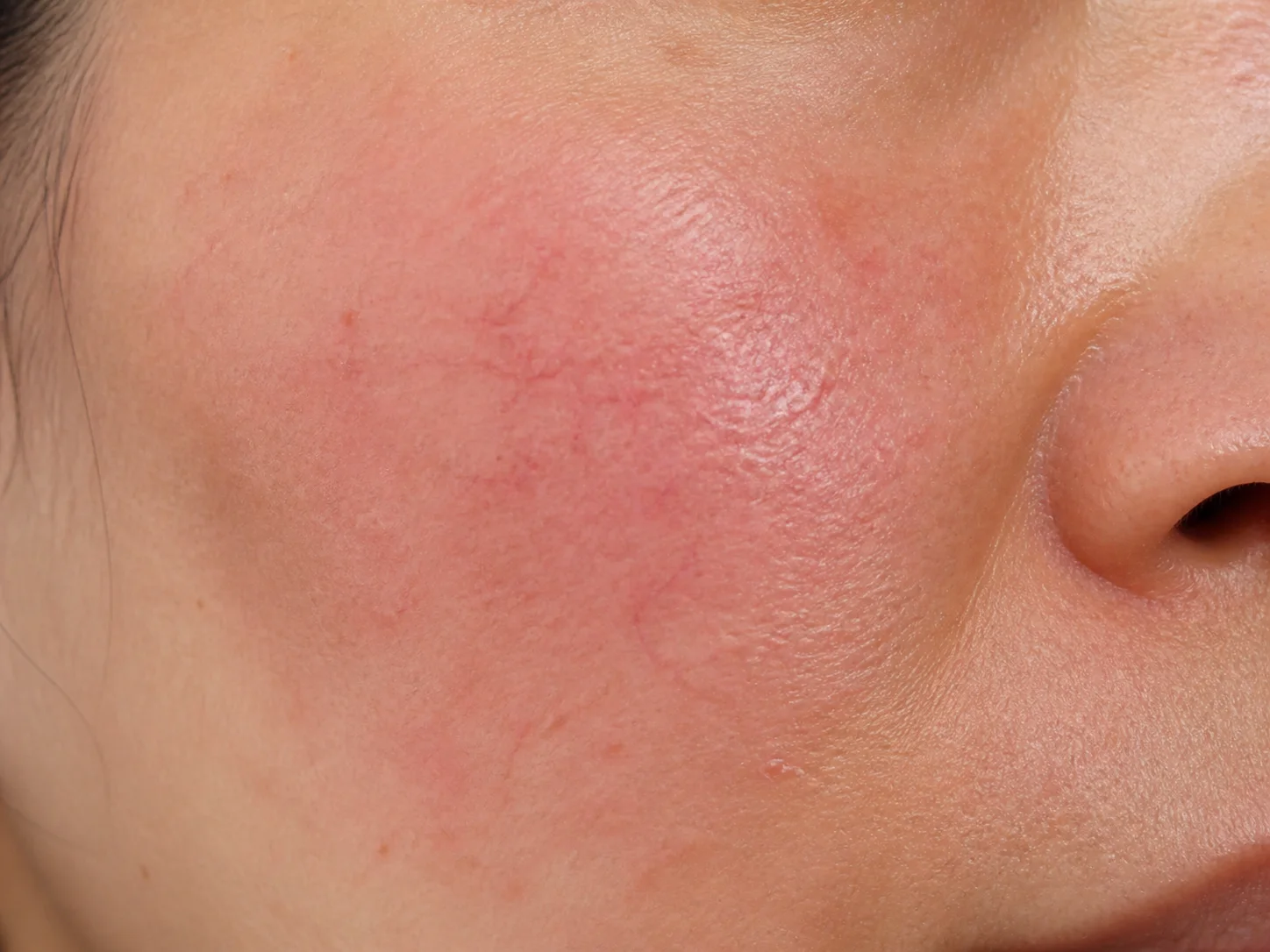
Redness in the center of the face and fine blood vessels that remain even when not triggered are different clues from temporary flushing. We check for rosacea along with papules, scaling, and eye symptoms.
Actual clinical photos and educational close-up examples are materials for comparing possible patterns and cannot be used for diagnosis alone. Mechanism diagrams have simplified complex processes.If these discomforts have recurred
For those wanting to confirm if facial redness and breakouts are rosacea
There are cases where a person's face is always red and burning, yet they repeatedly hear only that it is sensitive skin or acne. Korean herbal medicine treatment examines the heat concentrating in the face and the vascular response, skin barrier, as well as the recovery speed that varies based on digestion, sleep, and tension.
Those who experience prolonged burning sensations on the nose and cheeks after morning cleansing or exposure to sunlight during the commute
When flushing frequently recurs after cleansing, sunlight, heat, or stress, even during dermatology treatment
Those who notice acne-like papules and visible blood vessels when applying makeup before going out
When makeup, going out, or having conversations becomes burdensome due to burning and stinging sensations
Those who experience dryness in the eyes, as if sand is present, and frequent eyelid swelling during work
When facial heat lingers for a long time after alcohol, spicy food, or lack of sleep
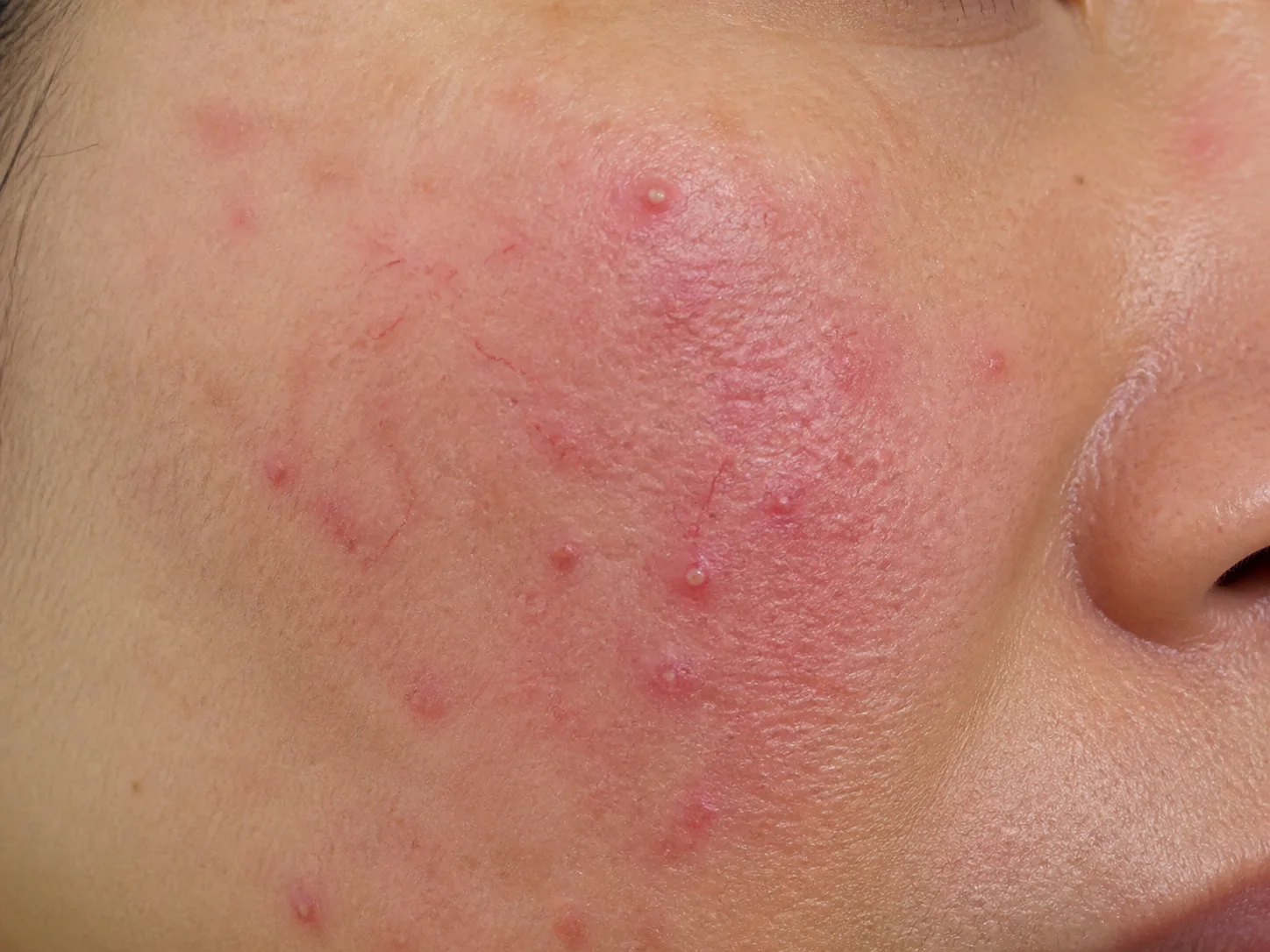
The papules and pustules of rosacea resemble acne, but the absence of comedones is a key clue. Actual differentiation is based on the distribution of lesions and their progress.
Points to distinguish first
How to distinguish rosacea from similar-looking skin conditions
First, we rule out risks related to the eyes, allergies, and infections
We check for changes in vision, airway edema, high fever, or rapid spread of pain to ensure that necessary emergency or ophthalmology evaluations are not delayed.
Redness, visible capillaries, breakouts, and eye discomfort are examined separately
By matching the primary symptom type, duration, and lifestyle triggers, we coordinate the sequence of dermatology and ophthalmology evaluations and documentation.
We monitor both when symptoms worsen and whether your daily life becomes more comfortable.
While continuing necessary dermatology and ophthalmology treatments, herbal medicine treatment is administered concurrently with the long-term goal of actually improving facial heat and functioning in sleep, social interactions, and work.
Why does it keep getting worse?
Reasons why rosacea persists or recurs
We examine the recovery time along with the frequency of redness
We determine the progress of herbal medicine treatment by checking how many minutes after meetings, sunlight, exercise, or alcohol the symptoms start and how long the burning sensation lasts.
We observe which improves first among redness, breakouts, and stinging
The focus of the prescription varies depending on whether vascular flushing is central, whether acne-like inflammation is central, or whether skin barrier issues, causing stinging even with cleansers, are significant.
We examine heat concentrating in the upper body along with overall systemic balance
We identify body heat patterns by checking real-life scenarios: whether the face feels hot while hands and feet are cold, whether symptoms worsen after stress, meals, alcohol, menstruation, or lack of sleep, and whether digestive discomfort occurs simultaneously, Byeonjeung (pattern identification)and reflect this in the prescription.
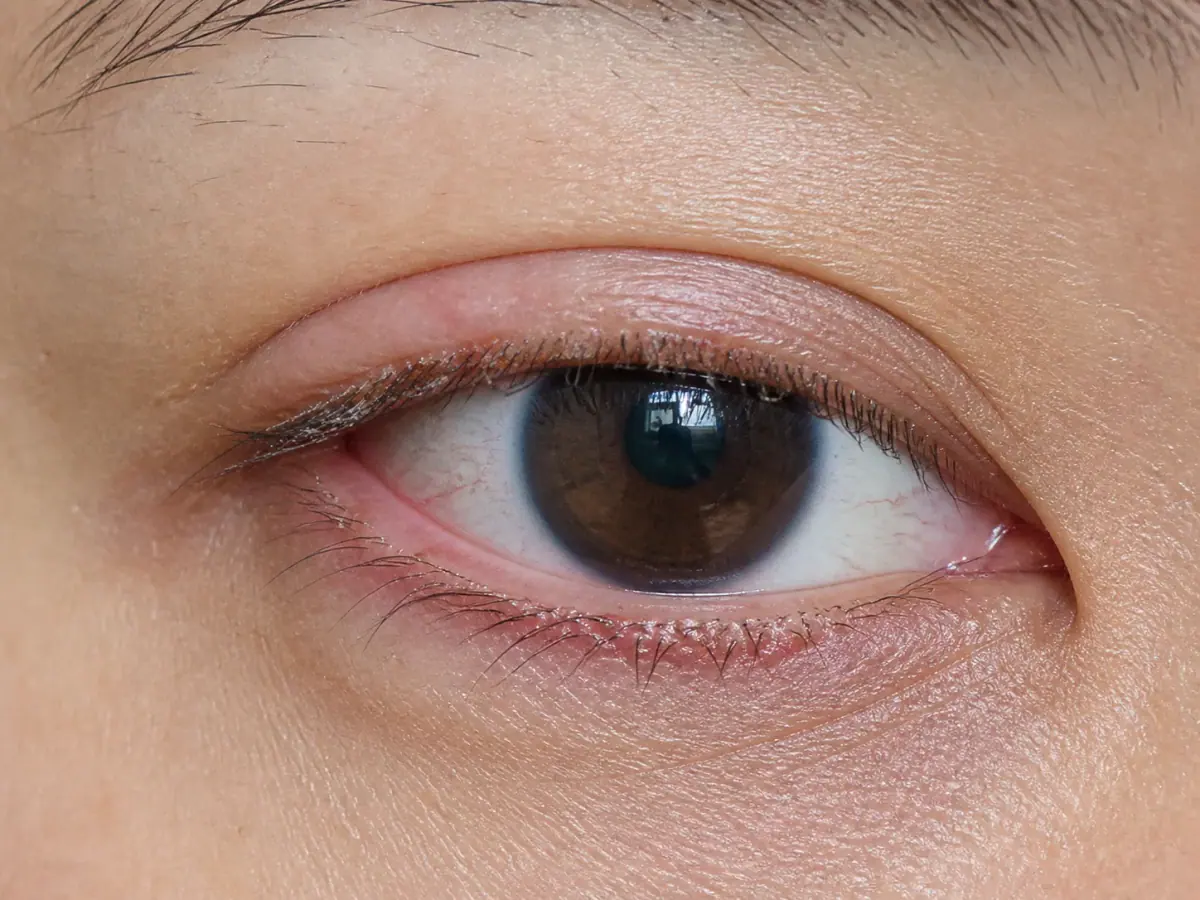
Scales at the eyelash roots can be seen in Demodex-related blepharitis, but they also resemble other types of blepharitis. Eye pain, light sensitivity, or changes in vision require an ophthalmological evaluation first.
Things to prepare before your visit
What photos and records should I prepare before the medical evaluation?
Please prepare facial photos taken under the same lighting, the duration of flushing, details on blood vessels, papules, and burning sensations, eye symptoms, products used, and responses to treatment.
Flushing and persistent color changes are the primary focus
Red, purple, or brown changes appear on the nose, cheeks, forehead, and chin, and may linger for a long time after recurring.
Fine blood vessels are visible to the eye
Dilated blood vessels under the skin may appear as lines and can become more prominent after exposure to temperature changes or sunlight.
Papules and pustules are differentiated from acne
If these appear along with flushing and sensitivity in the center of the face, the possibility of rosacea is considered, while also checking for acne clues such as comedones.
Changes to monitor during treatment
What changes should I monitor during treatment?
Daily frequency of flushing and the time it takes to subside after becoming red
Please record when it started and how it has changed, including the dates. To make it easier to compare before and after, take photos of the same area from a similar distance and under similar lighting.
The most distressing symptom among inflammatory breakouts, visible blood vessels, or eye discomfort
Please leave a brief note. Compare not only the visible changes but also whether your sleep, pain, and daily life have become less uncomfortable.
Reactions to sunlight, cleansing, meetings, exercise, alcohol, and current medications or lasers
Please also include the dates of any medications, ointments, or procedures you are currently using. This makes it easier to compare what led to improvement or worsening.
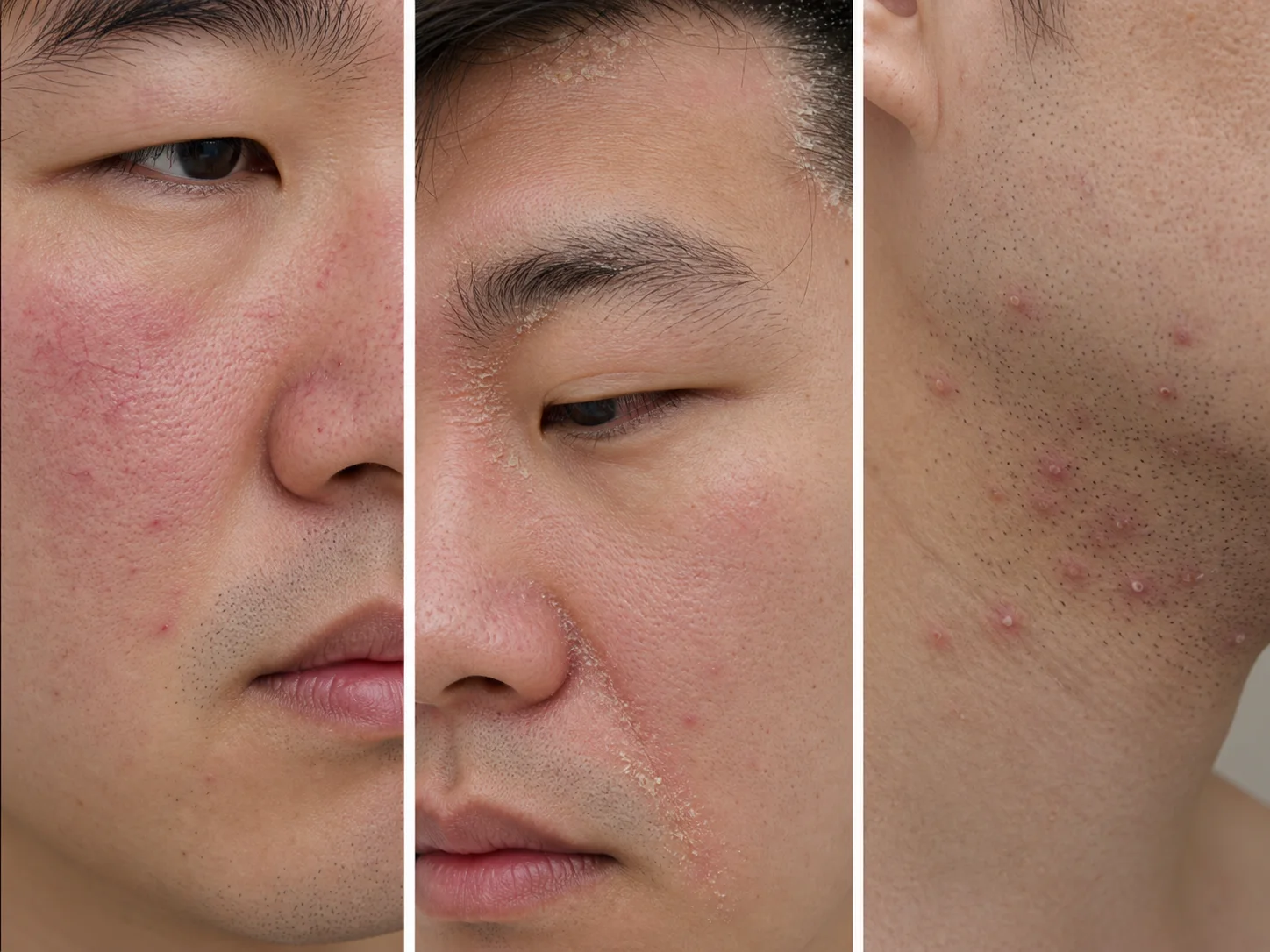
This is a reproduction image intended to explain the surface clues of three different conditions side-by-side. It is not a photograph showing the actual condition or before-and-after treatment of a single person.
When planning herbal medicine treatment
For rosacea, the direction of herbal medicine treatment is determined based on the currently prominent symptoms
Rosacea is not treated with a single approach just because redness is a common symptom. We determine the proportion of body heat, skin barrier, and circulation by distinguishing whether facial heat lingers long after meals or in heat, whether red papules and pustules are central, whether dilated blood vessels and a dark red color have become fixed, or whether the face flushes rapidly during tension.
Pattern identification (Byeon-jeung) in Korean medicine is not about giving a different name to a disease. Multiple patterns can overlap in one person, and as the skin changes, for example, as oozing and heat decrease and dryness or cracking remain, the prescription is adjusted accordingly.
When the nose and cheeks remain red for a long time after meals or exposure to heat
- Primary skin observations
- We check for persistent erythema and heat sensation on the nose and cheeks, and whether small red papules become more prominent after meals.
- Overall body condition to check alongside skin
- We check if upper body heat, thirst, or heartburn occur together after consuming spicy and hot foods or alcohol.
- Primary considerations for herbal medicine prescription
- The focus is on heat-clearing regulation to lower the heat surging to the face and stomach heat, without further drying out the sensitive skin barrier.
When papules, pustules, burning sensations, and pain are strong
- Primary skin observations
- We check for clusters of red papules and pustules without comedones, as well as burning sensations and tenderness.
- Overall body condition to check alongside skin
- We ask if inflammation increases sharply due to fatigue, lack of sleep, or before and after menstruation, and if there is a significant overall feeling of heat in the body.
- Primary considerations for herbal medicine prescription
- Emphasis is placed on heat-clearing and detoxification to reduce the burden of acute inflammation and heat toxins while minimizing skin irritation.
When dark red coloration and fine blood vessels remain fixed for a long time
- Primary skin observations
- We check if flushing does not disappear even with rest, if blood vessels are visible, and if the skin becomes thick or uneven.
- Overall body condition to check alongside skin
- We check for long-term stress, tension in the neck and shoulders, chest tightness, and differences between cold and heat sensations.
- Primary considerations for herbal medicine prescription
- Along with heat regulation, we increase the proportion of Qi-regulating and blood-activating components to help facial circulation that has been stagnant for a long time.
When the face flushes instantly after a meeting, anger, or embarrassment
- Primary skin observations
- We check if the face, ears, and neck turn red immediately after tension, even if usually pale, and if it takes a long time to recover.
- Overall body condition to check alongside skin
- We ask if this overlaps with chest palpitations, poor sleep, tension in the neck and shoulders, or stress-induced digestive discomfort.
- Primary considerations for herbal medicine prescription
- We focus on soothing the liver and relieving stagnation to lower the heat and autonomic responses caused by tension, as well as restoring sleep.
How is the herbal medicine prescription adjusted?
- Identify the primary symptom among flushing, papules, or stinging
By distinguishing between vascular redness, inflammatory skin changes, and a damaged barrier, we prioritize heat clearance, detoxification, moisturizing, and blood activation.
- Identify specific triggers for facial flushing
Only recurring triggers among post-meal, alcohol, exercise, sunlight, tension, menstruation, or lack of sleep are reflected in the prescription.
- Check the recovery time in addition to the frequency of flushing
We check the frequency of flushing, the time of peak heat, the time it takes to return to the original skin tone, and whether stinging during face washing also decreases.
When should I consider Korean herbal medicine treatment?
- When flushing frequently recurs after face washing, sunlight, heat, or tension, even during dermatological treatment
- When burning and stinging make makeup, going out, or conversation burdensome
- When facial heat lingers for a long time after alcohol, spicy food, or lack of sleep
What will be asked during the medical evaluation?
- Daily frequency of flushing and the time it takes to subside after turning red
- The most distressing symptom among inflammatory breakouts, visible blood vessels, or eye discomfort
- Reactions to sunlight, face washing, meetings, exercise, alcohol, and current medications or lasers
Things to prepare before the consultationPlease prepare facial photos taken under the same lighting, the duration of flushing, details on blood vessels, papules, and burning sensations, eye symptoms, products used, and treatment responses.
If pus, pain, or redness spreads rapidly, or if you have a fever, lesions inside the eyes or mouth, shortness of breath, or sudden facial swelling, please visit a dermatology clinic or seek emergency care first. After confirming that such urgent situations are not present, Baekrokdam provides herbal medicine treatment for chronic and recurring skin diseases.
Consult about Rosacea progressFrequently Asked Questions
Frequently Asked Questions about Rosacea
What are the early symptoms of rosacea?
Easily recurring facial flushing and burning sensations are common; over time, the redness may linger longer, and blood vessels or papules may appear.
How is it different from acne?
Rosacea presents with central facial flushing, visible blood vessels, and sensitivity. The presence of comedones is differentiated at a dermatology clinic.
Are the eyes also affected by rosacea?
Dryness, foreign body sensation, redness, and eyelid edema may occur; severe pain, photosensitivity, or changes in vision require prompt medical evaluation.
Can the nose become thicker?
Skin thickening may occur in some cases; if hard nodules or changes in contour are observed, seek medical evaluation early.
What is the exact cause of rosacea?
A single exact cause is unknown; it is viewed as involving immune inflammation, neurovascular reactions, and the skin environment together.
Are Demodex mites the cause of rosacea?
They may be involved, but they also exist on normal skin. Their detection alone does not confirm the cause and is interpreted alongside the patterns of skin change.
Is stress the cause?
Stress worsens flushing in some people, but it is not a single cause that explains the entire disease.
References and update date
Doctor of Korean Medicine Choi Yeon-seung verified the content based on the official and professional materials below and updated it on 2026-08-23.
- AAD, Rosacea signs and symptomsFlushing, persistent color change, blood vessels, papules, skin thickening, and eye symptoms
- NHS, RosaceaSkin and eye symptoms of rosacea and urgent eye warning signs
- AAD, Rosacea causesUnknown causes, immune inflammation, neurovascular, Demodex mechanisms, and risk contexts
- AAD, Rosacea diagnosis and treatmentDiagnosis centered on skin and eye examination and selective differential tests
- American Academy of Dermatology, Seborrheic dermatitis: Signs and symptomsScaling, rash, and itching of the scalp, face, ears, and chest, and patterns by skin tone