Chronic Pruritus: Start with the most frequently asked questions
Points to check first
Chronic Pruritus: Symptoms and when to seek prompt medical evaluation
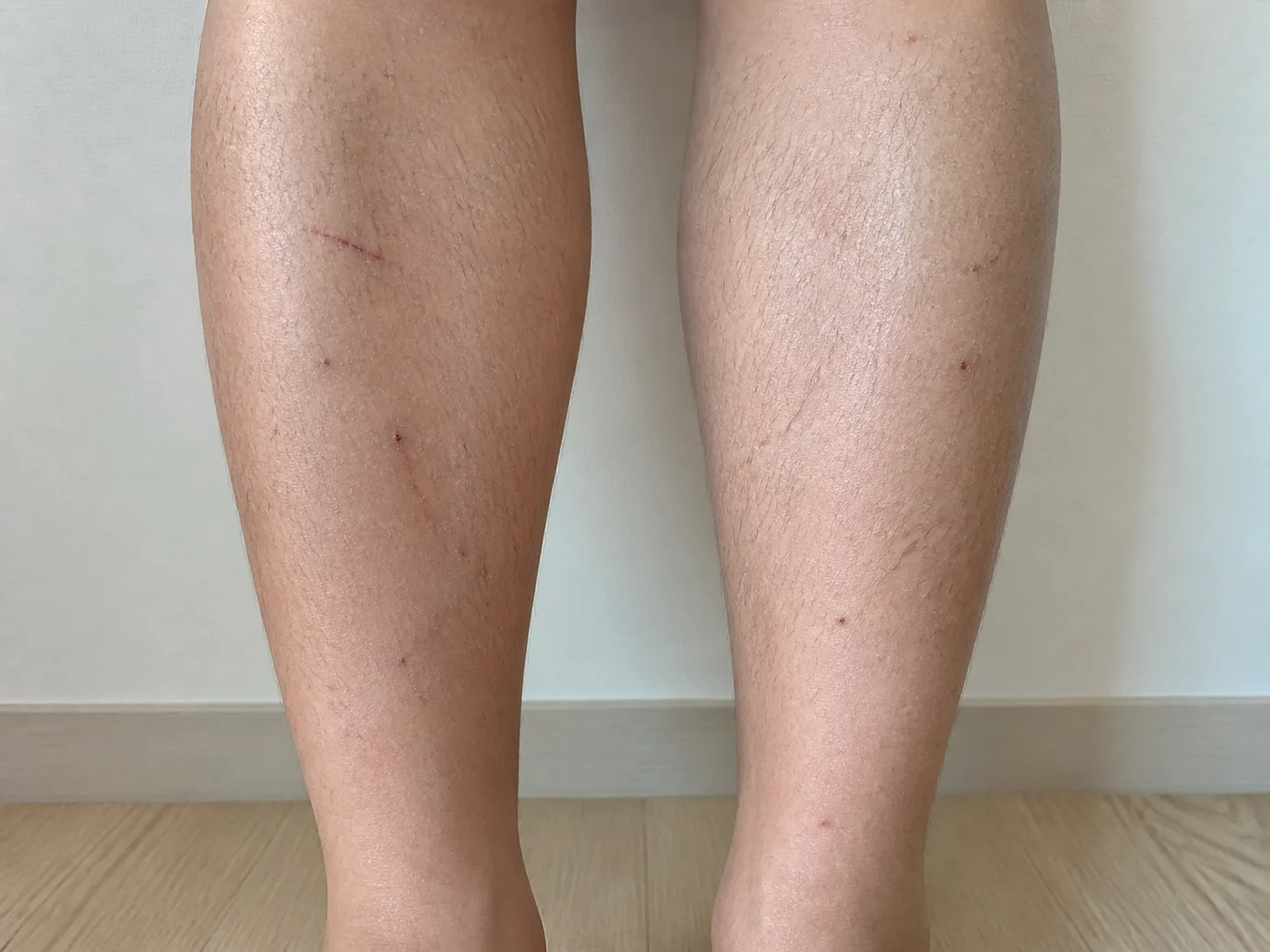
Chronic pruritus is a condition where itching lasts for 6 weeks or longer; rather than the initial rash, only lines, scabs, or color changes caused by scratching may be visible. Since causes can include not only skin issues like dryness, eczema, or scabies, but also new medications, liver, kidney, thyroid, diabetes, blood disorders, and neurological problems, we first organize the systemic distribution, medical history, and necessary tests. For itching that persists even after the cause is identified, we look into body heat, dryness, sleep, digestion, and fatigue. Byeonjeung (pattern identification).
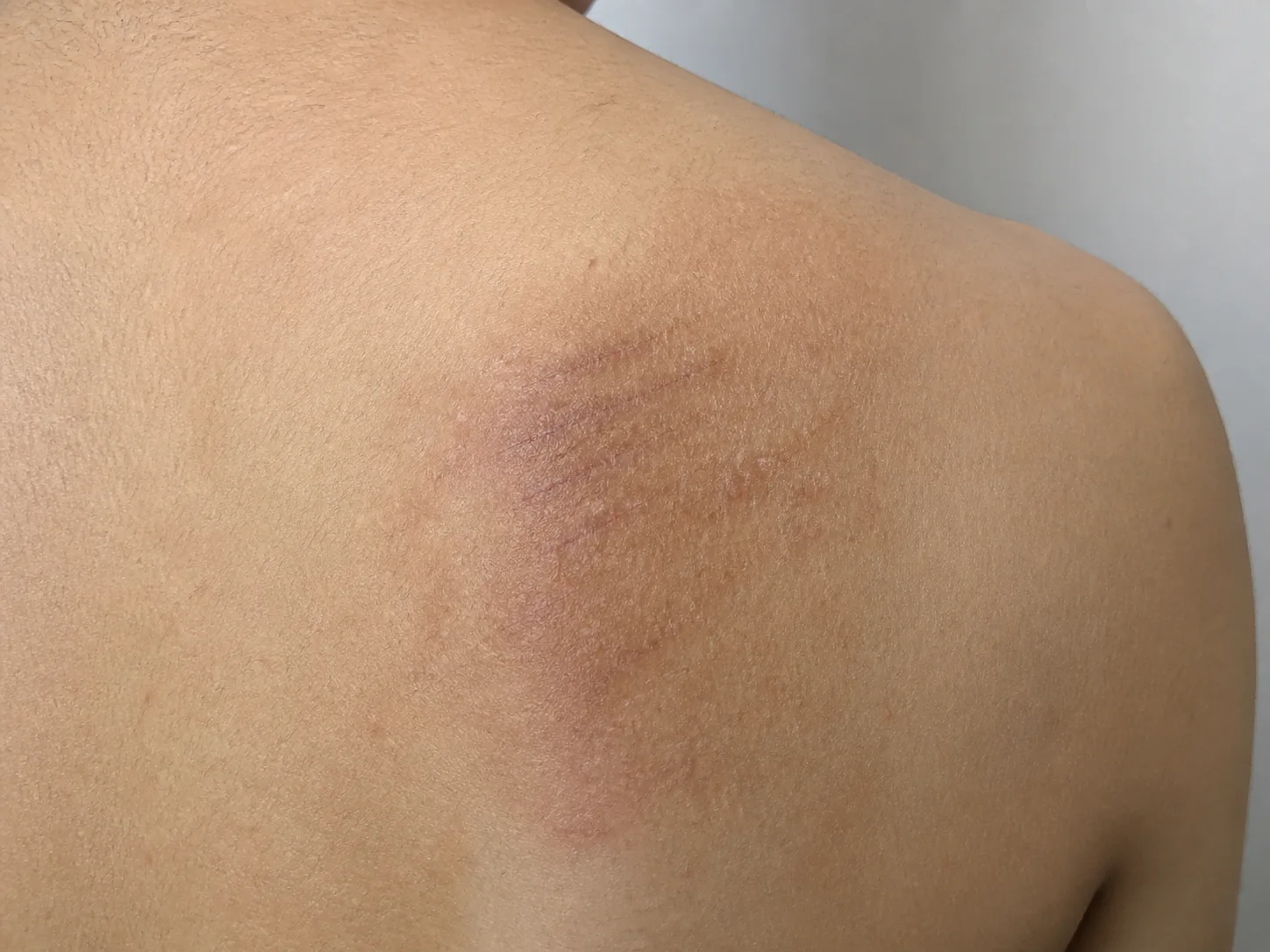
Localized itching in areas difficult to reach, such as one side of the back, is screened for both skin diseases and neurogenic pruritus. Please record any accompanying pain, numbness, and the distribution of symptoms.
Actual clinical photos and educational close-up examples are materials for comparing possible patterns and cannot be used for diagnosis alone. Mechanism diagrams have simplified complex processes.If these discomforts have recurred
For those who wake up every night due to whole-body itching despite the skin appearing normal
For those who have experienced whole-body itching for over 6 weeks, but the initial rash is not clearly visible
When whole-body itching and nighttime awakening persist for over 6 weeks even after a cause evaluation
For those whose symptoms subside only on days they take antihistamines, but nighttime itching returns when they pause the medication
antihistamines·When scratching begins immediately after pausing moisturizing treatments
For those concerned about new medications, weight changes, fatigue, or systemic causes such as liver, kidney, or thyroid issues
When dryness, heat, sleep, digestion, fatigue, and itching are all unstable together
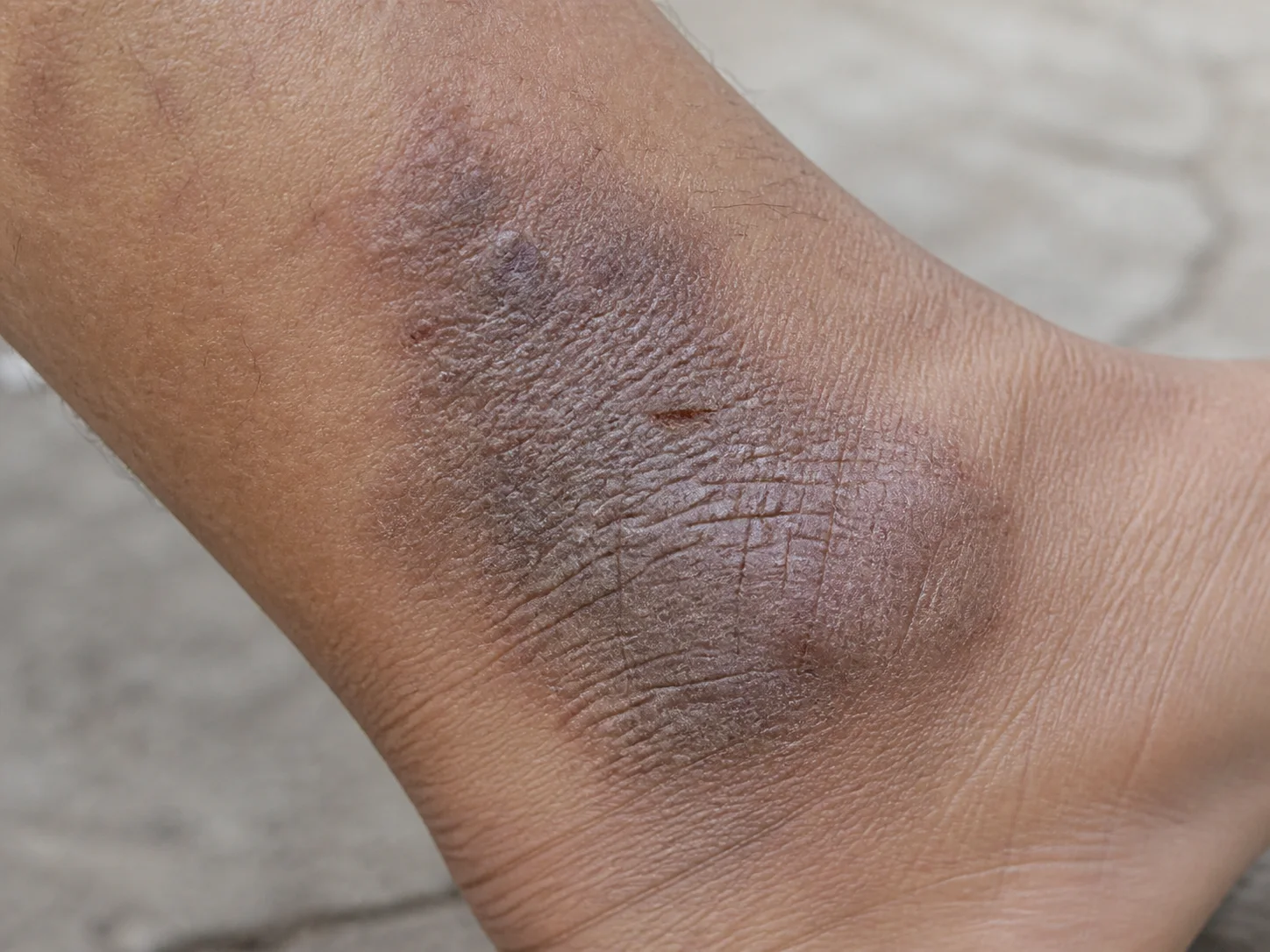
Thick, brown plaques can become fixed in areas that are repeatedly touched, such as the ankles. We examine the timing to determine whether the itching came first or if the habitual scratching started first.
Points to distinguish first
Chronic Pruritus: How to distinguish it from similar-looking skin diseases
What to look for on your skin now
Distinguish between initial skin changes and wounds caused by scratching.
When did it start and how has it recurred?
Chronic pruritus is a condition where itching lasts for 6 weeks or longer; rather than initial rashes, only linear marksscabor color changes from scratching may be visible. Causes can include not only skin issues like dryness, eczema, or scabies, but also new medications, liver, kidney, thyroid, diabetes, blood disorders, and neurological problems. Therefore, systemic distribution, medical history, and necessary tests are organized first. For itching that persists even after the cause is screened, the direction of body heat, dryness, sleep, digestion, and fatigue is analyzed through pattern identification (Byeonjeung). This information is reviewed again when determining the current stage and treatment boundaries of chronic pruritus.
Check what changes during treatment
Record systemic or localized distribution, differences between day and night, and areas that are not itchy.
Why does it keep getting worse?
Reasons why chronic pruritus persists or recurs
We do not overlook systemic causes first
Determine the scope of evaluation, including new medications and liver, kidney, thyroid, diabetes, or blood disorders.
What appeared on the skin before the itching started?
Distinguish between primary rashes and scratch wounds, and record systemic or localized distribution.
Observe if you wake up less during the night and if scratch wounds decrease
Monitor not only the itching score but also the number of times you wake up at night and the appearance of new wounds.
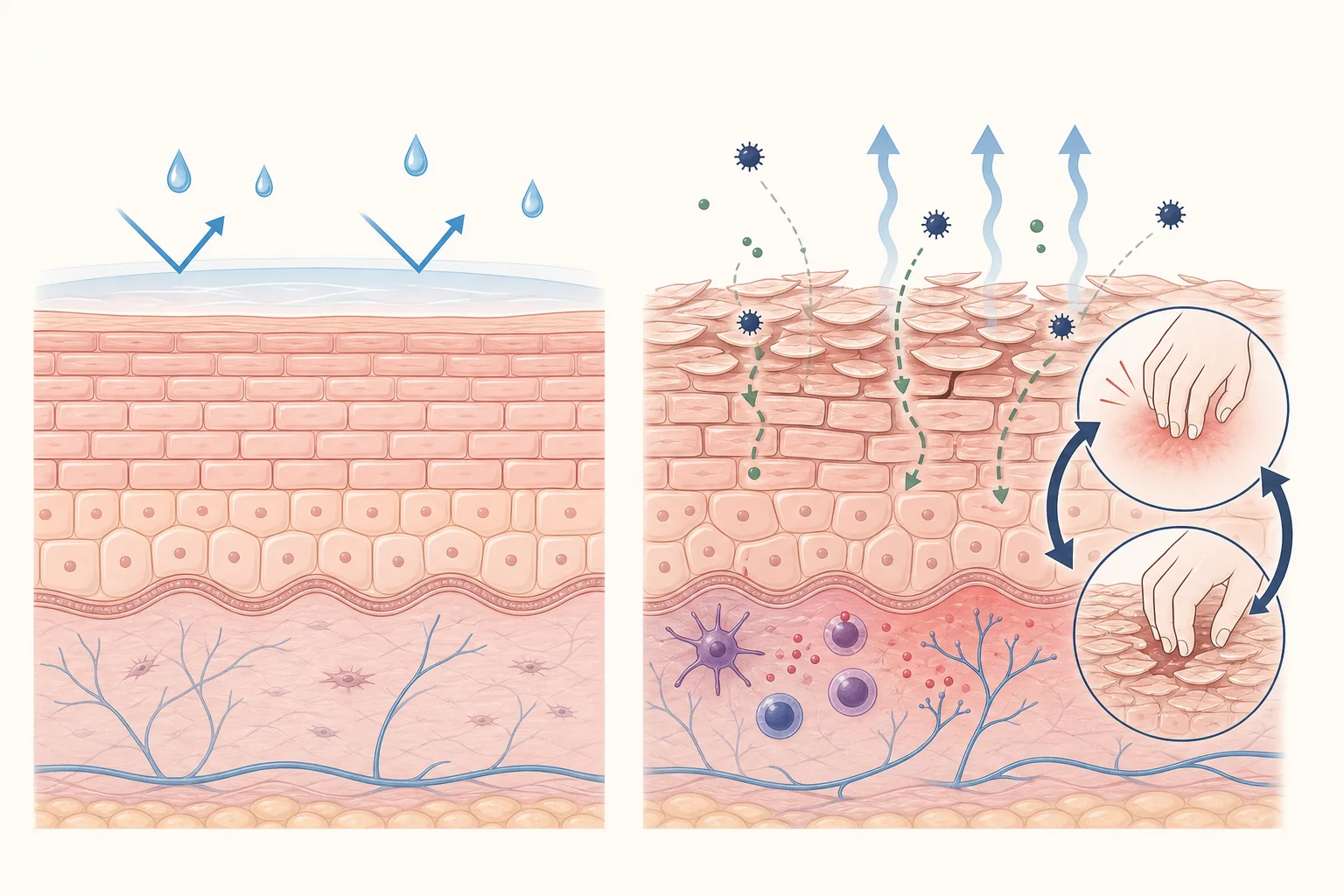
This is a simplified concept showing that when the barrier that retains moisture is disrupted, dryness and exposure to irritants increase, and itching and scratching can further damage the barrier.
Conceptual reference · NIAMS Atopic DermatitisThings to prepare before your visit
What photos and records should I prepare before the medical evaluation?
Skin surface
We ask whether the itching came first, or if red plaques, wheals, or blisters appeared first. If only linear scratch marks and scabs are present, it is difficult to determine the cause based on skin appearance alone.
Distribution and timing
Record whether it is systemic or limited to one side or area, whether the back (where hands cannot reach) is also itchy, and how it changes after nighttime, showering, or exposure to heat.
Skin causes
Confirm dryness, eczema, hives, scabies, tinea, and contact exposure through examination.
Changes to monitor during treatment
What changes should I monitor during treatment?
Map of itchy areas and the sequence of initial skin changes versus scratch wounds
Please record when it started and how it has changed, including the dates. To make it easier to compare before and after, take photos of the same area from a similar distance and under similar lighting.
Medications, supplements, systemic diseases, and test results
Please leave a brief note. Compare not only the visible changes but also whether your sleep, pain, and daily life have become less uncomfortable.
Number of times waking up at night and changes after heat, showering, dryness, sleep, or digestion
Please also include the dates of any medications, ointments, or procedures you are currently using. This makes it easier to compare what led to improvement or worsening.
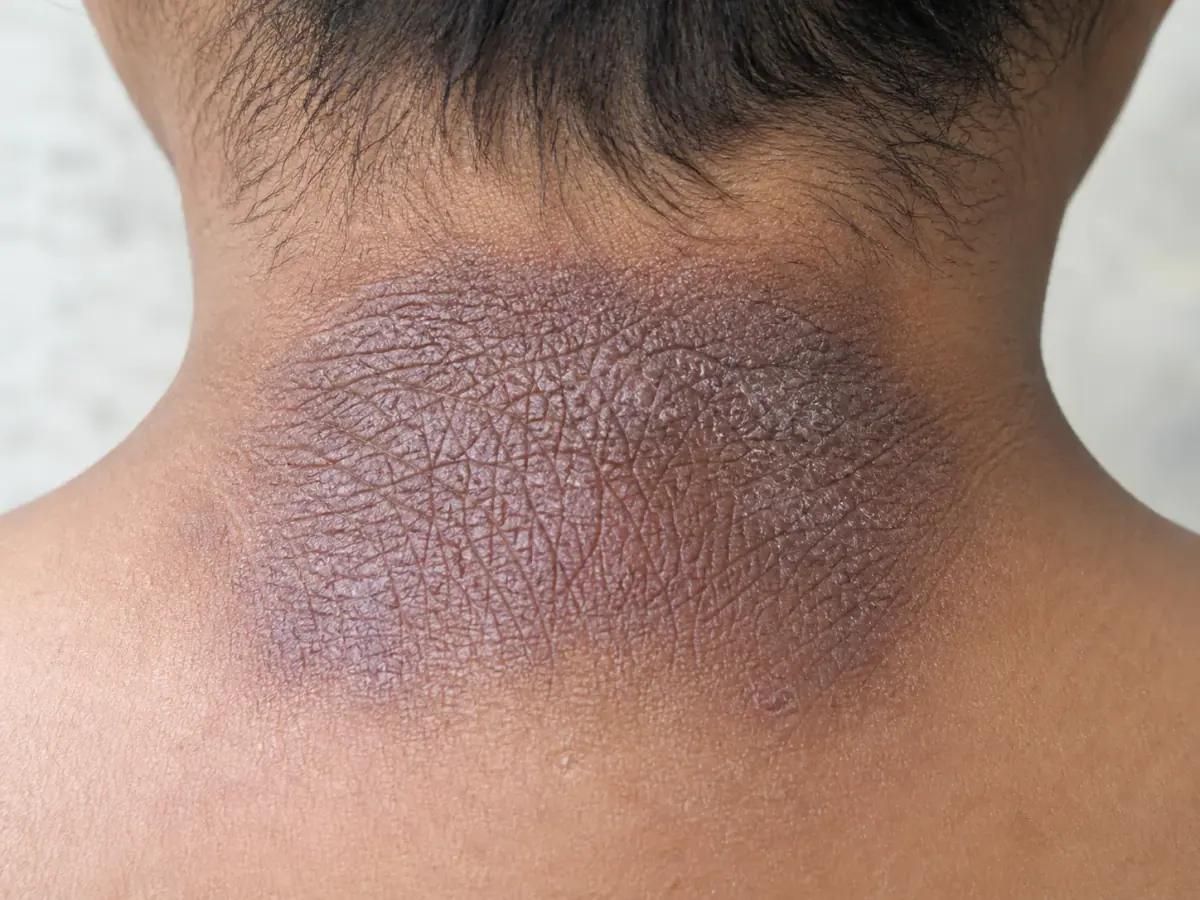
Lichen simplex chronicus often leaves coarse and thick skin lines in one area that has been scratched for a long time. We check if the urge to scratch occurs at night or during times of stress.
When planning herbal medicine treatment
Chronic Pruritus: The direction of herbal medicine treatment is determined based on your current prominent symptoms
Even if there are few distinct skin changes, skin temperature, dryness, scratch marks, and overall body condition vary by individual.
Pattern identification (Byeon-jeung) in Korean medicine is not about giving a different name to a disease. Multiple patterns can overlap in one person, and as the skin changes, for example, as oozing and heat decrease and dryness or cracking remain, the prescription is adjusted accordingly.
When itching is red and hot after exposure to heat or showering
- Primary skin observations
- We check if vivid redness and a sensation of heat remain over a wide area after scratching.
- Overall body condition to check alongside skin
- We check for thirst, heat in the upper body, and difficulty sleeping.
- Primary considerations for herbal medicine prescription
- The focus is on nourishing the blood and clearing heat to lower skin temperature and hypersensitivity.
When the skin is dry and itching worsens at night
- Primary skin observations
- We look for fine scales, cracks, and dry scratch marks.
- Overall body condition to check alongside skin
- We ask about dryness of the mouth and eyes, sensitivity to cold, and fatigue.
- Primary considerations for herbal medicine prescription
- The focus is on nourishing the blood, moisturizing dryness, and restoring the skin barrier and sleep.
When itching is worse in skin folds and the torso after sweating or exposure to humidity
- Primary skin observations
- We check for redness, skin breakdown, and a secondary infection (a 2nd infection) in damp areas.
- Overall body condition to check alongside skin
- We check for a feeling of heaviness in the body, bloating, and worsening symptoms after alcohol consumption.
- Primary considerations for herbal medicine prescription
- The focus is on reducing damp-heat, while first confirming the presence of infection.
When itching persists for a long time after an illness or during periods of fatigue
- Primary skin observations
- We check if wounds heal slowly and discoloration lasts a long time without significant redness.
- Overall body condition to check alongside skin
- We ask about loss of appetite, lack of sleep, and chronic fatigue.
- Primary considerations for herbal medicine prescription
- The focus is on supplementing Qi and blood and restoring digestion and immunity.
How is the herbal medicine prescription adjusted?
- Identifying the cause takes priority over pattern identification
We identify causes related to the skin, medications, systemic conditions, or neurological factors.
- We determine whether the primary focus should be heat and dryness, humidity, or recovery
Determine the overlapping weight for one person.
- Adjust the prescription based on the number of times you wake up during sleep and any new scratch marks.
Observe whether the itching time, nighttime awakenings, and new wounds decrease together.
When should I consider Korean herbal medicine treatment?
- When generalized itching and nighttime awakenings persist for more than 6 weeks even after a cause evaluation
- When scratching resumes immediately after pausing antihistamines or moisturizing treatments
- When dryness, heat, sleep, digestion, and fatigue fluctuate along with the itching
What will be asked during the medical evaluation?
- A map of the itchy areas and the sequence of initial skin changes and scratch marks
- Current medications, supplements, systemic diseases, and test results
- The number of times you wake up at night and changes following heat, showering, dryness, sleep, or digestion
If pus, pain, or redness spreads rapidly, or if you have a fever, lesions inside the eyes or mouth, shortness of breath, or sudden facial swelling, please visit a dermatology clinic or seek emergency care first. After confirming that such urgent situations are not present, Baekrokdam provides herbal medicine treatment for chronic and recurring skin diseases.
Consult about the progress of chronic pruritusFrequently Asked Questions
Frequently Asked Questions about Chronic Pruritus
Do I need medical evaluation for pruritus even if there is no rash?
Yes. For long-term itching, it is necessary to check not only skin dryness and skin diseases but also medications, systemic diseases, and neurological issues. The required examinations and tests are determined based on the distribution, duration, and accompanying symptoms.
Why are antihistamines not working well?
Not all itching is caused by histamine alone. Since responses can vary depending on whether the cause is dryness, neurological issues, or systemic diseases, the causes must be differentiated first.
What should I record before the medical evaluation?
Please prepare a map of the itchy areas, the time when it is most severe, the relationship with showering, heat, food, or medication, the number of times you wake up during sleep, and a list of medications and supplements.
What is evaluated in Korean herbal medicine treatment?
After ruling out potential causes, we determine the priority of the prescription by observing whether heat sensations, dryness, nighttime worsening, sleep, digestion, and fatigue fluctuate in tandem with the actual itching.
What should I record before a consultation for chronic pruritus?
A map of the itchy areas and the sequence of initial skin changes and scratch marks, current medications, supplements, systemic diseases and test results, the number of times you wake up at night, and changes following heat, showering, dryness, sleep, or digestion
References and update date
Doctor of Korean Medicine Choi Yeon-seung verified the content based on the official and professional materials below and updated it on 2026-08-23.
- American Academy of Dermatology, Uncontrollably itchy skin
- American Academy of Dermatology, Stop itchy skin in its tracks
- American Academy of Dermatology, Neurodermatitis treatment
- National Institute on Aging, Skin care and aging
- RCOG, Intrahepatic cholestasis of pregnancyObstetric evidence for immediate verification in cases of itching without rash, worsening on palms/soles or at night, jaundice, bile acid/liver function tests, or concerns regarding fetal movement