When only one area has been itchy for a long time
Distinguishing Localized Pruritus, Lichen Simplex Chronicus, and Neurogenic Itching When Only One Area of the Back, Neck, or Shin Itches
itchingIndicate the exact location where this first started, the difference between the left and right sides, photos before scratching, and the relationship between pain/numbness and neck/waist posture.
Click on unfamiliar terms to see their meanings immediately.
Itching may occur on one side of the back or arm without visible rashes, and Lichen Simplex Chronicus, where the skin texture thickens due to prolonged scratching, may develop secondarily. burning sensation·If tingling or decreased sensation is also present, we will check for neurological causes.
Points to check in the photos first
Even if they look similar, the dead skin, blisters, and borders may differ
We have provided both typical appearances and examples that look slightly different. Do not decide based on a single similar photo; compare how long symptoms like dead skin, wheals, comedones, or oozing have persisted in the same area.
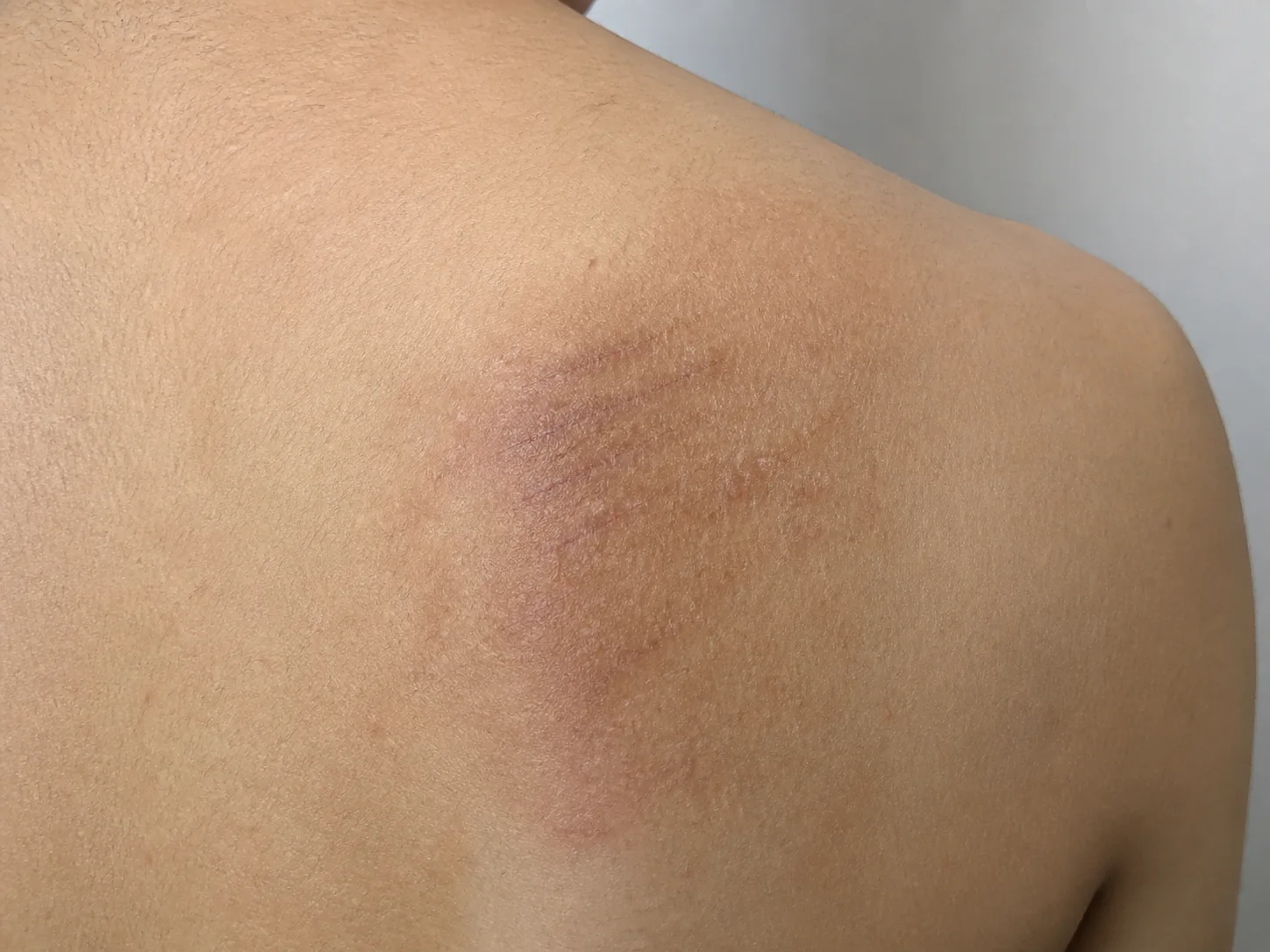
Localized itching in areas difficult to reach, such as one side of the back, is screened for both skin diseases and neurogenic pruritus. Please record any accompanying pain, numbness, and the distribution of symptoms.
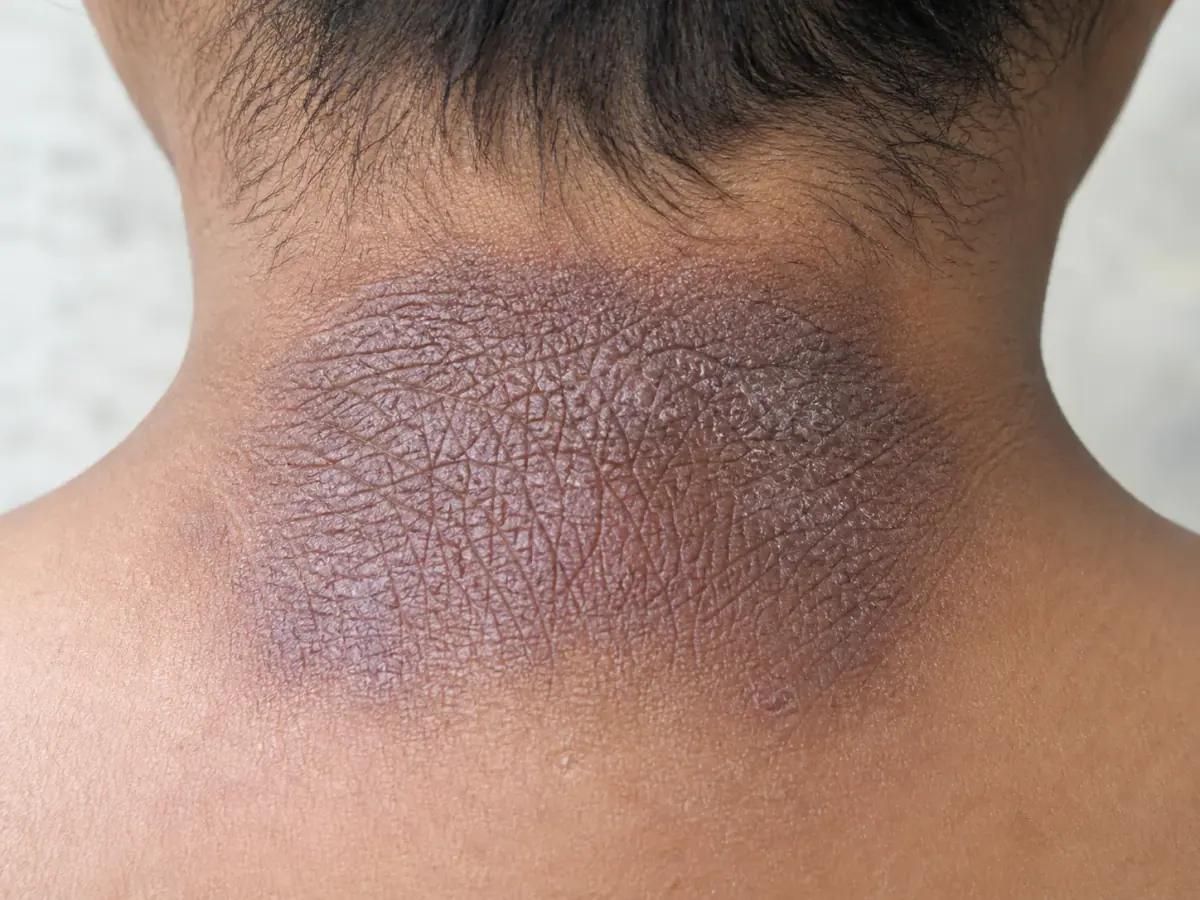
Lichen simplex chronicus often leaves coarse and thick skin lines in one area that has been scratched for a long time. We check if the urge to scratch occurs at night or during times of stress.
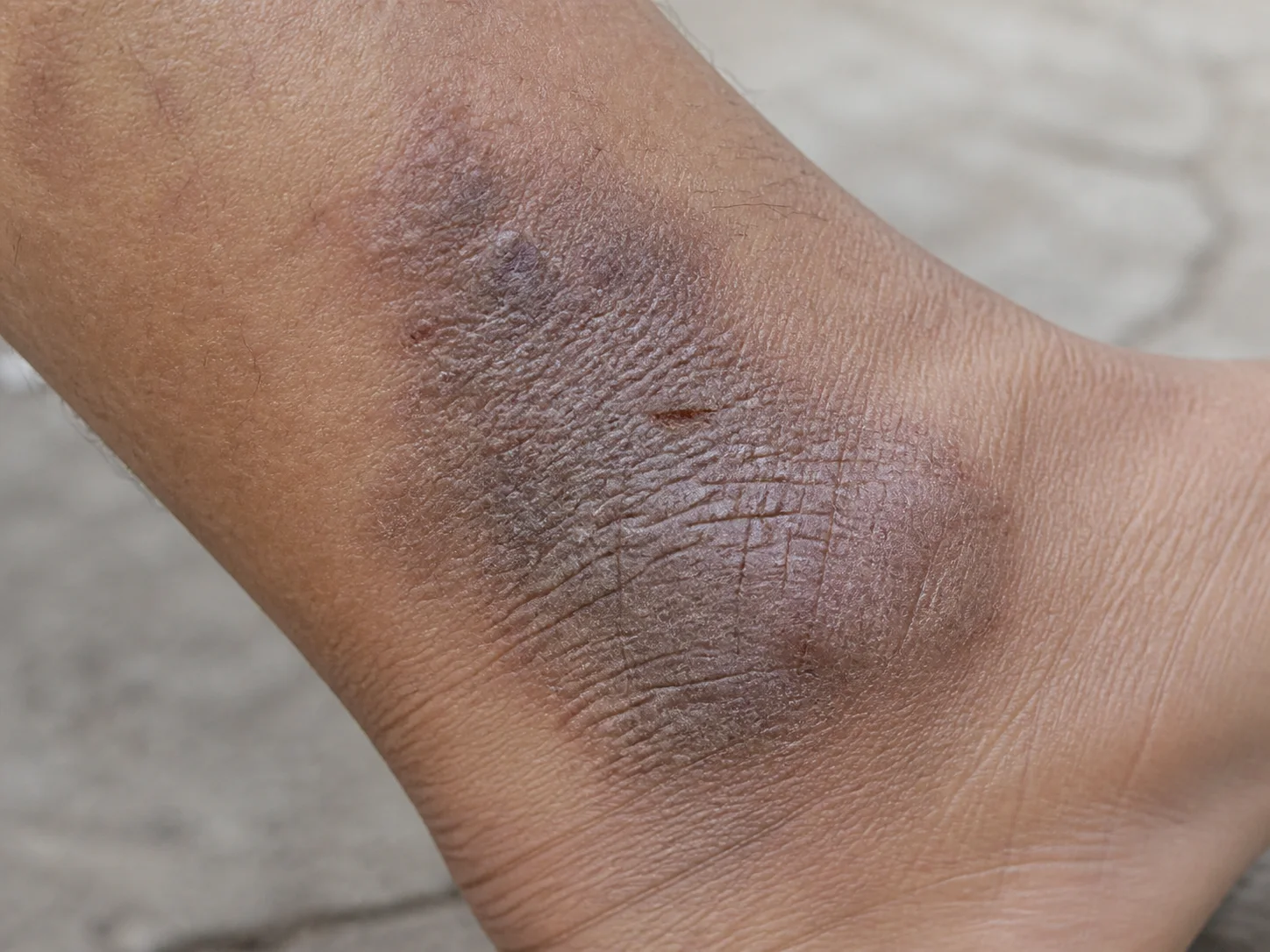
Thick, brown plaques can become fixed in areas that are repeatedly touched, such as the ankles. We examine the timing to determine whether the itching came first or if the habitual scratching started first.
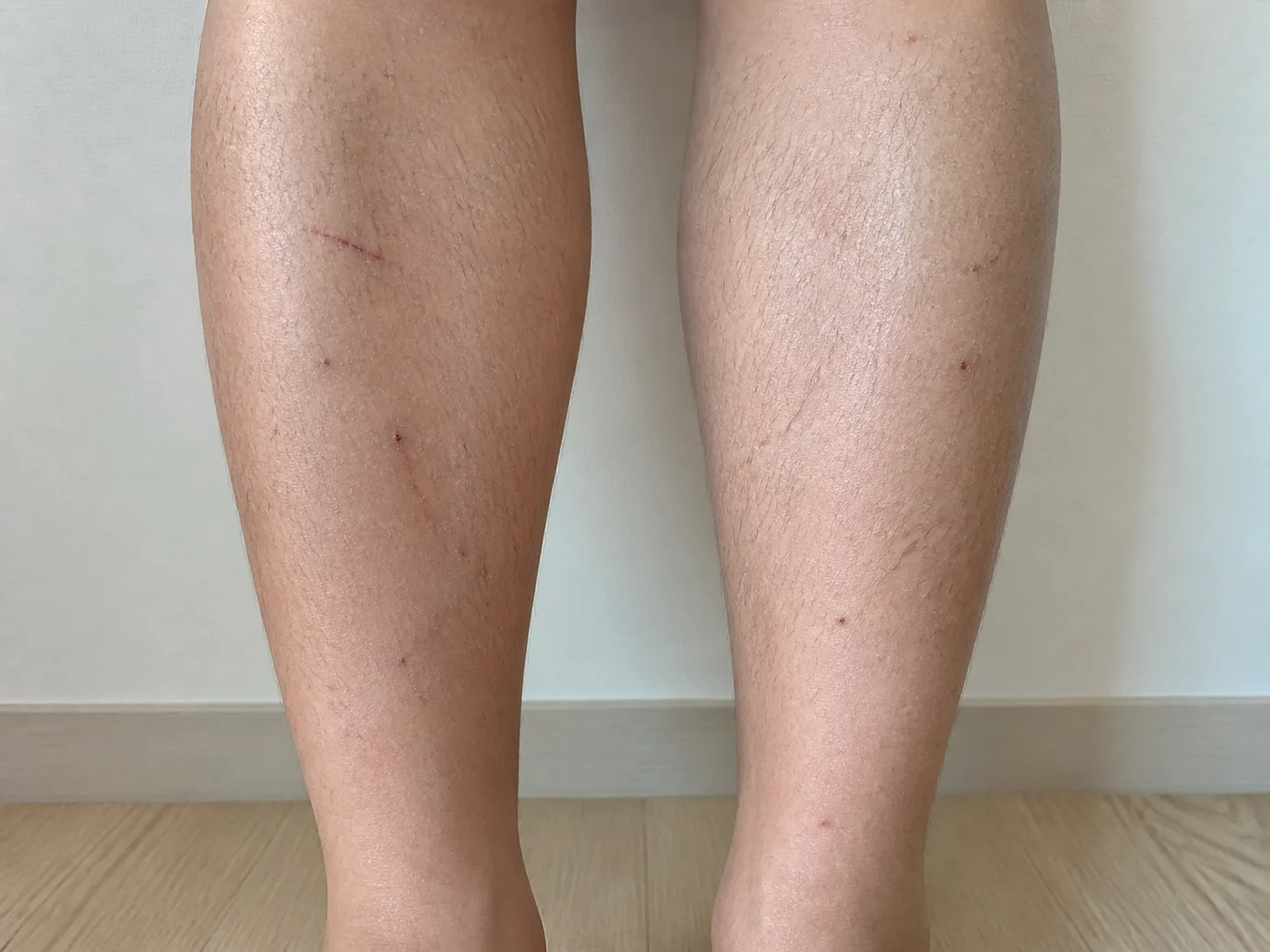
In cases of pruritus (itching), only wounds from scratching may be visible rather than the initial lesions. Please check for new medications, systemic diseases, dry environments, and the extent of nighttime itching.
| Points to check | Localized Pruritus | Lichen Simplex Chronicus | Possibility of Neuropathic Itch |
|---|---|---|---|
| Skin Appearance | May appear nearly normal or dry, or may only show scratch marks | Thickened skin texture and discolored plaques in areas of repeated scratching | A distinct primary (1st) rash may not be present |
| Sensation | Itching is the primary symptom | A cycle where scratching provides temporary relief but leads to more intense itching | May be accompanied by burning, tingling, a crawling sensation, or differences in sensation |
| Distribution | One area or several limited areas | Areas easy to reach, such as the nape of the neck, ankles, shins, and groin | May overlap with specific nerve distributions, such as one side of the back or arm |
| Verification | Causes related to products, friction, infection, or systemic factors | Times when itching leads to scratching, as well as sleep and tension | Neurological examination and history of neck, waist, or shingles |
Think back to whether you felt itchy before the skin became thick
The causes to be examined differ depending on whether the skin was thick from the start, or if skin that appeared normal became itchy first and then thickened after repeated scratching.
Please also note if you feel burning or numbness on only one side
If there is burning or numbness on only one side, sensitivity to the touch of clothing, or areas of diminished sensation, it cannot be explained by the skin surface alone. We also check for pain, posture, and a history of shingles.
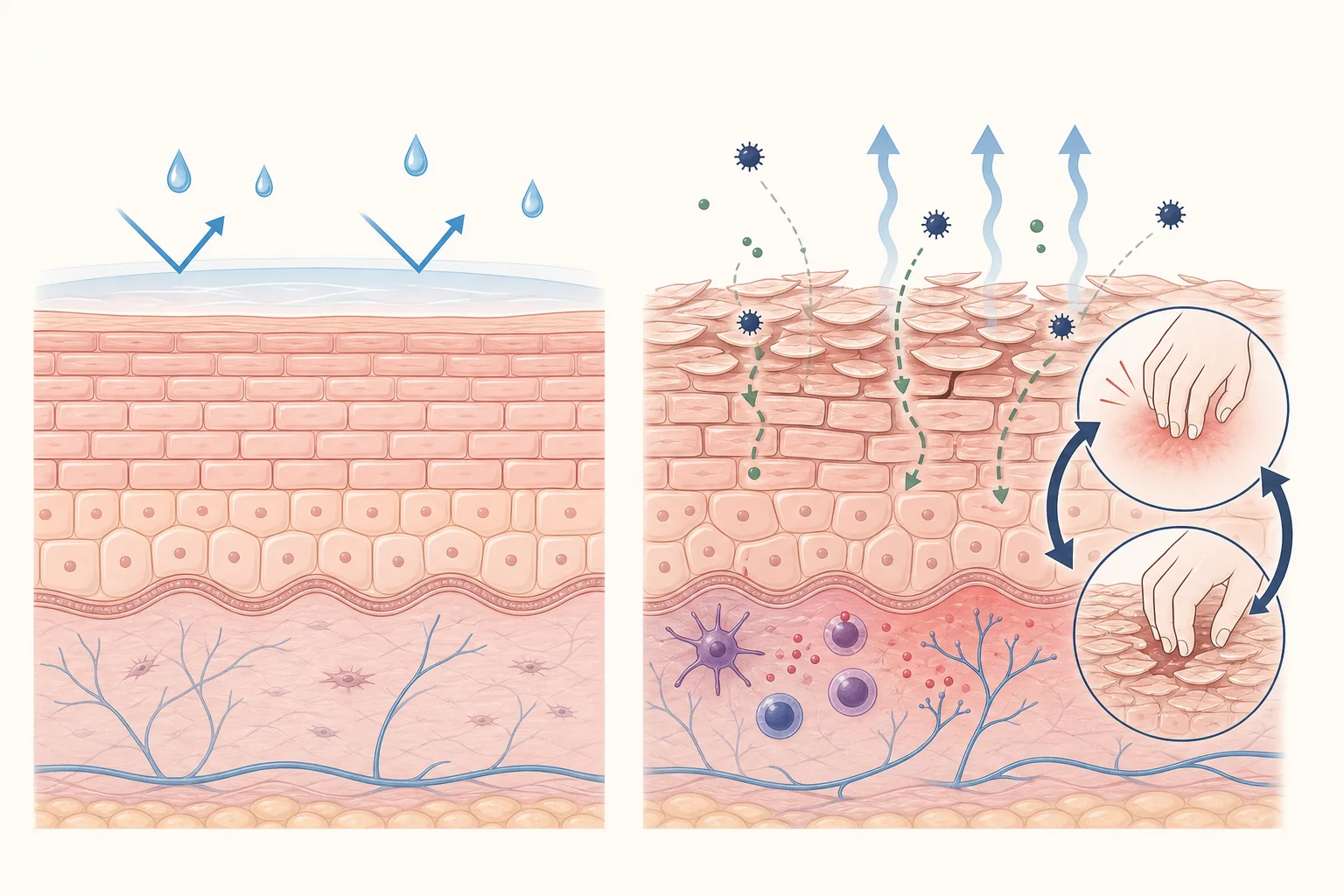
This is a simplified concept showing that when the barrier that retains moisture is disrupted, dryness and exposure to irritants increase, and itching and scratching can further damage the barrier.
Start by noting when you frequently feel the urge to scratch
Please record when and how often you start scratching, such as before falling asleep, when concentrating on work, or after showering. During treatment, we monitor not only the skin color but also whether the frequency of unconscious scratching and waking up from sleep has decreased.
Please mark the initial location of the itching and any difference between the left and right sides
Please bring photos taken before and after scratching, and notes on burning, numbness, sensory differences, neck/waist posture, and whether you have ever had shingles.
Please indicate the initial location of itching, differences between left and right, photos before and after scratching, and a history of burning, numbness, posture, and shingles.
Next reading
Content to follow
Why is only one specific spot on my back, neck, or shin itchy?
How can you distinguish between dermatitis and neurogenic itching?
When localized itching is chronic, does Korean herbal medicine treatment also consider the overall systemic condition?
Skin terms used in this differential guide
When herbal medicine treatment is the primary focus
We set the goals for herbal medicine treatment based on your previous treatments and when symptoms recurred
Even if there is little visible rash, itching can significantly disrupt sleep and concentration. Based on a necessary evaluation of systemic causes, herbal medicine treatment can be the primary focus to address nighttime worsening and the cycle of dryness and fatigue.
We ask where it appeared and when it worsened again
We examine the itchy areas and timing, skin changes before scratching, dryness and lichenification, as well as systemic changes including sleep, bowel movements, urination, and current medications.
We check if not only the itching, but also sleep and daily life are improving
We compare the frequency of waking up during the night, scratching wounds, the duration of itch-free time, and the recovery of daily activities.
We set the goals for herbal medicine treatment by identifying the problems that need to be resolved first
If there are causes that require immediate priority, such as infection or rapid worsening, those treatments come first. Subsequently, for herbal medicine treatment, we determine the primary goal of recovery by examining current discomfort, recurring patterns, sleep, digestion, and fatigue, and coordinate the sequence with necessary dermatological treatments.
While reducing aggravating factors through lifestyle management, herbal medicine treatment determines the initial target by analyzing the pattern of lesions, sleep, digestion, and fatigue through pattern identification (Byeonjeung). Necessary skin treatments are continued in accordance with the progress.
Consult about treatmentEvidence and Update Information
This content was organized by Korean medicine doctor Choi Yeon-seung and updated on 2026-08-23.