Pityriasis Rosea: Start with frequently asked questions
Points to check first
Pityriasis Rosea: Symptoms and when to seek medical evaluation immediately
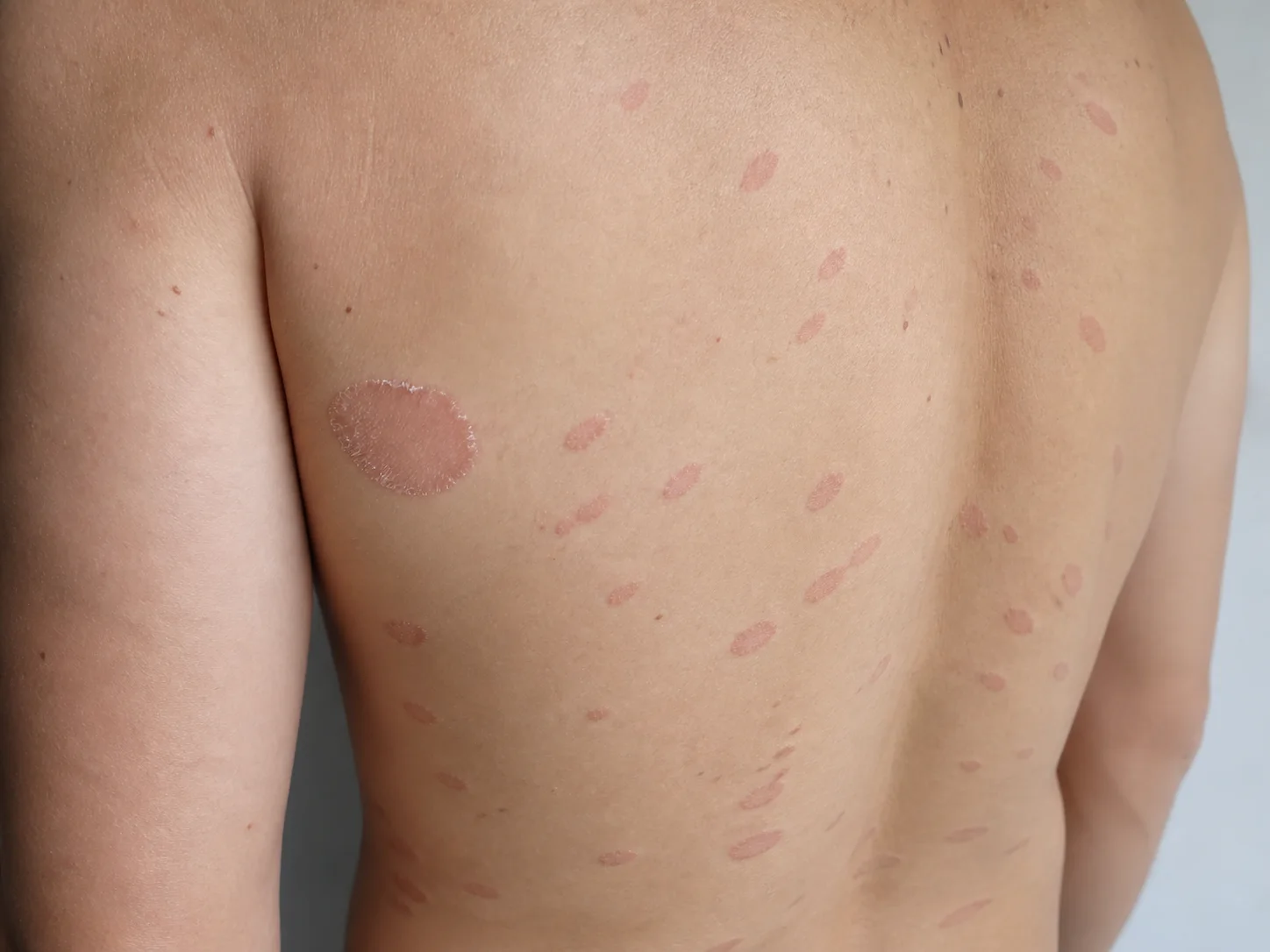
Pityriasis Rosea typically begins with a large, oval 'herald patch' with scaly edges on the chest, abdomen, or back, followed by smaller oval spots spreading to the torso and limbs. On the back, these may be arranged like a Christmas tree along the skin folds. Depending on skin tone, they may appear pink or red, as well as purple, gray, or brown, itchingand itching may be absent or severe. If you experience new rashes during pregnancy, painful blisters, mucosal skin changes, fever, difficulty breathing, or rapid worsening, you should seek medical evaluation promptly as other causes must be identified first.
Medical evaluation speed by symptom
Analyzing the pattern of spread and cases of pregnancy or severe rash
Rather than a single photo, we examine the initial skin changes, the order of spread, the surface texture, and systemic symptoms together.
| Observed changes | Possible Meaning | Action to Take Now |
|---|---|---|
| Small oval spots on the torso following a large herald patch | Typical Pityriasis Rosea pattern | Photos and progress records |
| Rash and itching along skin folds | Common distribution and symptoms | Skin examination and consultation on discomfort |
| New rash during pregnancy | Separate obstetric safety evaluation required | Contact obstetrics immediately |
| Painful blisters, mucosal skin changes, fever | Possibility of other severe skin reactions | Prompt medical evaluation |
| Persistence, rapid worsening, or no response to treatment | Re-evaluation of diagnosis required | Dermatology consultation |
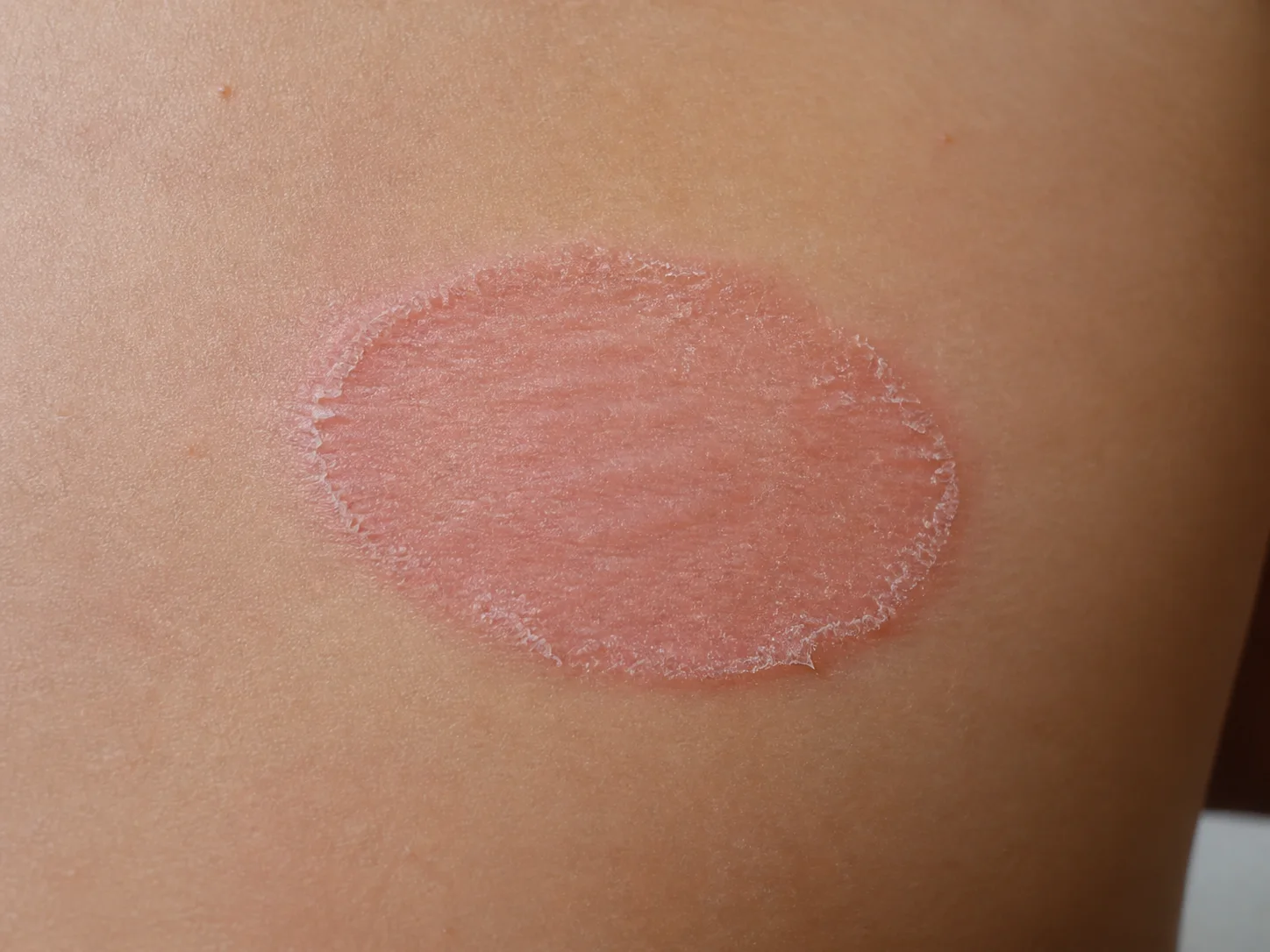
The progression where a large herald patch appears a few days before other spots serves as a clue. Please record the order in which they first appeared rather than providing a single photo.
Actual clinical photos and educational close-up examples are materials for comparing possible patterns and cannot be used for diagnosis alone. Mechanism diagrams have simplified complex processes.If these discomforts have recurred
For those who discovered a large spot on their back and small surrounding rashes while changing clothes in the morning
Pityriasis rosea often begins with a large primary patch, then spreads along the skin lines of the torso and improves naturally. Rather than rushing into Korean herbal medicine treatment, it is important to differentiate it from conditions such as tinea, drug eruptions, or psoriasis, and determine the necessity of treatment if itching and delayed recovery persist.
Those who have an increase in small oval spots on the chest, back, and abdomen after a single large spot
When you feel anxious because the torso rash continues to spread without receiving a diagnosis
Those whose torso rash spreads along skin folds and whose itching makes sleep uncomfortable
When the condition lasts longer than the expected course and you lose sleep due to itching
Those who are wondering if they can wait after developing a new rash during pregnancy
When similar rashes recur even after improvement, requiring differentiation from other diseases
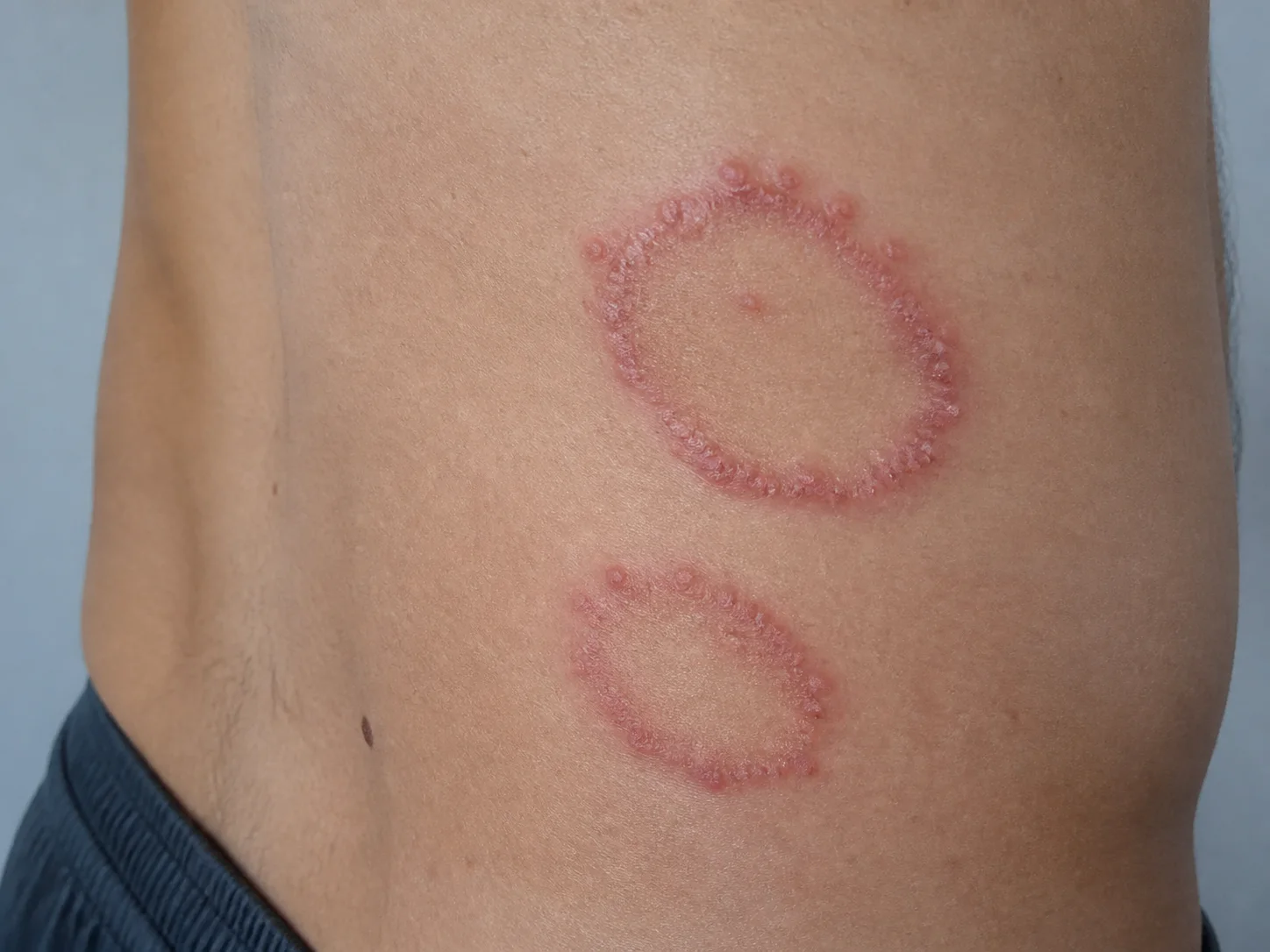
Tinea corporis is characterized by a ring-shaped pattern where redness and scaling are more active on the outer edge than in the center. We confirm the need for infection treatment after differentiating it from nummular eczema or pityriasis rosea.
Points to distinguish first
Pityriasis rosea: How to distinguish it from similar-looking skin diseases
Distinguishing pregnancy and severe skin reactions
We first check for pregnancy status, as well as blisters, mucosal skin changes, fever, and difficulty breathing.
Checking the date the first spot appeared and the order of spread
We compare the herald patch on the torso and the small rashes following the skin folds by date.
Checking how discomfort changes after a dermatological evaluation
While maintaining standard care, we record changes in itching, sleep, and the extent of the rash.
Why does it keep getting worse?
Reasons why pityriasis rosea persists or recurs
Please tell us about the first spot and the order in which they spread
We will use a photo timeline to check if one large spot appeared first and in which direction the rash subsequently spread.
The natural course of the condition is not exaggerated as if it were a chronic disease
We explain the course of typical cases; however, atypical distribution, prolonged duration, or severe systemic symptoms will be re-diagnosed.
We examine your overall physical condition when itching and recovery are prolonged
The focus of treatment is determined if there is a combination of itching that disrupts sleep, post-infection fatigue, or decreased digestion and recovery.
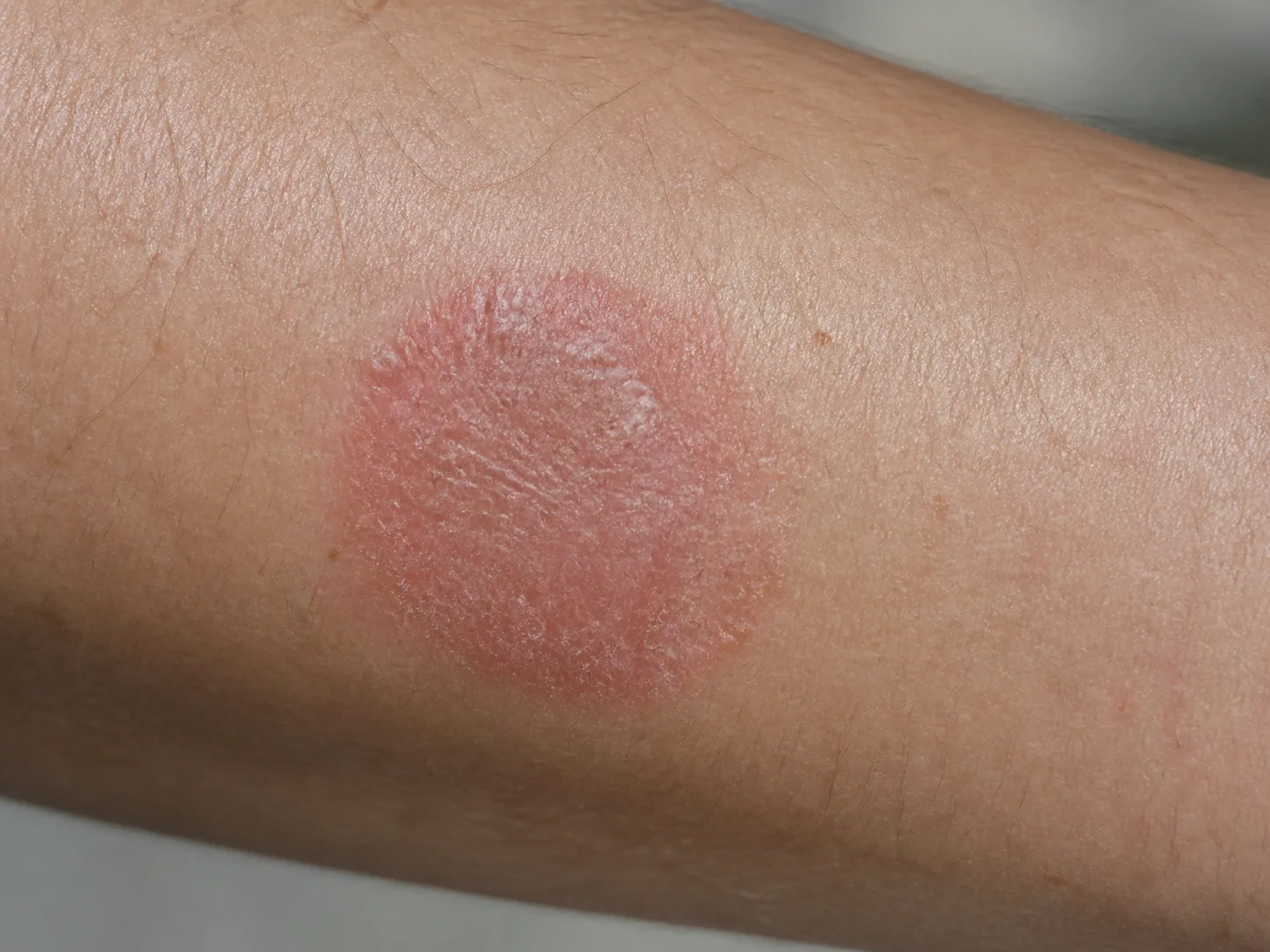
Eczema can also appear round, which may be confused with tinea or psoriasis. We examine whether the center fades, whether the keratin on the edges is prominent, and whether there has been oozing and a recurring course, along with information beyond the photos.
Things to prepare before your visit
What photos and records should I prepare before the medical evaluation?
Please prepare photos of the first spot and full-body photos by date, information on itching and sleep, your physical condition before the rash, any new medications or products, the number of weeks of pregnancy, and evaluations from dermatology or obstetrics.
Locating the large herald patch
We check for a large oval spot that appeared first on the torso and look for scales on the edges.
Observe in which direction the smaller spots spread
We compare daily photos to see if the rash spreads along the skin folds of the chest, back, and abdomen.
Do not look only for redness; observe brown, purple, or gray changes as well
Record not only pink and red colors but also purple, gray, and brown changes.
Changes to monitor during treatment
What changes should I monitor during treatment?
Photos of the first large spot and the subsequent order of spread
Please record when it started and how it has changed, including the dates. To make it easier to compare before and after, take photos of the same area from a similar distance and under similar lighting.
Medications or health supplements started and the period before and after infection
Please leave a brief note. Compare not only the visible changes but also whether your sleep, pain, and daily life have become less uncomfortable.
Itching, sleep, fever, and mucosal symptoms
Current medications used ·ointmentand the dates of any procedures received. This makes it easier to compare what improved or worsened after specific actions.
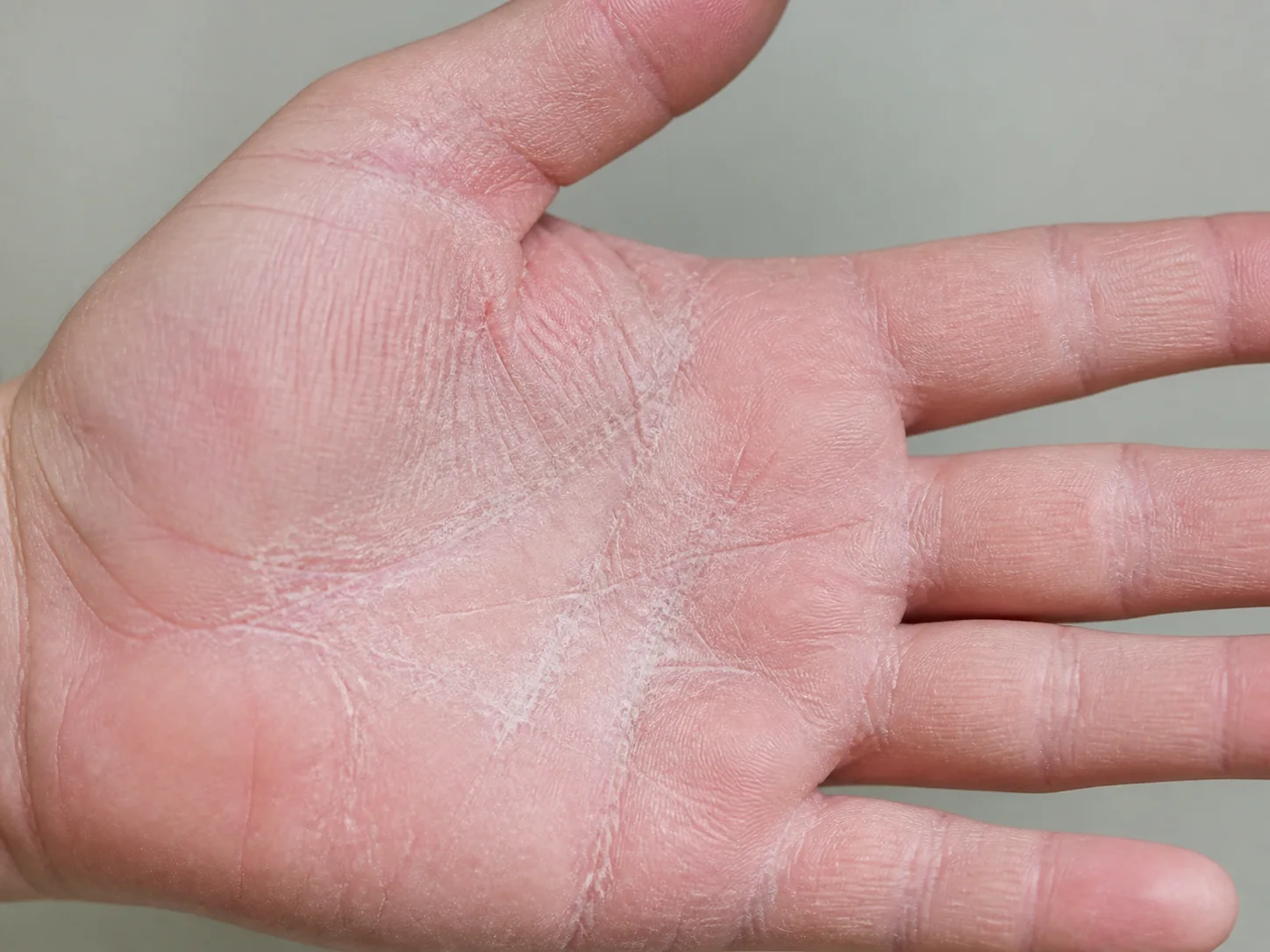
Tinea manuum can appear as fine scaling that is more severe on one hand, which can be confused with hand eczema. We consider accompanying athlete's foot and fungal tests together.
When planning herbal medicine treatment
For pityriasis rosea, the direction of Korean herbal medicine treatment is determined based on your current prominent symptoms
Typical pityriasis rosea should not have its natural recovery unnecessarily interrupted. However, we categorize the approach for symptom relief and recovery in cases of a heat-related phase with redness and itching, a phase with remaining dryness and scaling, post-infection fatigue and poor digestion, or prominent tension and sleep disruption.
Pattern identification (Byeon-jeung) in Korean medicine is not about giving a different name to a disease. Multiple patterns can overlap in one person, and as the skin changes, for example, as oozing and heat decrease and dryness or cracking remain, the prescription is adjusted accordingly.
When red spots spread rapidly and are itchy
- Primary skin observations
- We examine the speed of new spots, the intensity of redness, the presence of thin scales, and whether there are blisters or mucosal involvement.
- Overall body condition to check alongside skin
- Check if heat sensations, throat discomfort, or thirst remain after a cold.
- Primary considerations for herbal medicine prescription
- Rule out other acute rashes first, then gently reduce itching and heat.
When redness has decreased but dryness and flaking persist
- Primary skin observations
- Observe for fine scales, tightness, and scratch marks over faded spots.
- Overall body condition to check alongside skin
- Ask about skin dryness, nighttime itching, fatigue, and lack of sleep.
- Primary considerations for herbal medicine prescription
- Focus on supporting skin recovery and moisturizing rather than strong heat-clearing.
When energy and digestion have both declined following an infection
- Primary skin observations
- Check if the color and flaking of existing rashes fade slowly, even if new rashes are few.
- Overall body condition to check alongside skin
- Check for loss of appetite, loose stools, lethargy, and delayed recovery.
- Primary considerations for herbal medicine prescription
- Support natural recovery by strengthening the spleen, stomach, and overall energy.
When itching intensifies amidst anxiety and poor sleep
- Primary skin observations
- Observe if scratch marks increase at night compared to the day and if they are confused with new rashes.
- Overall body condition to check alongside skin
- Ask about tension, chest tightness, and difficulty falling asleep.
- Primary considerations for herbal medicine prescription
- Relieve itching, tension, and sleep issues together, without describing the condition as chronic.
How is the herbal medicine prescription adjusted?
- First rule out tinea, drug eruption, and psoriasis
Check the initial sequence, edge flaking, new medications, and atypical distribution.
- How to distinguish between natural progression and the need for treatment
Narrow the treatment goals if itching, sleep issues, or delayed recovery disrupt daily life.
- Adjust the prescription according to the rate at which new rashes decrease and the skin recovers
Observe the speed of spreading, itching, and whether flaking and skin color recover over time.
When should I consider Korean herbal medicine treatment?
- When feeling anxious because a rash on the torso continues to spread without receiving a diagnosis
- When symptoms last longer than expected or when itching interferes with sleep
- When similar rashes recur after improvement and differential diagnosis from other conditions is necessary
What will be asked during the medical evaluation?
- Photos of the first large patch and the subsequent order of spread
- Medications or health supplements started, and the timing before and after infection
- Itching, sleep, fever, and mucosal symptoms
Things to prepare before the consultationPlease prepare photos of the first patch and full-body photos by date, information on itching and sleep, physical condition before the rash, any new medications or products, weeks of pregnancy, and evaluations from dermatology and obstetrics.
If pus, pain, or redness spreads rapidly, or if you have a fever, lesions inside the eyes or mouth, shortness of breath, or sudden facial swelling, please visit a dermatology clinic or seek emergency care first. After confirming that such urgent situations are not present, Baekrokdam provides herbal medicine treatment for chronic and recurring skin diseases.
Consult about the progress of Pityriasis RoseaFrequently Asked Questions
Frequently Asked Questions about Pityriasis Rosea
What is the first symptom of Pityriasis Rosea?
It is common for a herald patch, a large, oval patch with scales on the edges, to appear first on the torso.
How do the small rashes spread?
Following the herald patch, small oval patches may spread along the skin folds on the chest, back, and abdomen.
Is Pityriasis Rosea itchy?
Itching may be almost nonexistent or severe enough to interfere with sleep.
Can I wait and see if a rash occurs during pregnancy?
No. If a new rash appears during pregnancy, notify your obstetrician immediately and receive the necessary differential diagnosis.
Which virus causes Pityriasis Rosea?
While a viral link has been suggested, a specific virus has not been confirmed as the cause for all patients. The typical sequence of skin changes and the possibility of other conditions are confirmed through medical evaluation.
Should I use separate towels to prevent it from spreading to my family?
Pityriasis Rosea itself is not a typical contagious infection that spreads between people. However, before diagnosis, it is advisable to confirm that it is not a similar condition, such as tinea.
If it appeared after taking medication, should I stop the medication immediately?
Do not discontinue medication on your own; notify the prescriber of the product name, start date, and photos of the rash. If there is pain, blisters, mucosal skin changes, facial swelling, or difficulty breathing, an acute evaluation takes priority.
References and update date
Doctor of Korean Medicine Choi Yeon-seung verified the content based on the official and professional materials below and updated it on 2026-08-23.
- AAD, Pityriasis rosea signs and symptomsHerald patch, spread to the torso, color by skin tone, itching, and systemic symptoms
- NHS, Pityriasis roseaThe large herald patch and the spread of small patches, itching, and medical evaluation criteria during pregnancy
- American Academy of Dermatology, Pityriasis rosea: FAQsUnclear exact cause with a possibility of viral relation, non-contagious, rashes similar to those from medication or vaccination, and grounds for obstetric consultation during pregnancy
- American Academy of Dermatology, Pityriasis rosea diagnosis and treatmentSkin diagnosis and natural course; re-evaluation required for severe symptoms, pregnancy, or continuous worsening
- NHS, RingwormCircular rashes, scaling, dryness, edema, and itching depending on skin color and area, as well as symptoms on the scalp and groin