Neurodermatitis: Start with the topics you are curious about
Points to check first
Neurodermatitis: Symptoms and when to seek prompt medical evaluation
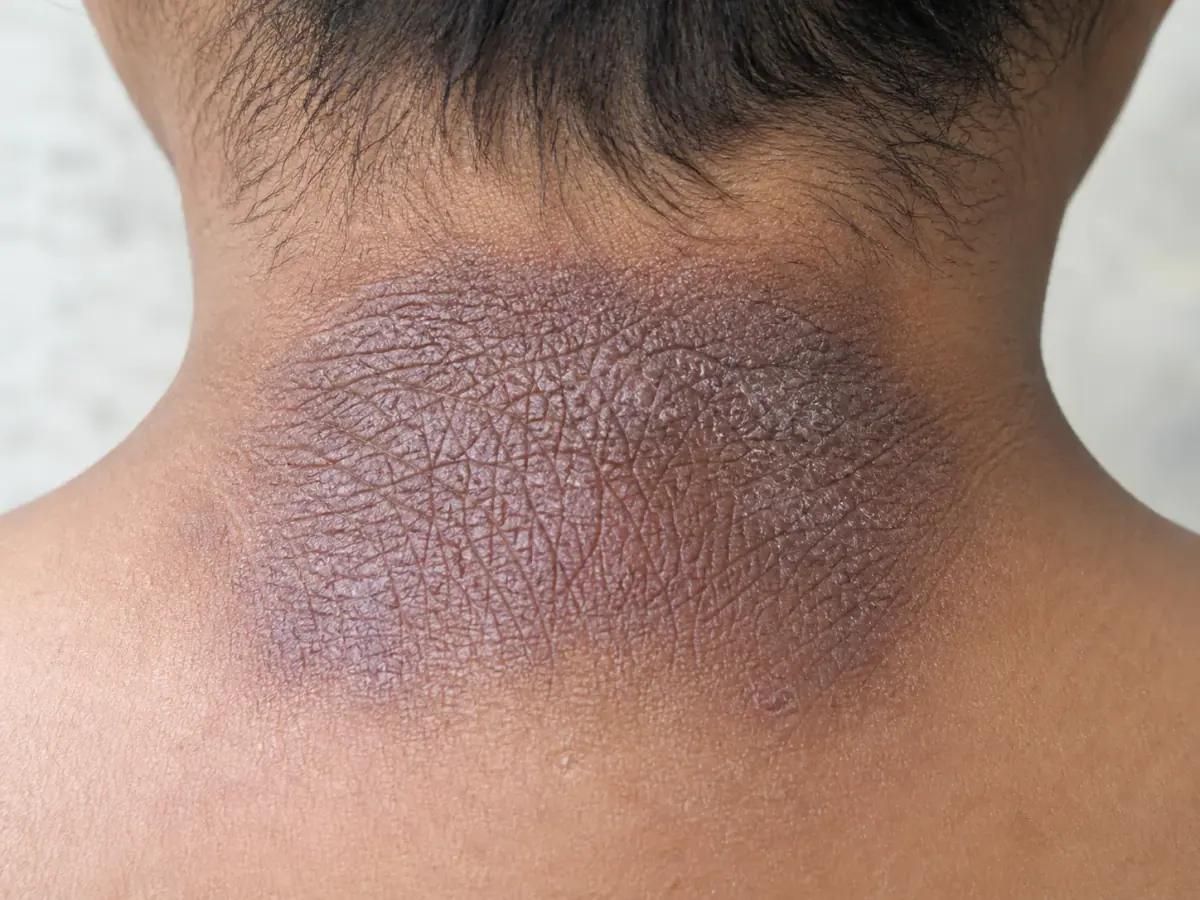
The representative symptom of neurodermatitis is intense itching that repeats in one or two areas itchingThis refers to thick, rough skin that develops from continuously scratching or rubbing the affected area. It is common on the back of the neck, scalp, arms, legs, ankles, and groin; skin lines may become prominent, and the color may differ from the surrounding skin. Itching fluctuates but often worsens during rest or before falling asleep, which can disrupt sleep. Repeated scratching can cause abrasions or bleeding; if oozing, pus, pain, or heat occurs, an infection should be suspected.
Symptom Classification
Symptoms of itching and lichenification are evaluated separately from signs of wounds and infection
Both visible skin changes and disruptions to daily life are assessed together.
| Visible Changes | Experienced Symptoms | Meaning | Action |
|---|---|---|---|
| Scratch marks in one or two areas | Strong itching that fluctuates | Initial repeated irritation | Record photos and time of occurrence |
| Thick, rough plaques or coarse skin lines | Urge to rub the area | Chronic lichenification | Dermatological examination and prevention of scratching |
| Color darker or lighter than the surrounding area | Itching and sensitivity | Repeated inflammation and friction changes | Track treatment response |
| Abrasions, bleeding, or scabs | Stinging or pain | Damage from repeated scratching | Wound protection and medical examination |
| Oozing, pus, or rapid redness | Heat sensation, pain, or fever | Possibility of skin infection | Same-day medical evaluation |
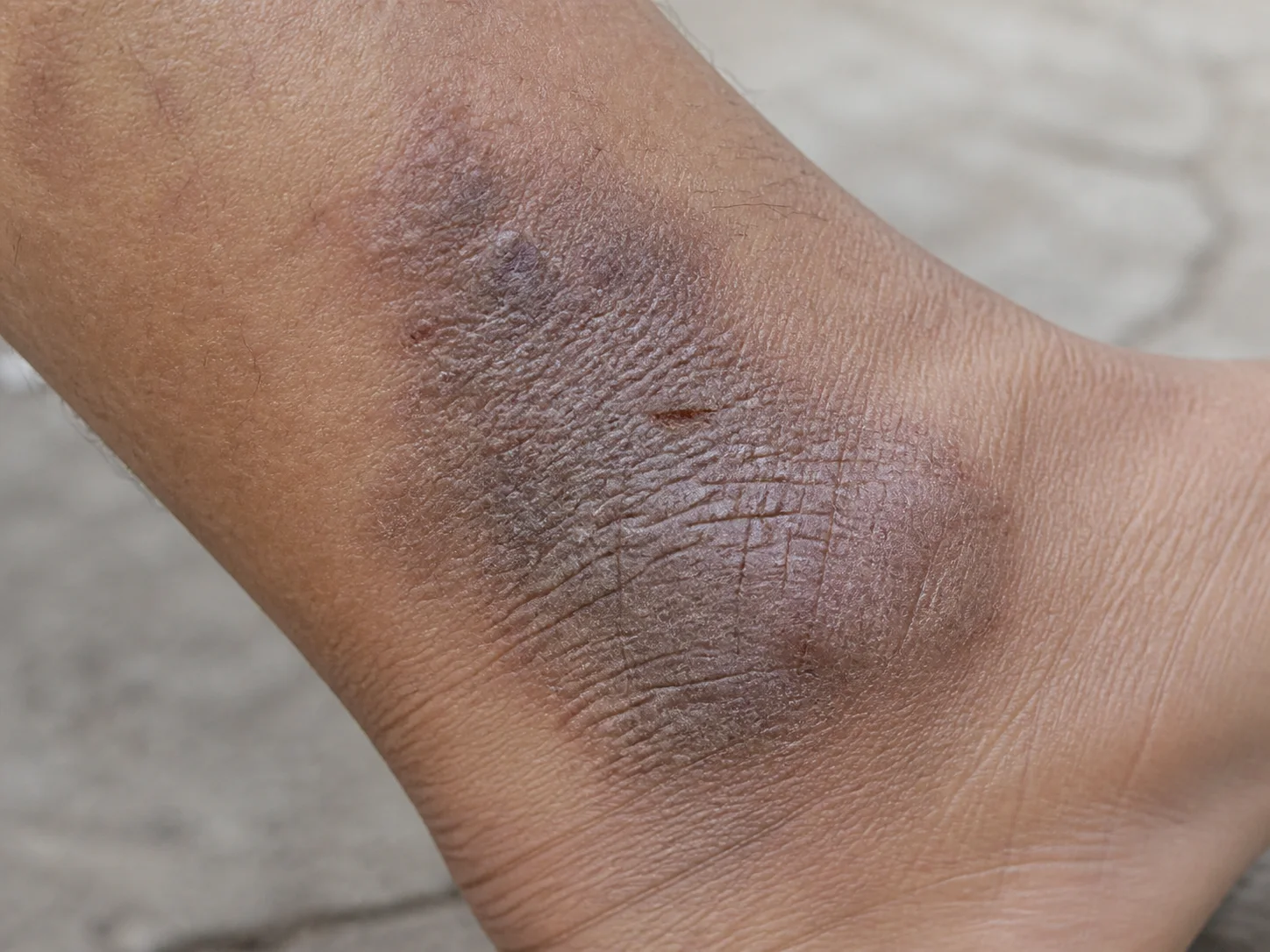
Thick, brown plaques can become fixed in areas that are repeatedly touched, such as the ankles. We examine the timing to determine whether the itching came first or if the habitual scratching started first.
Actual clinical photos and educational close-up examples are materials for comparing possible patterns and cannot be used for diagnosis alone. Mechanism diagrams have simplified complex processes.If these discomforts have recurred
For those checking for itching and skin thickening in the same area
Lichen simplex chronicus causes the skin texture to thicken in areas that are repeatedly touched, such as the nape of the neck, ankles, shins, and groin. Along with the heat and dryness of skin changes, it involves sleep, tension, and habitual scratching Byeonjeung (pattern identification).
For those who frequently wake up at night from scratching the back of the neck or ankles
When the skin has thickened after scratching the same areas, such as the nape of the neck, ankles, or groin, for several months
Those whose skin lines have thickened from unconsciously rubbing one area during work
ointmentWhen nighttime itching and the habit of scratching return soon after pausing the use of ointment
Those experiencing persistent itching in sensitive areas that are difficult to discuss, such as the groin or scalp
When there is a strong feeling that stress, insomnia, and itching are exacerbating each other
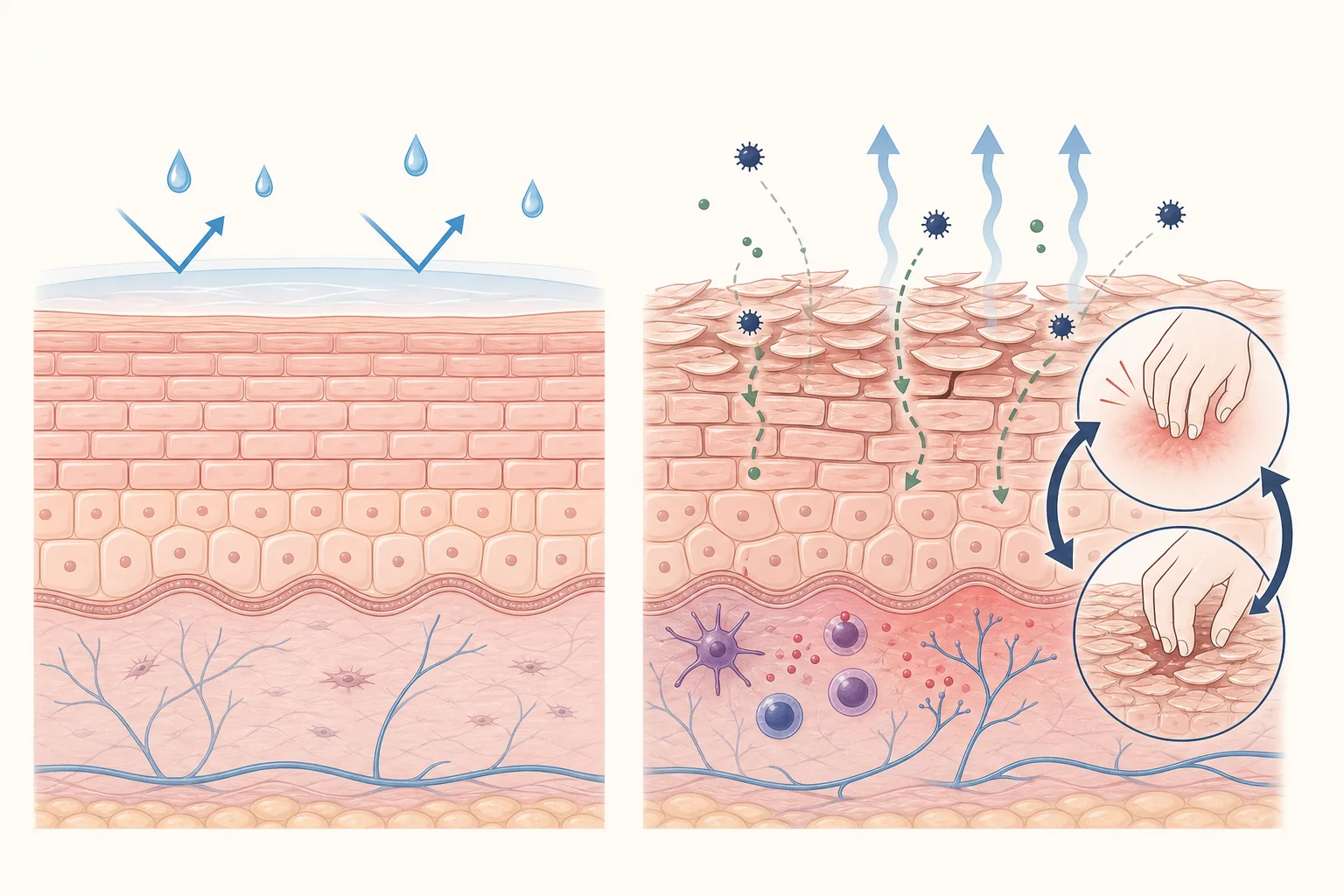
This is a simplified concept showing that when the barrier that retains moisture is disrupted, dryness and exposure to irritants increase, and itching and scratching can further damage the barrier.
Conceptual reference · NIAMS Atopic DermatitisPoints to distinguish first
How to distinguish neurodermatitis from similar-looking skin conditions
Distinguishing infection, severe changes, and crises
We first check for pain, heat sensation, pus, fever, blisters, skin peeling, and mental health crises resulting from loss of sleep.
Keep a record of skin condition, itching, and sleep together
We observe whether the location, thickness, and color of skin changes, the timing of itching and scratching, and disruptions to sleep, work, and activities are interconnected.
Supporting only chronic functional burdens
While maintaining dermatological treatment and blocking the urge to scratch, we track whether the time without itching and the functions of sleep and concentration increase.
Why does it keep getting worse?
Reasons why neurodermatitis persists or recurs
Examine when the frequent scratching began before the skin thickened
Identify the scenarios where scratching starts, such as before falling asleep, during concentration, or after experiencing stress.
Distinguish between re-exacerbation with redness and oozing, and long-term lichenification
Separate the priorities between current inflammation and the recovery of the thickened skin barrier.
Observe how the timing of scratching due to itching relates to sleep and tension
The cycle of fatigue from poor sleep leading back to itching is used as a key indicator for Korean herbal medicine treatment.
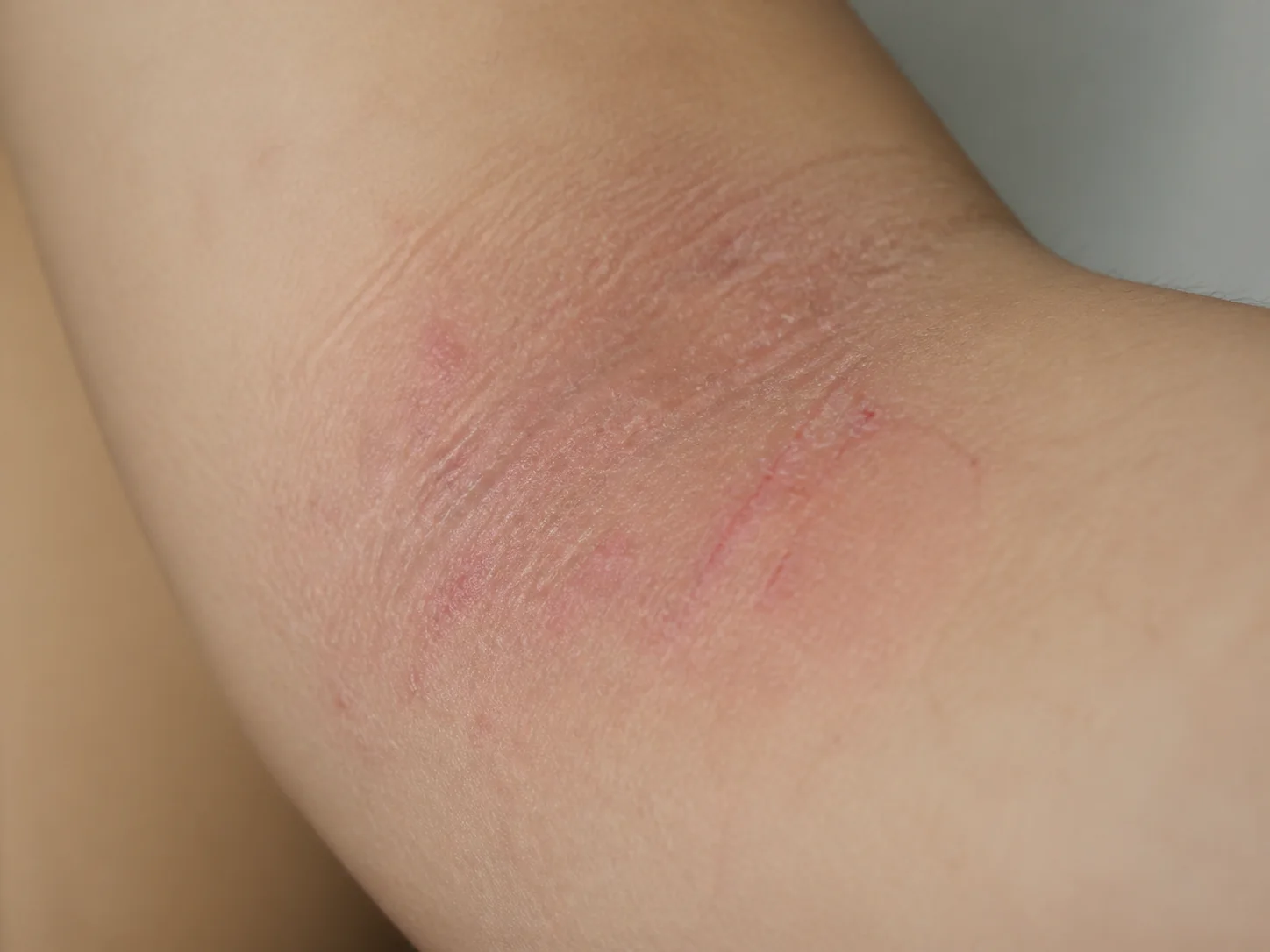
We examine dryness, fine flaking, skin texture, and scratch marks in the folding areas. Contact dermatitis or infections with similar appearances are distinguished through progress monitoring and examination.
Things to prepare before your visit
What photos and records should I prepare before the medical evaluation?
Preparing close-up photos of skin changes, the timing of itching and scratching, the number of times you woke up, disruptions to work or exercise, and the products or topical agents used will help in determining the priorities for Korean herbal medicine treatment.
One or two areas are extremely itchy
Itching may be constant or fluctuate, and it is common in reachable areas such as the back of the neck, scalp, arms, legs, ankles, and groin.
The skin becomes thick and rough
After repeated scratching or rubbing, plaques with prominent skin lines may form, and the color may appear darker or different from the surrounding skin.
Scratching is repeated unconsciously
At first, you may scratch to reduce itching, but over time, it can become a habit of touching and rubbing without realizing it.
Changes to monitor during treatment
What changes should I monitor during treatment?
Times and places where you touch the area most
Please record when it started and how it has changed, including the dates. To make it easier to compare before and after, take photos of the same area from a similar distance and under similar lighting.
Current primary state: redness/oozing vs. dryness/thickening
Please leave a brief note. Compare not only the visible changes but also whether your sleep, pain, and daily life have become less uncomfortable.
Number of times awakened from sleep, tension, clothing friction, sweat
Please also include the dates of any medications, ointments, or procedures you are currently using. This makes it easier to compare what led to improvement or worsening.
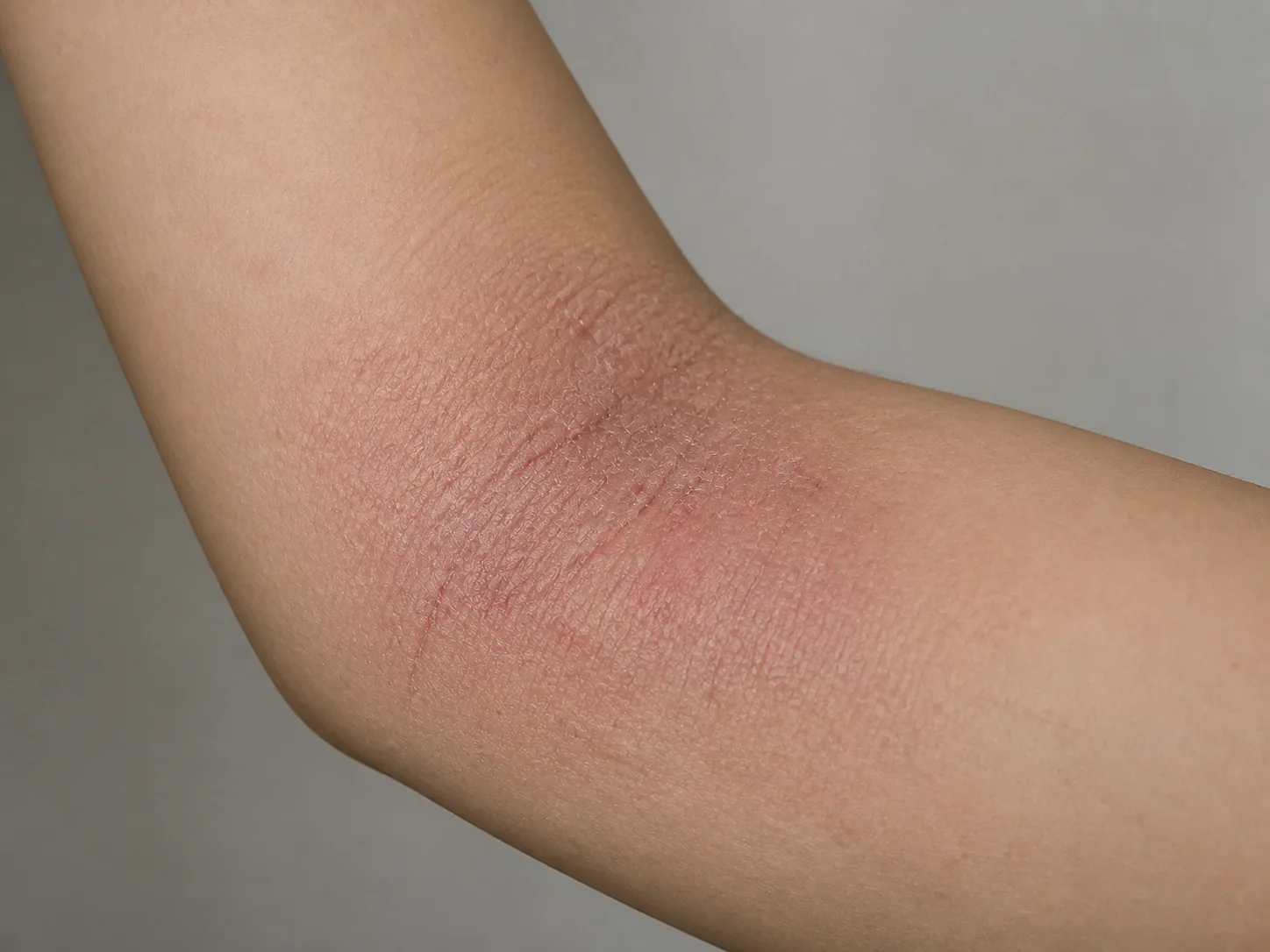
In pediatric atopy, skin folds such as the inner elbows and behind the knees may become more prominent as the child grows. Record nighttime itching and scratch wounds together.
Conceptual reference · American Academy of Dermatology, Atopic dermatitis overviewWhen planning herbal medicine treatment
Neurodermatitis: The direction of herbal medicine treatment is determined based on the current prominent symptoms
We do not look only at the result of thickened skin. Prescriptions vary depending on whether the area has become red and hot again, whether it is dry and cracking, whether you touch it during anxiety or tension, or whether it is an area with significant sweat and friction.
Pattern identification (Byeon-jeung) in Korean medicine is not about giving a different name to a disease. Multiple patterns can overlap in one person, and as the skin changes, for example, as oozing and heat decrease and dryness or cracking remain, the prescription is adjusted accordingly.
When thickened plaques become red and hot again
- Primary skin observations
- We look for vivid redness, heat sensation, oozing, and new scratch wounds.
- Overall body condition to check alongside skin
- We check if itching flares up after heat, alcohol consumption, or lack of sleep.
- Primary considerations for herbal medicine prescription
- The focus is on nourishing the blood and clearing heat to reduce active heat and itching.
When the skin texture is coarse and dry, and itching worsens at night
- Primary skin observations
- We look for thickening, scaling, cracking, pigmentation marks, and dryness.
- Overall body condition to check alongside skin
- We ask about dry skin and mouth, fatigue, and disturbances in nighttime sleep.
- Primary considerations for herbal medicine prescription
- The focus is on nourishing the blood and moisturizing dryness to hydrate and restore the skin.
When scratching occurs unconsciously during anxiety, concentration, or stress
- Primary skin observations
- We check if scratch wounds in a specific direction are concentrated in one easily reachable spot.
- Overall body condition to check alongside skin
- We check for chest tightness, difficulty falling asleep, tension in the neck and shoulders, and digestive discomfort.
- Primary considerations for herbal medicine prescription
- We add soothing the liver and relieving stagnation to reduce both tension and itching responses, along with restoring sleep.
When sweat and friction overlap, such as in the groin or ankles
- Primary skin observations
- Check for soreness, redness, thickening, and the boundaries of clothing or shoes.
- Overall body condition to check alongside skin
- Inquire about sweat, moisture, heaviness in the lower body, and bloating.
- Primary considerations for herbal medicine prescription
- Focus on reducing damp-heat and itching while changing the environment causing friction.
How is the herbal medicine prescription adjusted?
- Identify the triggers that start the scratching
Record recurring triggers among nighttime, tension, sweat, and friction.
- Distinguish between current inflammation and long-term lichenification
Adjust the proportion of clearing heat and removing dampness versus moisturizing, promoting blood circulation, and relieving stress in stages.
- Observe not only the itching but also the frequency of scratching
Check if the number of times waking up at night, unconscious scratching, and thickened skin texture are decreasing together.
When should I consider Korean herbal medicine treatment?
- When the skin has thickened from scratching the same area (nape of the neck, ankles, or groin) for several months
- When nighttime itching and scratching habits return soon after pausing ointment use
- When there is a strong feeling that stress, insomnia, and itching are exacerbating each other
What will be asked during the medical evaluation?
- The time and place where scratching occurs most frequently
- Whether the current primary symptom is redness and oozing, or dryness and thickening
- Number of times waking up, tension, clothing friction, and sweat
Things to prepare before the consultationPreparing overall and close-up photos of skin changes, the timing of itching and scratching, the number of times waking up, interference with work or exercise, and any products or topical agents used will help in determining the priority of Korean herbal medicine treatment.
If pus, pain, or redness spreads rapidly, or if you have a fever, lesions inside the eyes or mouth, shortness of breath, or sudden facial swelling, please visit a dermatology clinic or seek emergency care first. After confirming that such urgent situations are not present, Baekrokdam provides herbal medicine treatment for chronic and recurring skin diseases.
Consult about the progress of neurodermatitisFrequently Asked Questions
Frequently Asked Questions about Neurodermatitis
What does neurodermatitis look like?
You may see scratch marks in one or two areas, thick and rough plaques with prominent skin lines, and color changes that differ from the surrounding skin.
Where is it commonly found?
It is common in areas that are easily reachable and prone to repeated scratching, such as the back of the neck, scalp, arms, legs, ankles, and groin.
Why is it more difficult at night?
Itching often becomes more prominent while resting or before falling asleep, which can increase unconscious scratching and make it difficult to fall or stay asleep.
When should I suspect an infection?
If you experience pain, heat, oozing, pus, rapid spreading of redness, or a fever, a medical evaluation is required on the same day.
What is the direct cause of neurodermatitis?
The core is a cycle where itching in one or two areas and repeated scratching or rubbing reinforce each other, causing the skin to become thicker and itchier.
Will it get better if I eliminate stress?
Reducing tension is helpful, but existing skin inflammation, lichenification (thickening of the skin), and other causes of itching must be treated together.
Why do I scratch more at night?
Itching can become more prominent when resting or before falling asleep, and unconscious scratching may recur; therefore, we record the time of day and sleep disturbances.
References and update date
Doctor of Korean Medicine Choi Yeon-seung has verified the content based on the official and professional materials below and updated it on 2026-08-30.
- AAD, Neurodermatitis overviewAffected area, itching, lichenification, sleep disturbance, and wound symptoms
- AAD, Neurodermatitis diagnosis and treatmentEvaluation of infection and similar diseases, and treatment context by symptom
- American Academy of Dermatology, Atopic dermatitis diagnosis and treatmentThe role of skin examination, symptom inquiry, and selective skin biopsy
- NIAMS, Atopic Dermatitis: Diagnosis, Treatment, and Steps to TakeMedical history, exposure to irritants, skin examination, and selective blood or tissue biopsies
- NHS, Atopic eczemaContinuous moisturizing, local steroids, and symptoms suspected to be infection or pompholyx (dyshidrotic eczema)