Start with the topics you are curious about regarding warts
Points to check first
Wart symptoms and when to seek prompt medical evaluation
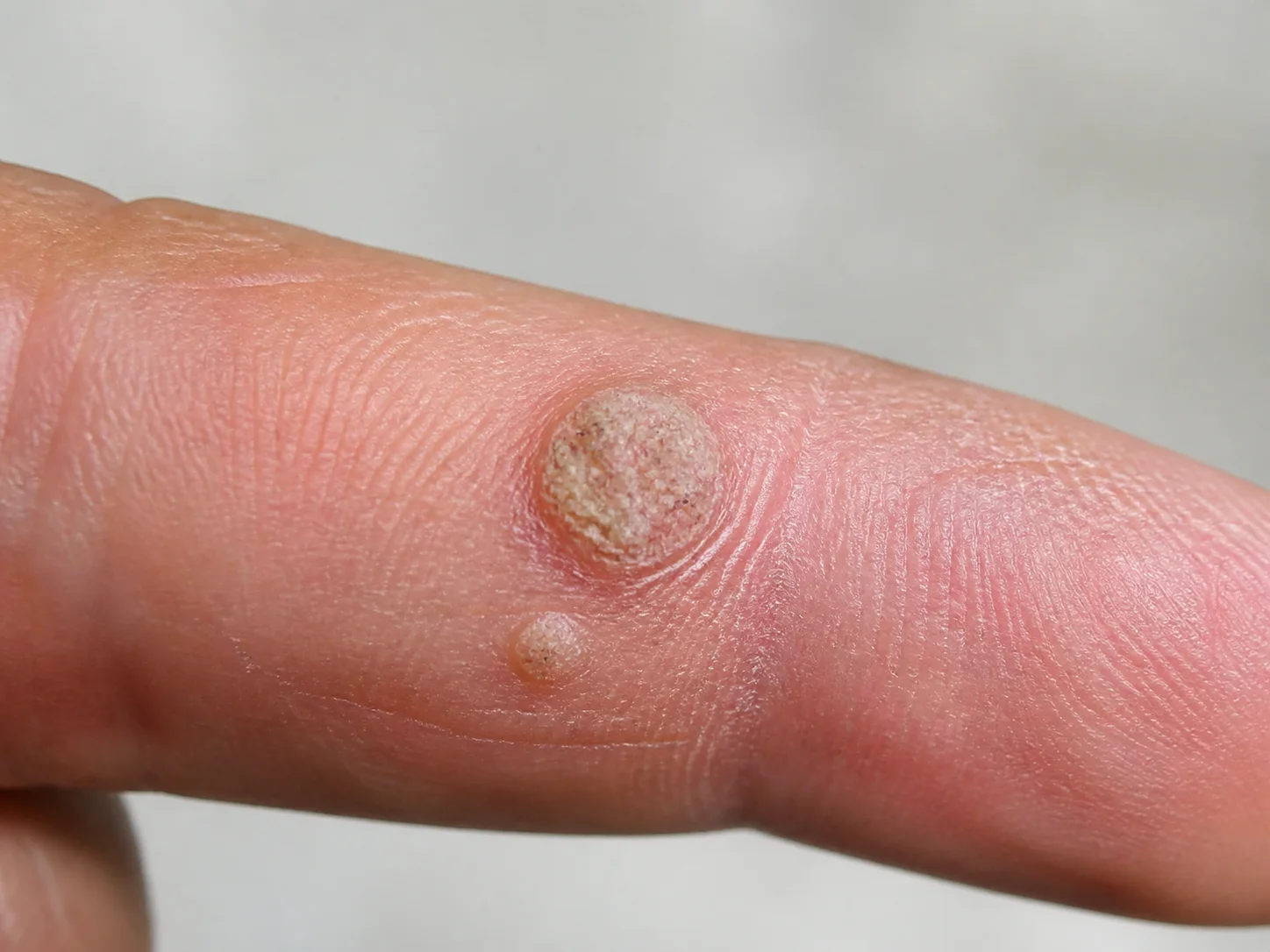
Warts are hard or rough bumps that develop slowly on the skin; they vary in shape, appearing round, flat, smooth, or like cauliflower or threads. Some have small black dots that look like seeds, which are actually blood vessels. Warts on the soles of the feet grow under thick keratin and may feel like stepping on a needle or pebble when walking. While most are not itchy or painful, some may experience pain, itching, orburning sensationbleeding. If they grow rapidly, look like open wounds, show repeated bleeding or changes in shape, or appear on the face or genitals, do not attempt self-treatment and seek medical evaluation.
Classification by shape and location
The order of medical evaluation is determined by the surface and location of the bump, as well as any pain or changes
Prioritize reporting skin changes on the face, genitals, or those changing rapidly over a Baekrokdam consultation; for general bumps, record their shape and how they affect your daily life.
| Appearance | What to check | Priority action |
|---|---|---|
| Round, rough bumps and black dots on the fingers or back of the hand | Possibility of common wart | Do not pick at them; observe changes in number and size |
| Black dots within thick calluses on the sole of the foot and pain when walking | Possibility of plantar wart | Check for pressure pain and the affected area, then consult a doctor or pharmacist |
| Clusters of small, flat bumps on the face or shaving areas | Possibility of flat wart | Avoid spreading via shaving and do not attempt self-treatment on the face |
| Thread-like protrusions around the mouth, eyes, or nose | Possibility of filiform wart | Confirm rapid changes or irritation during a dermatological evaluation |
| Bumps around the genitals or anus | Differential diagnosis for genital warts, etc. | Do not use general wart medications; seek relevant medical evaluation |
| Rapid growth, open wounds, repeated bleeding, or changes in shape | Possibility of other skin conditions | Stop self-treatment and seek prompt dermatological evaluation |
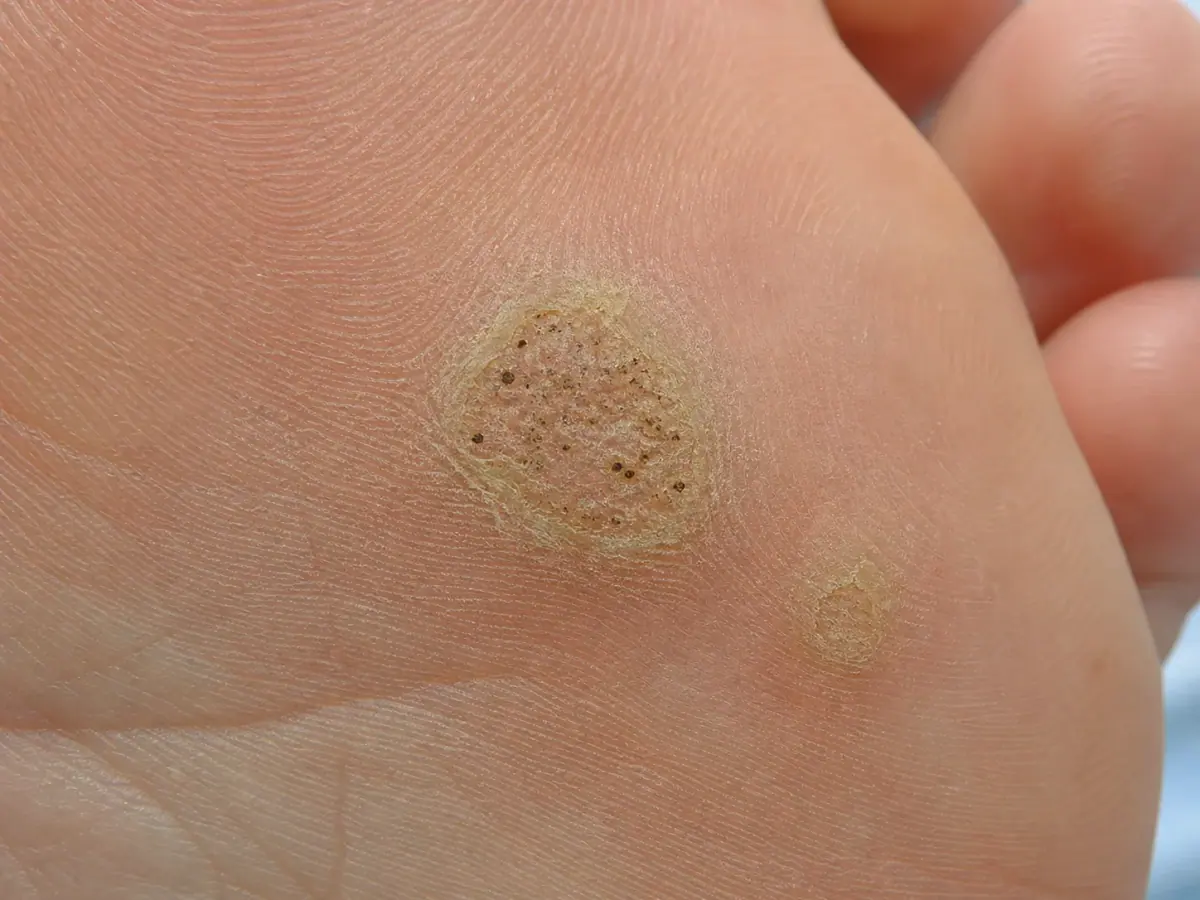
Warts on the sole can grow inward rather than outward due to body weight and may look like calluses. We compare whether the skin lines continue through the lesion and if there is pain when pinched from the side.
Actual clinical photos and educational close-up examples are materials for comparing possible patterns and cannot be used for diagnosis alone. Mechanism diagrams have simplified complex processes.If these discomforts have recurred
For those wondering if bumps on the fingers or painful keratin on the sole while walking are warts
Common warts, plantar warts, and periungual warts differ in location, depth, and friction environment. After first distinguishing them from calluses and other skin changes, if they repeatedly increase and recovery is slow, we examine the skin's damp-heat, immune response, and recovery capacity together. Byeonjeung (pattern identification).
Those who discovered rough bumps and black dots around the nails while washing hands in the morning
When new warts continue to appear around the area or on other hands and feet even after removal
Those who feel pain as if stepping on a pebble due to hard skin changes on the sole while walking
When skin changes on the sole or around the nails become painful and the affected area expands
Those who wish to distinguish bumps on the face, shaving area, or genitals before consulting Baekrokdam
When multiple lesions persist for a long time and tend to increase with fatigue
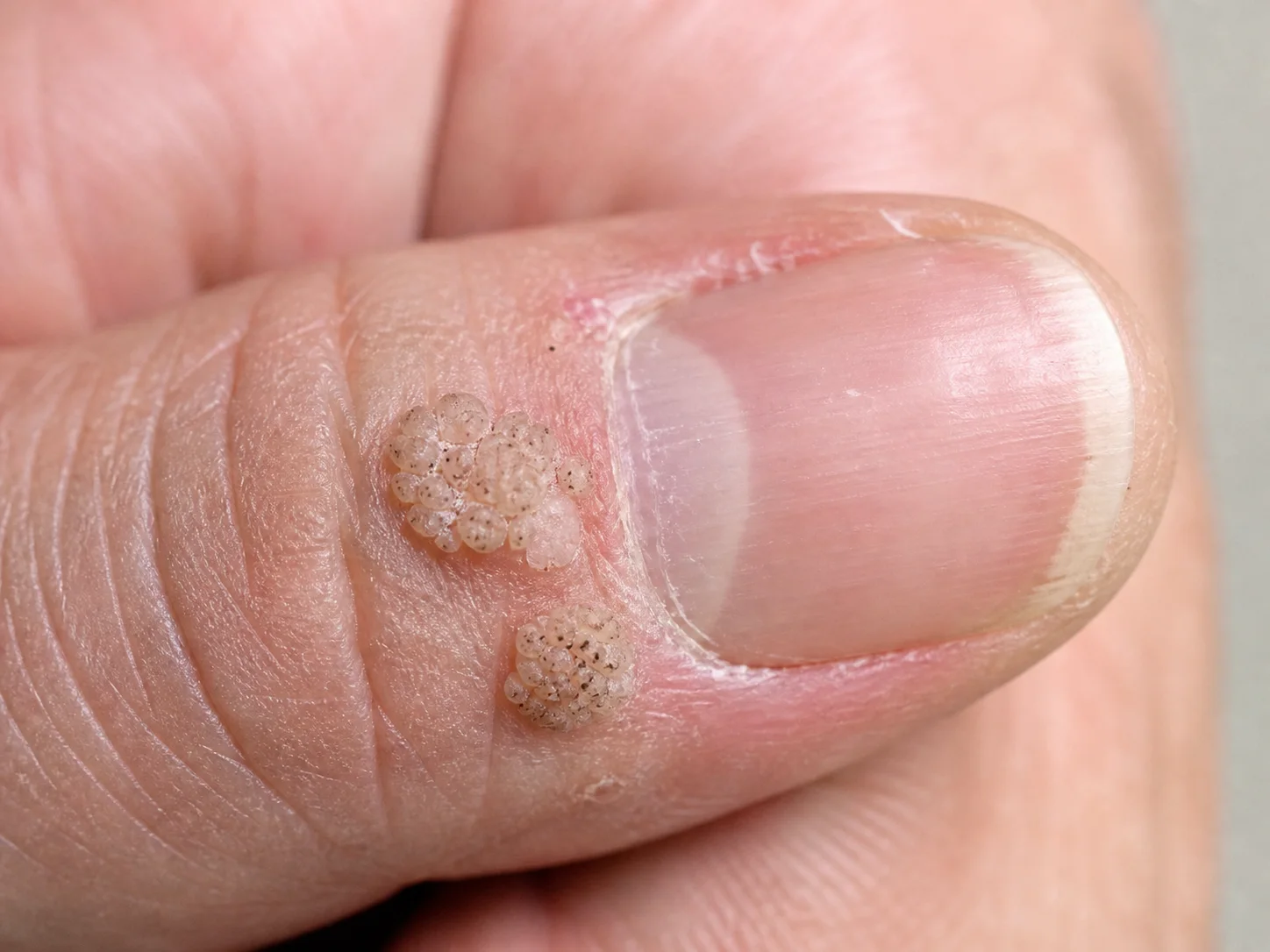
Warts around the nails are easy to pick or irritate and can affect the shape of the nail. We document the process of increasing number and spread through photographs.
Points to distinguish first
How to distinguish warts from similar-looking skin conditions
If they grow rapidly, erode, or bleed, please seek medical evaluation first
If the size, color, or borders change quickly, or if there is erosion and repeated bleeding, do not wait assuming it is a wart; please connect with a dermatology evaluation.
Indicate the location, surface, black dots, and pain
Record the location (hands, soles, face, genitals), the surface (rough, flat, filiform), black dots, and any discomfort during walking or hand use.
Consult only about remaining discomfort after dermatology evaluation
While continuing skin treatment appropriate for the diagnosis, for chronicRecurrence progress, we identify areas to add herbal medicine treatment focusing on pain, sleep, daily life discomfort, and recovery patterns.
Why does it keep getting worse?
Why warts persist or recur
Re-examine the shape and location
Management methods and the changes to monitor differ for rough protrusions on fingers, plantar warts on the soles of the feet pressed by pressure, and warts that grow under the nails.
Monitor changes in the number and speed of spreading
Rather than looking only at the size of a single large wart, record the number of new warts, the extent to which they merge, and changes after picking or friction.
Check specific skin changes alongside immune recovery
If warts spread easily and recovery is slow after removal, we determine the proportion of Korean herbal medicine treatment by checking the connection between skin recovery and sweat, humidity, fatigue, sleep, and digestion.
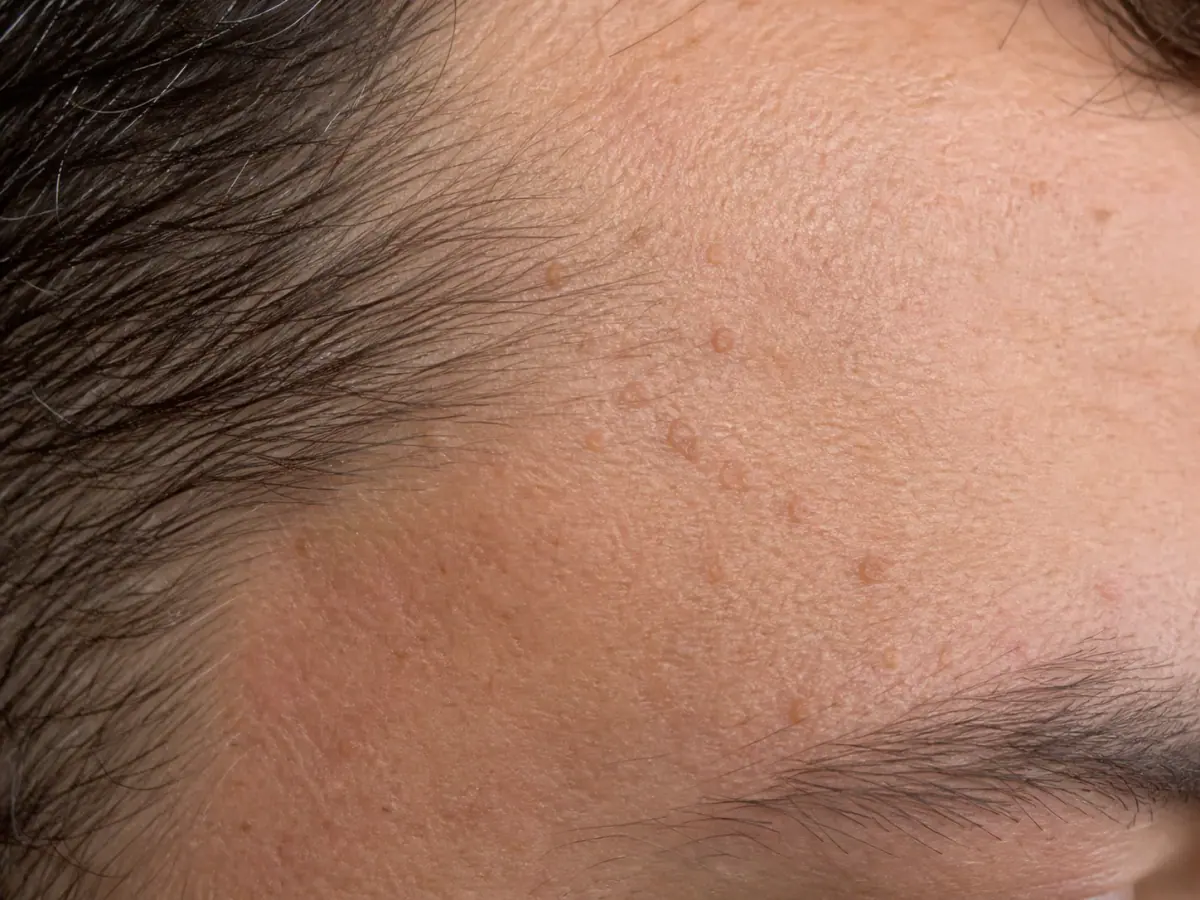
Flat warts may appear as clusters of flat papules that are skin-colored or light brown. Compare the surface height and direction of spreading with acne comedones or milia.
Things to prepare before your visit
What photos and records should I prepare before the medical evaluation?
Please prepare photos taken under the same conditions, the time of first discovery and speed of spreading, pain or bleeding, location and any self-treatment products used and the reactions to them, and results of previous dermatology evaluations.
Shapes vary from rough to smooth
Warts can be round and hard protrusions, but they can also be flat and smooth, or look like cauliflower or threads. A diagnosis is not made based on shape alone.
They may appear skin-colored or in various colors
They can appear similar to the skin color or in brown, gray, black, light yellow, white, or pink. The same skin change may look different depending on the skin tone.
Black dots that look like seeds are small blood vessels
Small black dots inside some common warts and plantar warts are blood vessels, not seeds. We do not judge all protrusions to be warts based solely on the presence of black dots.
Changes to monitor during treatment
What changes should I monitor during treatment?
The original site of appearance and the number of new warts that appeared in the last 4 weeks
Please record when it started and how it has changed, including the dates. To make it easier to compare before and after, take photos of the same area from a similar distance and under similar lighting.
Removal method, frequency, and the time it took to heal
Please leave a brief note. Compare not only the visible changes but also whether your sleep, pain, and daily life have become less uncomfortable.
Hand/foot sweat, friction, picking habits, sleep, and fatigue
Please also include the dates of any medications, ointments, or procedures you are currently using. This makes it easier to compare what led to improvement or worsening.
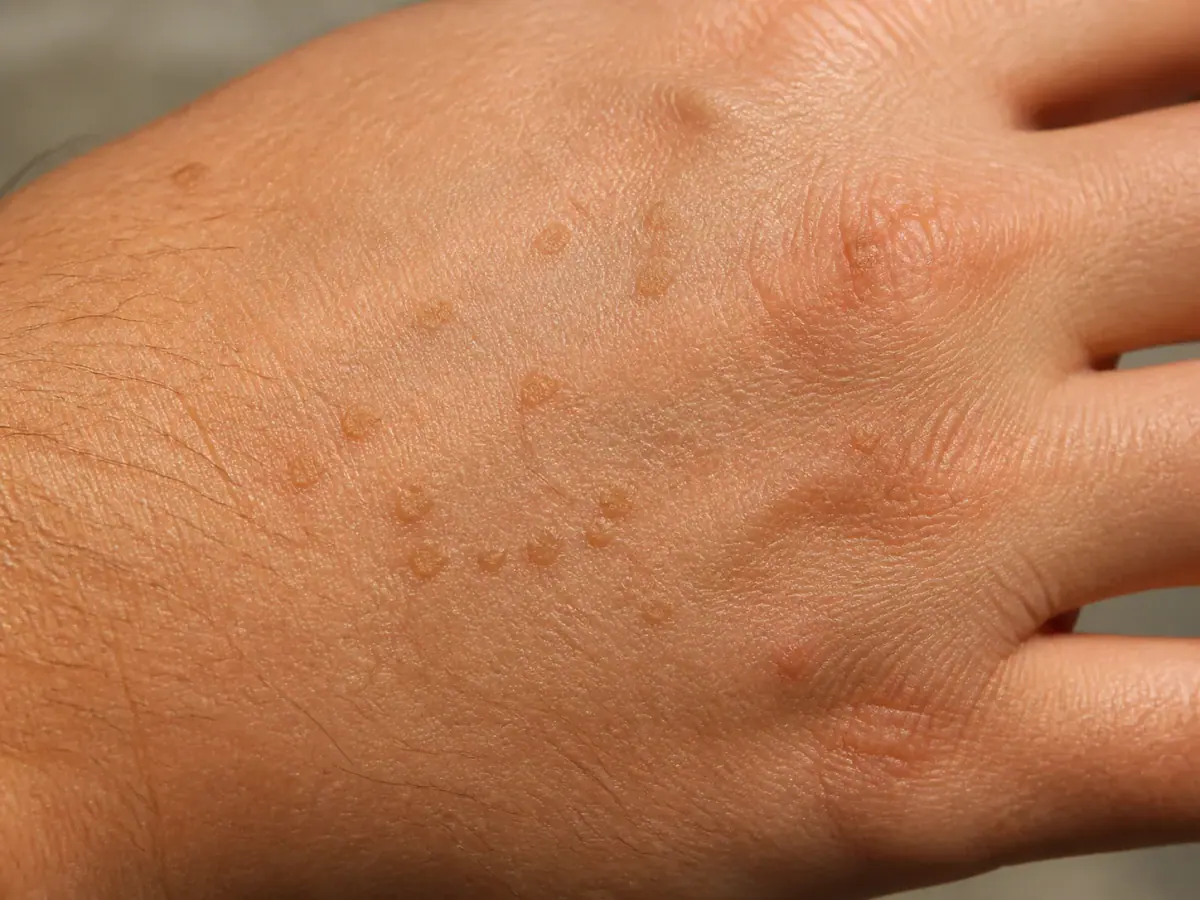
Flat warts on the back of the hand may increase along the direction of scratching. We check the date they suddenly increased along with any areas that were picked or shaved.
When planning herbal medicine treatment
Korean herbal medicine treatment direction is determined based on current prominent symptoms
Even for warts caused by viral infection, the priority of the prescription varies depending on whether they are currently spreading actively, whether there is significant moisture and keratin on the hands and feet, whether they are old, hard, and painful, or whether recovery after fatigue is slow.
Pattern identification (Byeon-jeung) in Korean medicine is not about giving a different name to a disease. Multiple patterns can overlap in one person, and as the skin changes, for example, as oozing and heat decrease and dryness or cracking remain, the prescription is adjusted accordingly.
When they are red, itchy, or suddenly increase in number
- Primary skin observations
- Check if the surrounding area is red, if small new papules appear consecutively, and if they spread in the direction of scratching.
- Overall body condition to check alongside skin
- Check if the increase coincides with heat sensations in the upper body following heat exposure, lack of sleep, or acute fatigue.
- Primary considerations for herbal medicine prescription
- Apply heat-clearing and wind-expelling treatments to reduce active inflammation and hypersensitivity while minimizing skin damage.
When hands and feet are clammy and warts appear in clusters
- Primary skin observations
- Examine the amount of sweat on the palms and soles, increased keratinization, and the extent of pressed warts.
- Overall body condition to check alongside skin
- Ask if symptoms worsen in humid environments and if they are accompanied by sweaty hands and feet, a feeling of heaviness in the body, or bloating.
- Primary considerations for herbal medicine prescription
- Focus on regulating damp-heat in the skin and digestive burden, while simultaneously reducing friction and exposure to humid environments.
When old warts are hard and painful when pressed
- Primary skin observations
- Examine thick keratin, black dots, the area where warts have merged, and pain upon pressure.
- Overall body condition to check alongside skin
- Check for peripheral coldness, decreased circulation, and the duration the warts have remained fixed in the same location.
- Primary considerations for herbal medicine prescription
- Increase the proportion of blood-activating and softening-hardness treatments to aid circulation and recovery around old, hard warts.
When removal sites heal slowly and new warts continue to appear
- Primary skin observations
- Check if small wounds and scabs persist and if the skin is thin or dry.
- Overall body condition to check alongside skin
- Ask if the number increased following chronic fatigue, loss of appetite, lack of sleep, or frequent infections.
- Primary considerations for herbal medicine prescription
- Rather than excessive stimulation, reinforce the recovery of Qi, blood, and immunity to monitor both the rate of new wart formation and wound healing.
How is the herbal medicine prescription adjusted?
- First, check the shape and location of the protrusions
Distinguish between common warts, plantar warts, periungual warts, calluses, and corn.
- Identify the dominant factor among spreading, moisture, fixation, or recovery
Set separate treatment goals for warts that are currently increasing and those that are old and have become hard.
- Adjust the prescription based on the number of new protrusions and the time taken for them to heal
Using photos taken every 4 weeks, monitor changes in the number, range, and pain, as well as the recovery of the removal sites.
When should I consider Korean herbal medicine treatment?
- When new warts continue to appear around the treated area or on other hands and feet after removal
- When warts on the soles of the feet or around the nails become painful and expand in area
- When multiple warts persist for a long time and tend to increase as you feel more fatigued
What will be asked during the medical evaluation?
- The number of warts at the original site and those that have newly appeared in the last 4 weeks
- Removal method, frequency, and the time it took to heal
- Hand/foot perspiration, friction, picking habits, sleep, and fatigue
Things to prepare before the consultationPlease prepare photos taken under the same conditions, the time of first discovery and the speed of spreading, pain or bleeding, location, self-treatment products used and the reactions to them, and results of previous skin treatments.
If pus, pain, or redness spreads rapidly, or if you have a fever, lesions inside the eyes or mouth, shortness of breath, or sudden facial swelling, please visit a dermatology clinic or seek emergency care first. After confirming that such urgent situations are not present, Baekrokdam provides herbal medicine treatment for chronic and recurring skin diseases.
Consult about wart progressFrequently Asked Questions
Frequently Asked Questions about Warts
What are the black dots in warts?
Small blood vessels inside some warts can look like black dots. These are not seeds or roots, and a diagnosis of warts is not made based on a black dot alone.
Why do warts on the soles of the feet hurt when walking?
Due to weight pressure, skin changes are pushed inward and thick keratin forms, which can feel like stepping on a needle or a pebble. Please seek medical evaluation if walking pain is significant.
Can I apply wart medication to flat bumps on the face?
Do not use general self-treatment products on the face. Flat warts must first be distinguished from other skin changes, and a safe method should be discussed during a skin medical evaluation.
Is it okay if a wart bleeds?
Bleeding may occur from scratching or shaving, but if bleeding recurs spontaneously, the shape changes, or it looks like an open wound, stop self-treatment and seek medical evaluation.
What causes warts?
They are caused by an infection of the Human Papillomavirus (HPV) in the skin.
Are warts contagious to other people?
They can spread through close skin contact or contaminated surfaces and are easily transmitted through wet or damaged skin.
Do warts spread if I pick at them?
Since the virus can move to surrounding wounds or other areas, do not scratch or pick at them.
References and update date
Doctor of Korean Medicine Choi Yeon-seung verified the content based on the official and professional materials below and updated it on 2026-08-23.
- American Academy of Dermatology, Warts: Signs and symptomsEvidence of wart shape, color, black vascular dots, and types (common, plantar, flat, filiform, genital), as well as symptoms of pain, itching, and bleeding
- NHS, Warts and verrucasHard and rough bumps, black dots and pain in plantar warts, and medical evaluation criteria for recurrence, bleeding, shape changes, face, or genitals
- American Academy of Dermatology, Warts: Diagnosis and treatmentDiagnostic boundaries for identifying other skin conditions in cases of rapid growth, open wounds, or skin changes unresponsive to treatment
- MedlinePlus, WartsCauses of HPV infection and differentiation between common, plantar, flat, and genital warts
- American Academy of Dermatology, Warts: CausesHPV as the cause of skin warts, infection through microscopic skin damage, and spread via shaving, scratching, or contact